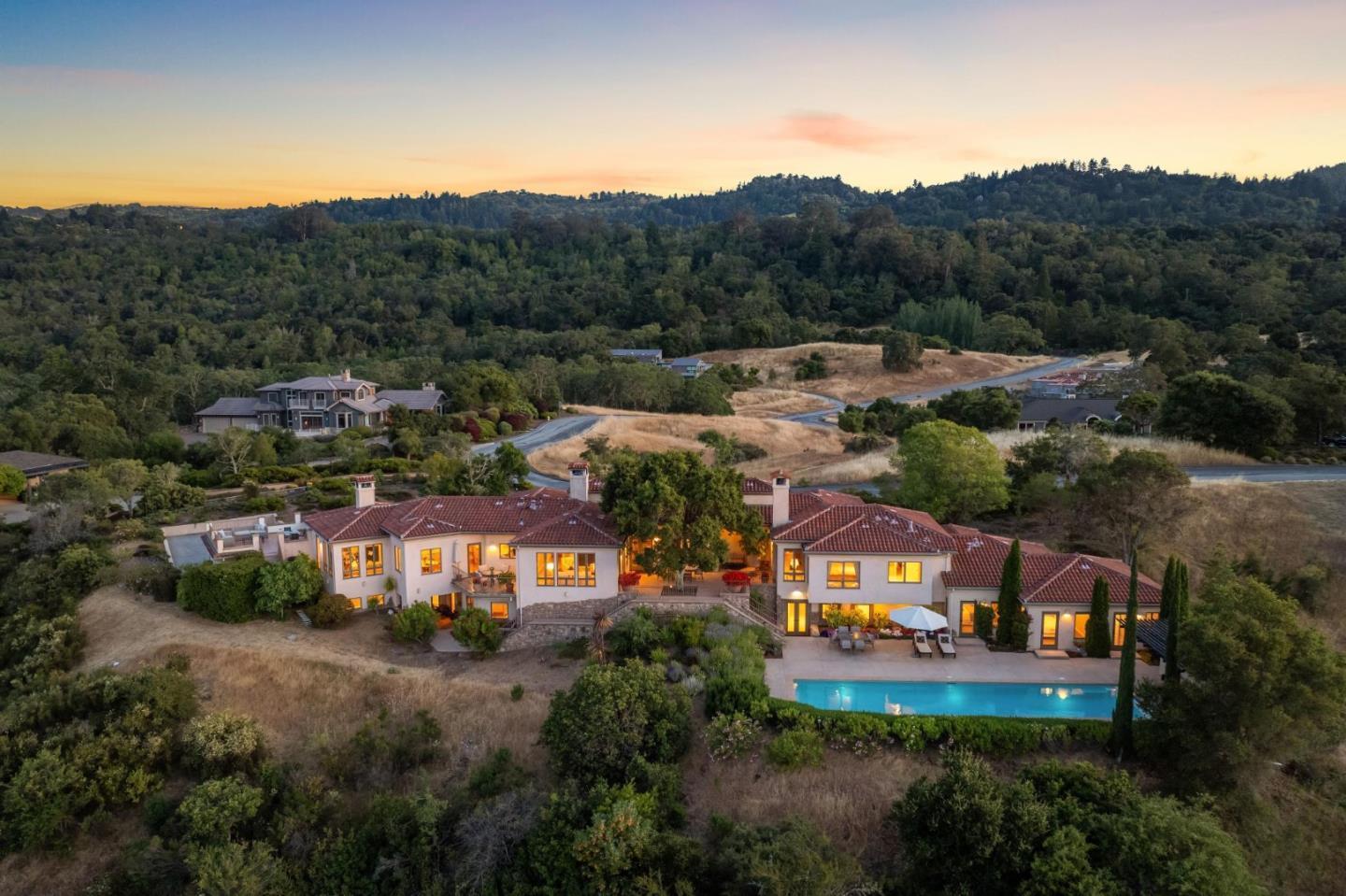
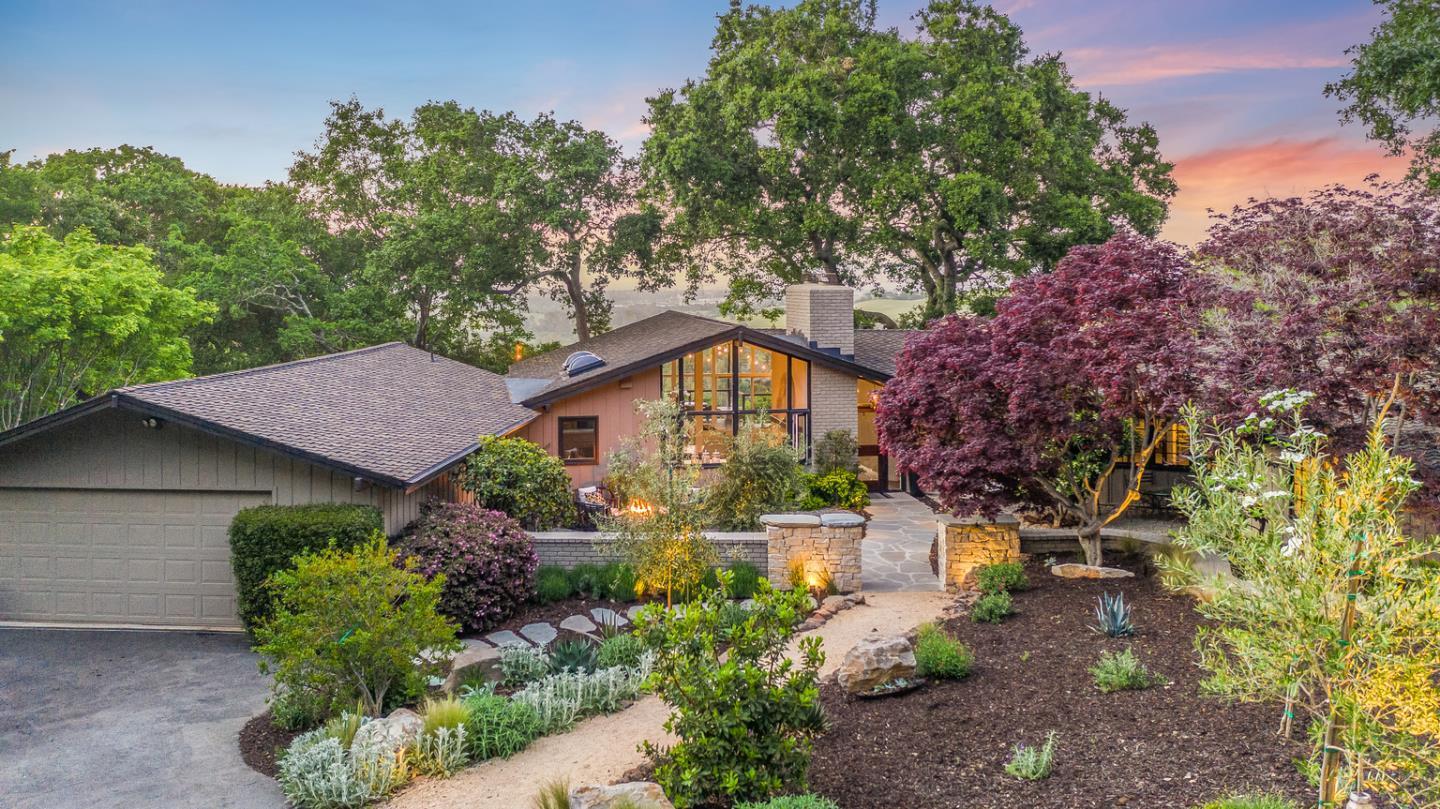
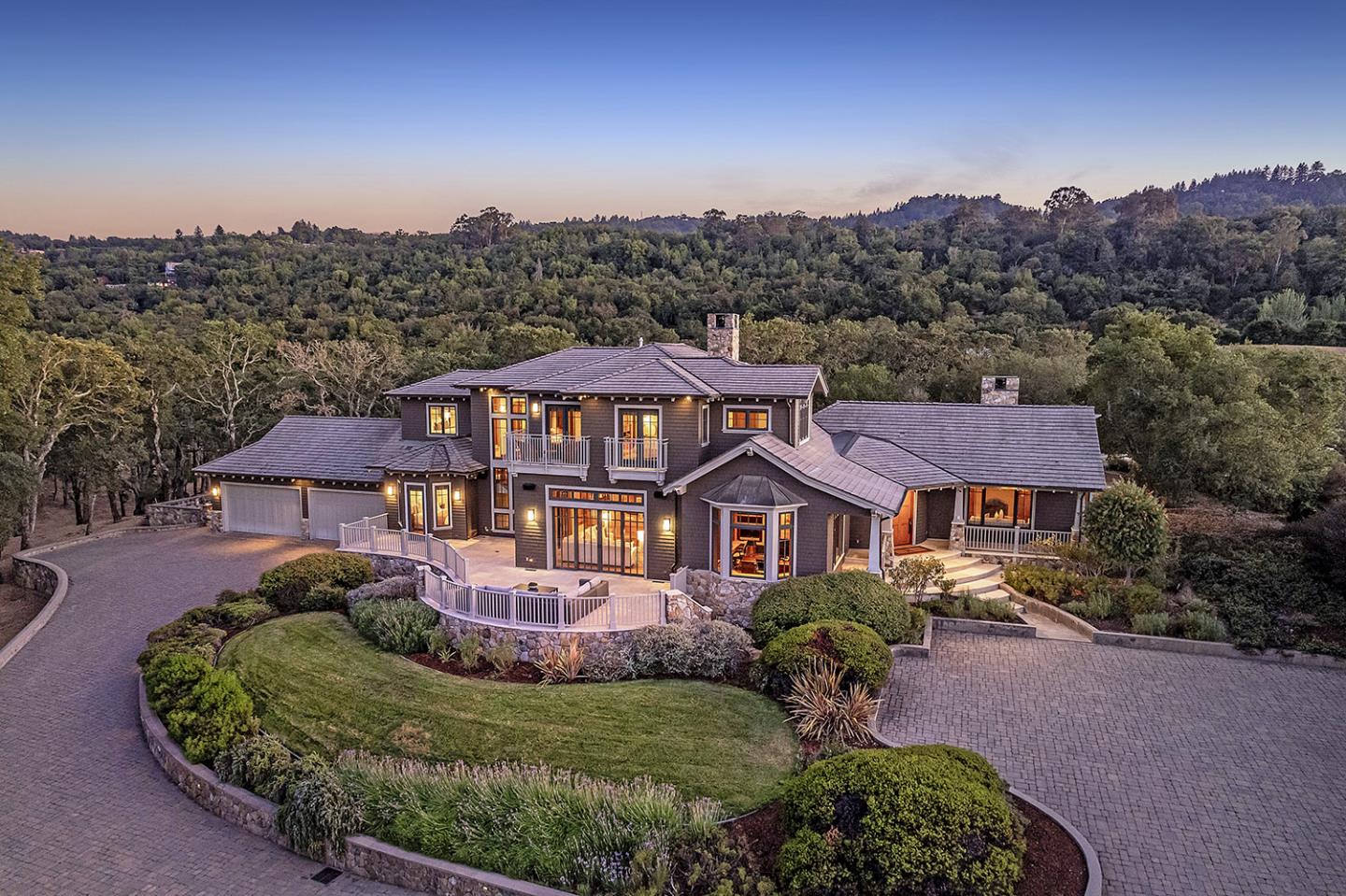
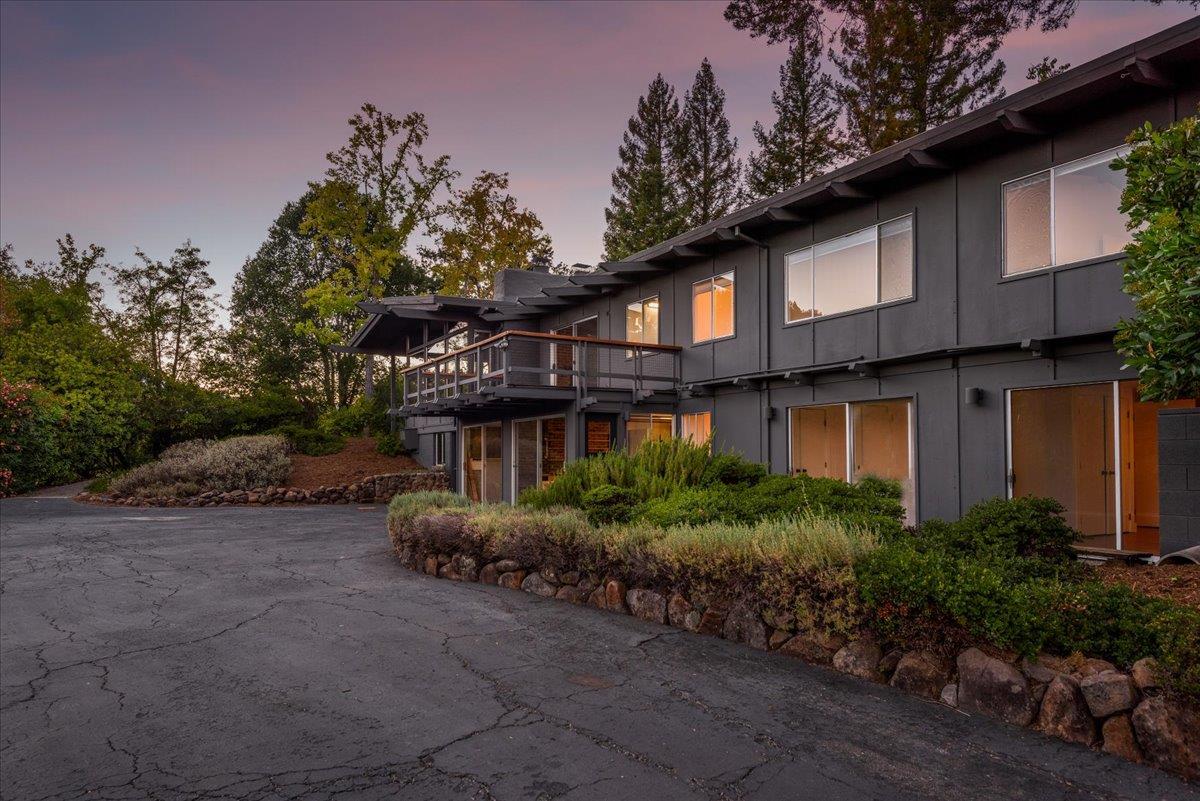
Explore Homes for Sale in Portola Valley, CA
Hailed as the wealthiest town in America based on per capita income and boasting stunning properties.
Hailed as the wealthiest town in America based on per capita income and boasting stunning properties.
6,645 people live in Portola Valley, where the median age is 56.4 and the average individual income is $176,069. Data provided by the U.S. Census Bureau.
Total Population
Median Age
Population Density Population Density This is the number of people per square mile in a neighborhood.
Average individual Income
Portola Valley is one of Northern California's most exclusive residential enclaves, offering an extraordinary blend of rural tranquility and proximity to Silicon Valley's innovation hub. Nestled on the eastern slopes of the Santa Cruz Mountains, this incorporated town of approximately 4,500 residents consistently ranks among the wealthiest communities in the United States.
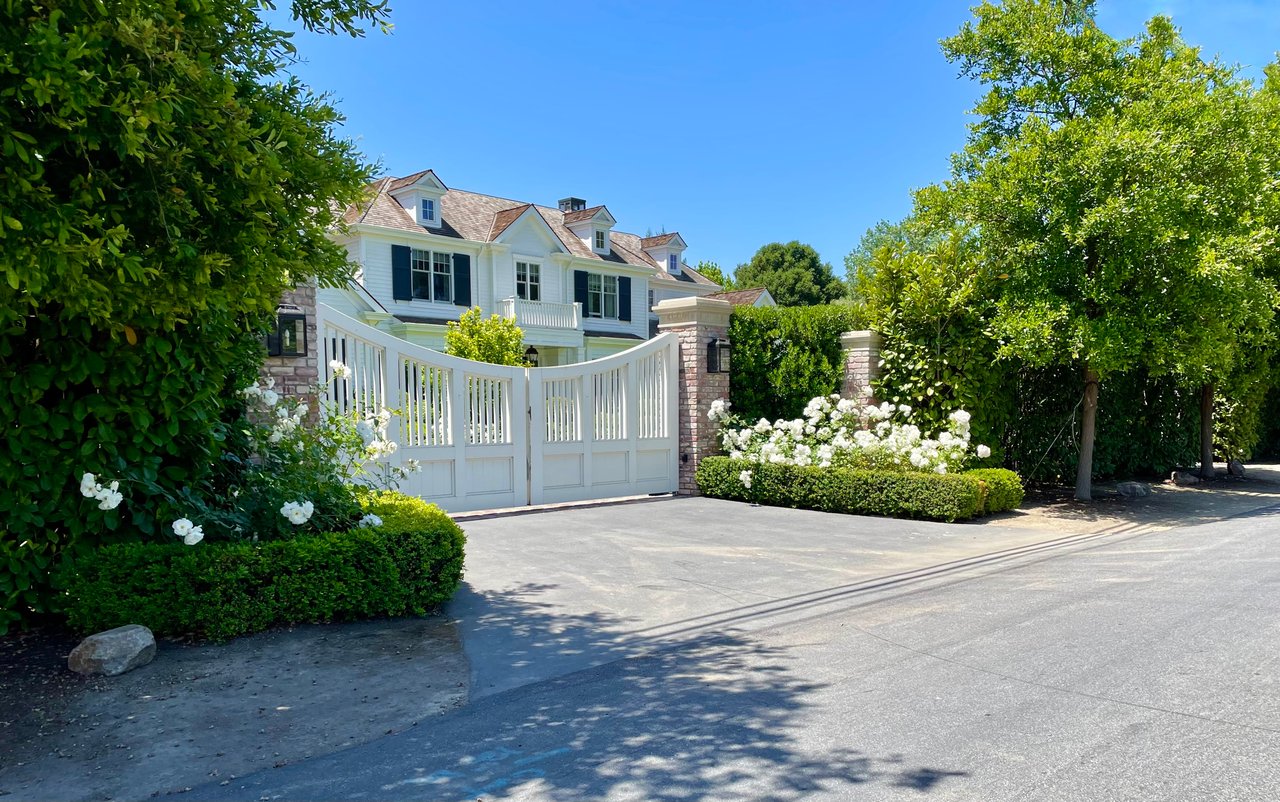
The town's character is defined by its commitment to environmental preservation, low-density development, and pastoral beauty. Residents enjoy expansive properties set among majestic oak woodlands, with many homes offering panoramic views of the San Francisco Bay. The community attracts tech executives, venture capitalists, academics, and entrepreneurs who value privacy, natural surroundings, and an active outdoor lifestyle.
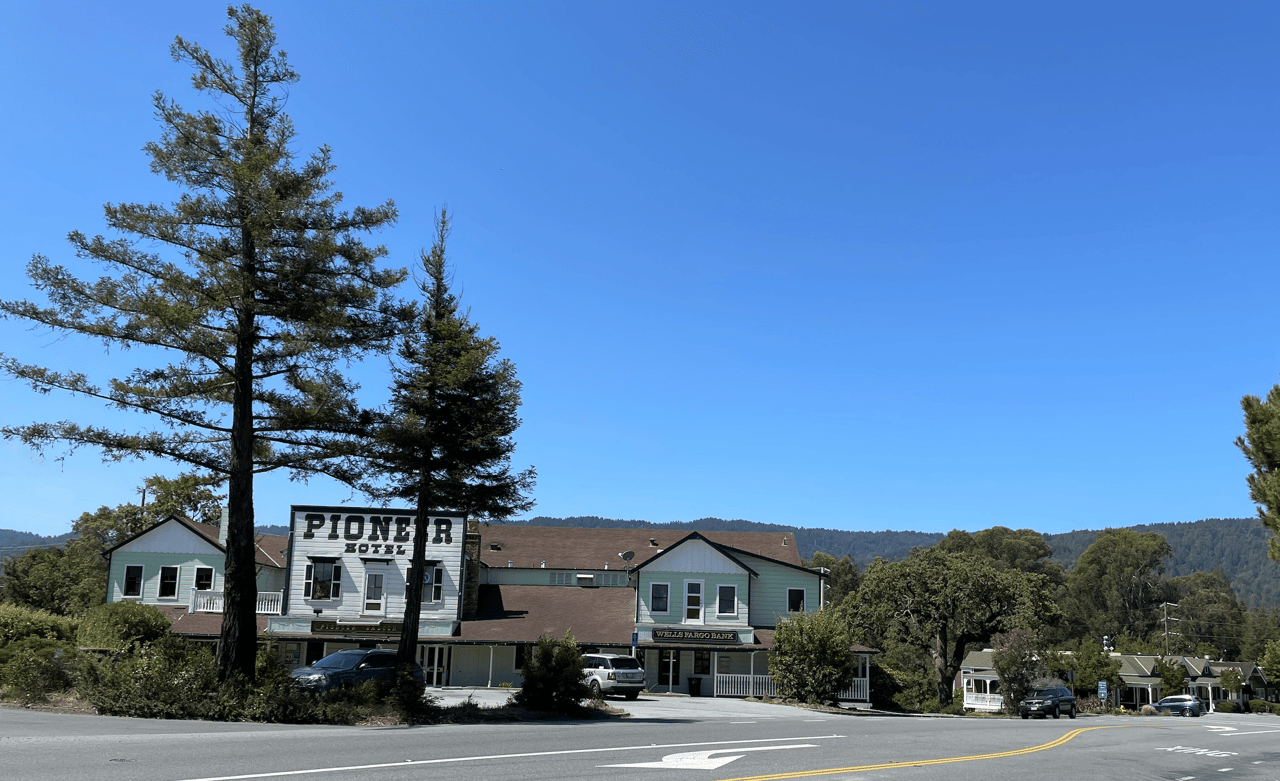
Unlike neighboring communities, Portola Valley has no commercial downtown, emphasizing its purely residential focus. The town maintains a volunteer-driven government and an engaged community that rallies around conservation, education, and sustainable living.
Portola Valley takes its name from Spanish explorer Gaspar de Portolá, who led the first European expedition through the San Francisco Peninsula in 1769. The area's written history dates to 1833 when Governor José Figueroa granted land to form the Rancho Cañada del Corte de Madera, used primarily for lumbering and cattle grazing.
By the 1880s, the redwood forests had been largely harvested, and the area evolved into a landscape of small farms and large country estates. Families from San Francisco built summer retreats here to escape the coastal fog. Andrew Hallidie, inventor of San Francisco's cable cars, established his Eagle Home Farm estate and even constructed an aerial tramway to Skyline in 1894.
Residential development accelerated after World War II. By the early 1960s, concerned residents mobilized to protect the area from unchecked suburban sprawl. In 1964, Portola Valley incorporated as a town with a clear mission: preserve natural beauty, maintain low-density housing, and keep governance lean through volunteer participation. The town instituted single-family zoning and minimum lot sizes, establishing the character that defines it today.
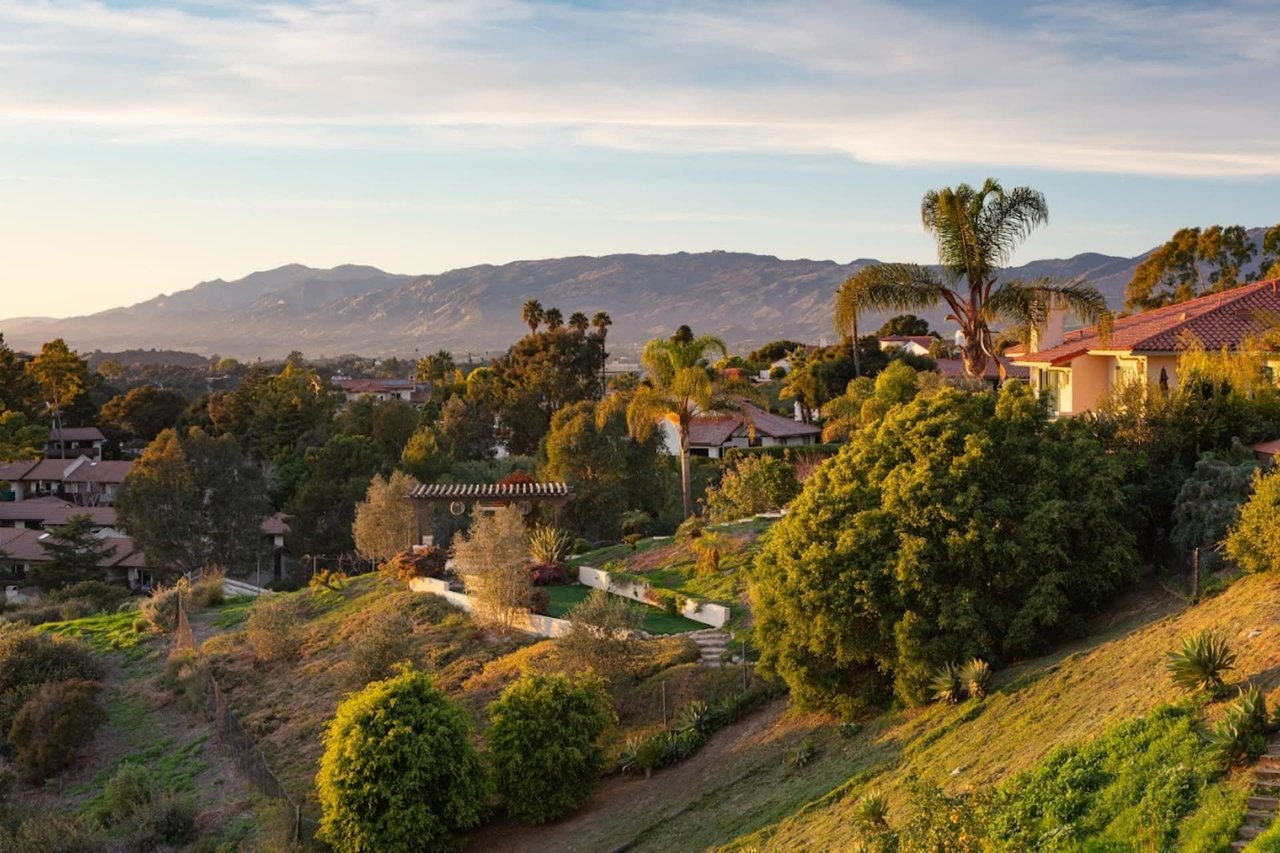
Portola Valley encompasses approximately 9 square miles in San Mateo County on the San Francisco Peninsula. The town sits west of Interstate 280, with its southwestern boundary running along Skyline Boulevard at the ridge of the Santa Cruz Mountains. Woodside borders to the northwest, while Palo Alto lies to the southeast.
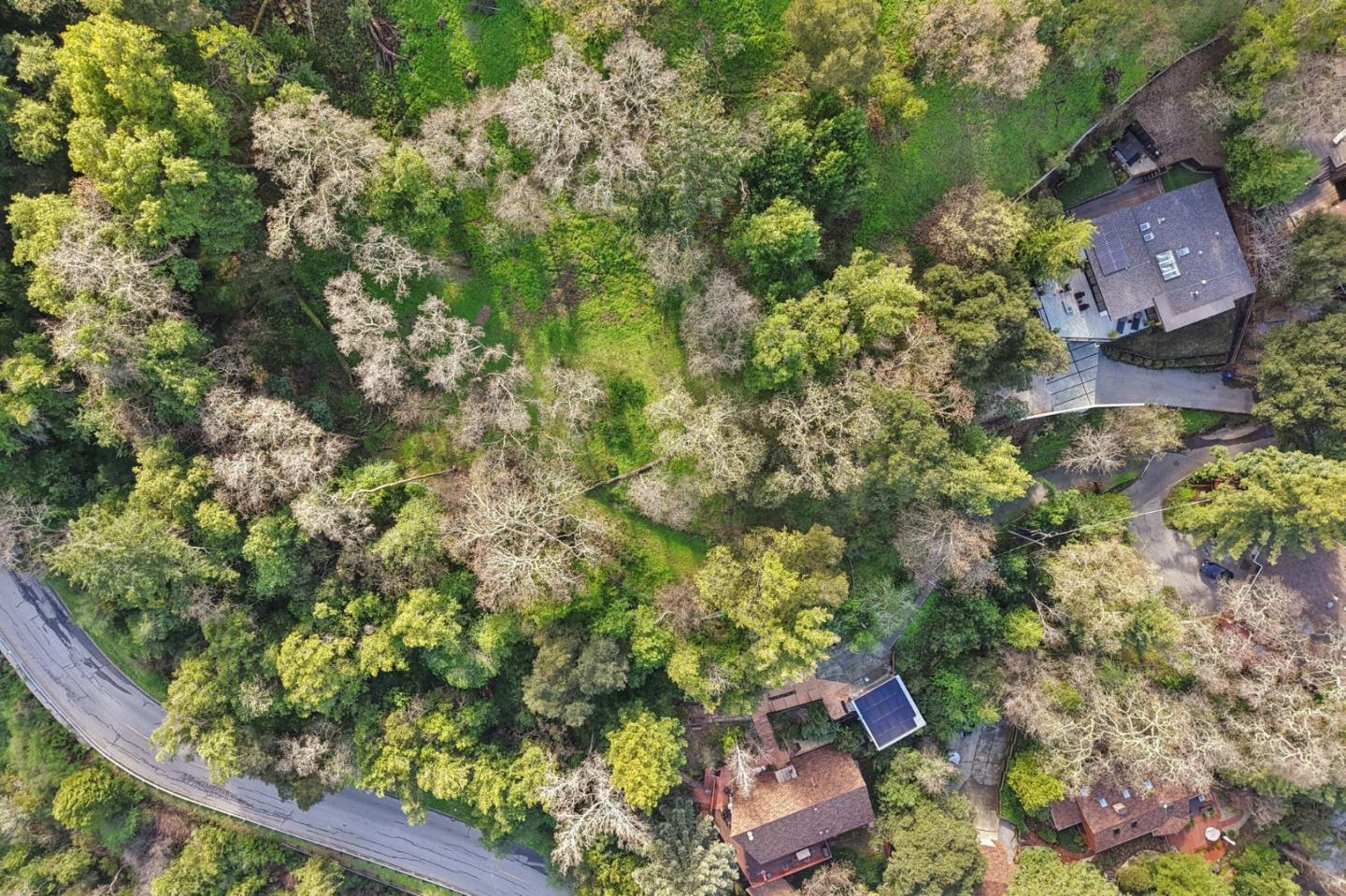
The terrain is predominantly wooded hillsides interspersed with open meadows, creeks, and valleys. Elevations range from approximately 400 feet near Alpine Road to over 1,900 feet at Windy Hill's summit. The San Andreas Fault bisects the town, a geological reality that has influenced building codes and land-use policies.
The climate is Mediterranean with mild, wet winters and warm, dry summers. Morning fog often blankets the lower elevations before burning off to reveal clear skies. The town dedicates over 1,900 acres to permanent open space, including portions of Windy Hill Open Space Preserve and proximity to Jasper Ridge Biological Preserve, a Stanford University research site.
Portola Valley represents the pinnacle of Peninsula luxury real estate. Median home prices typically exceed $5 million, with premium estates in neighborhoods like Westridge and Blue Oaks commanding $8 million to $15 million or more. Price per square foot generally ranges from $1,200 to $2,000, depending on location, views, and amenities.
Inventory remains perpetually limited due to the town's small size and minimal new construction. Only 25 to 40 homes typically change hands annually, creating a market where desirable properties often sell at or above asking price. Average days on market fluctuates seasonally but well-priced homes in prime locations can sell within two to four weeks.
Long-term appreciation has been strong, though the market's small sample size creates volatility in year-over-year statistics. Buyers should expect competition for quality listings, while sellers benefit from a deep pool of qualified buyers drawn to the area's schools, privacy, and lifestyle.
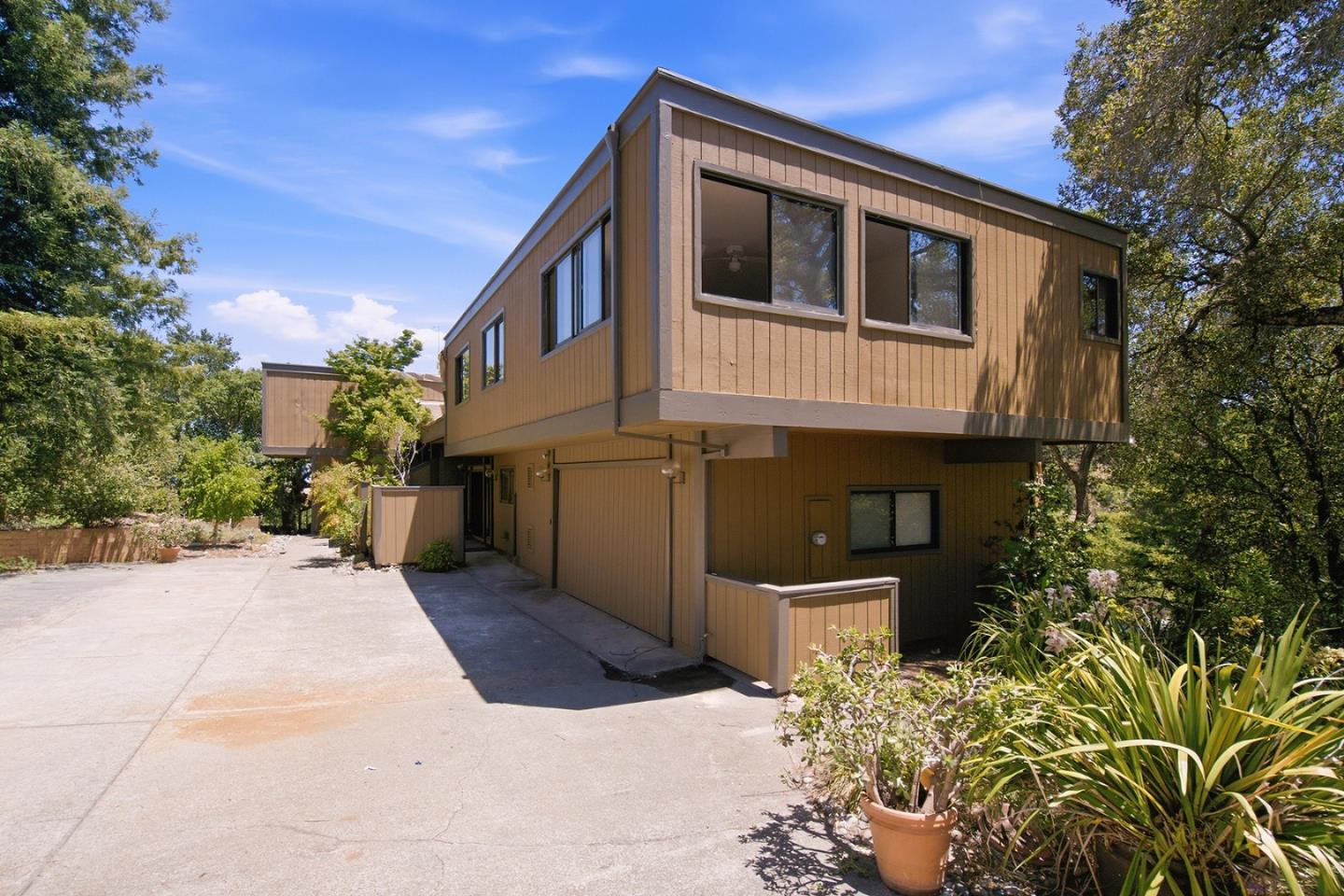
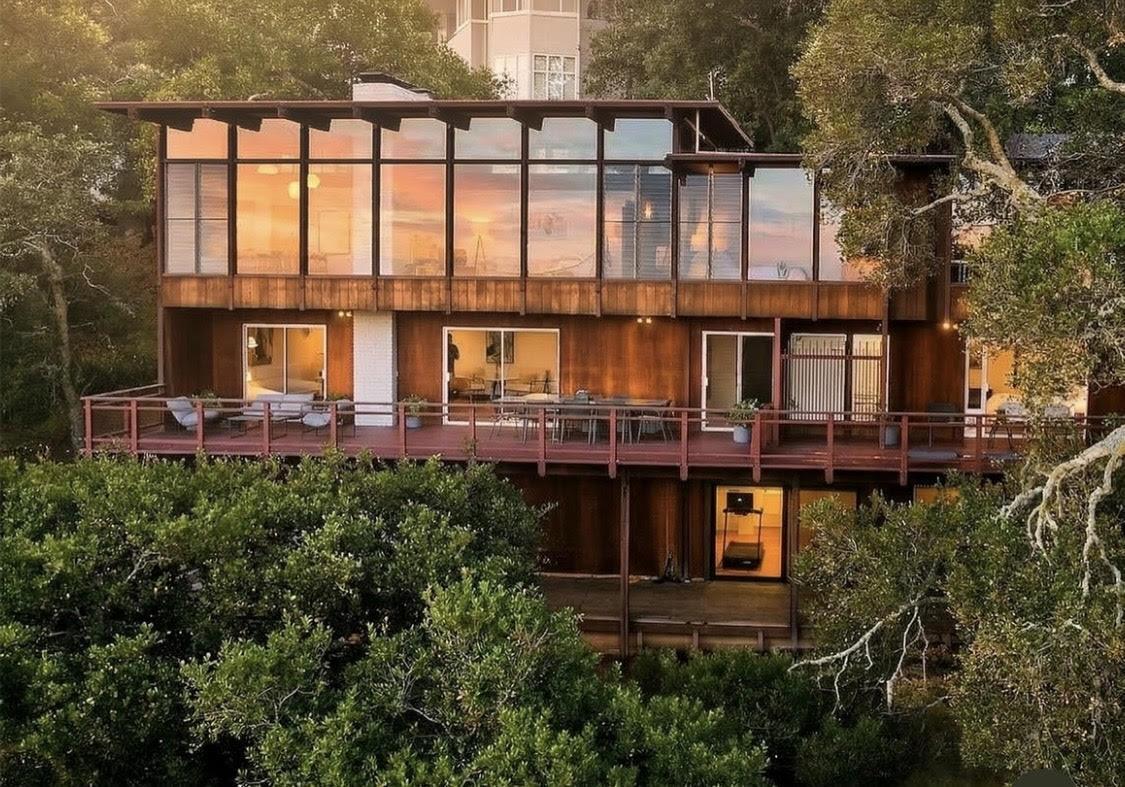
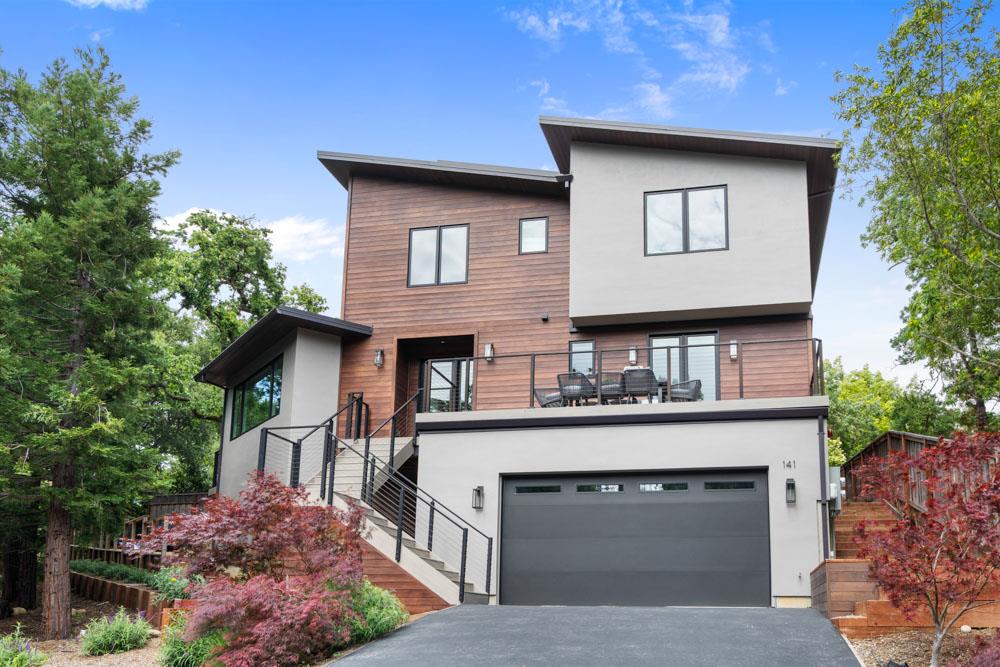
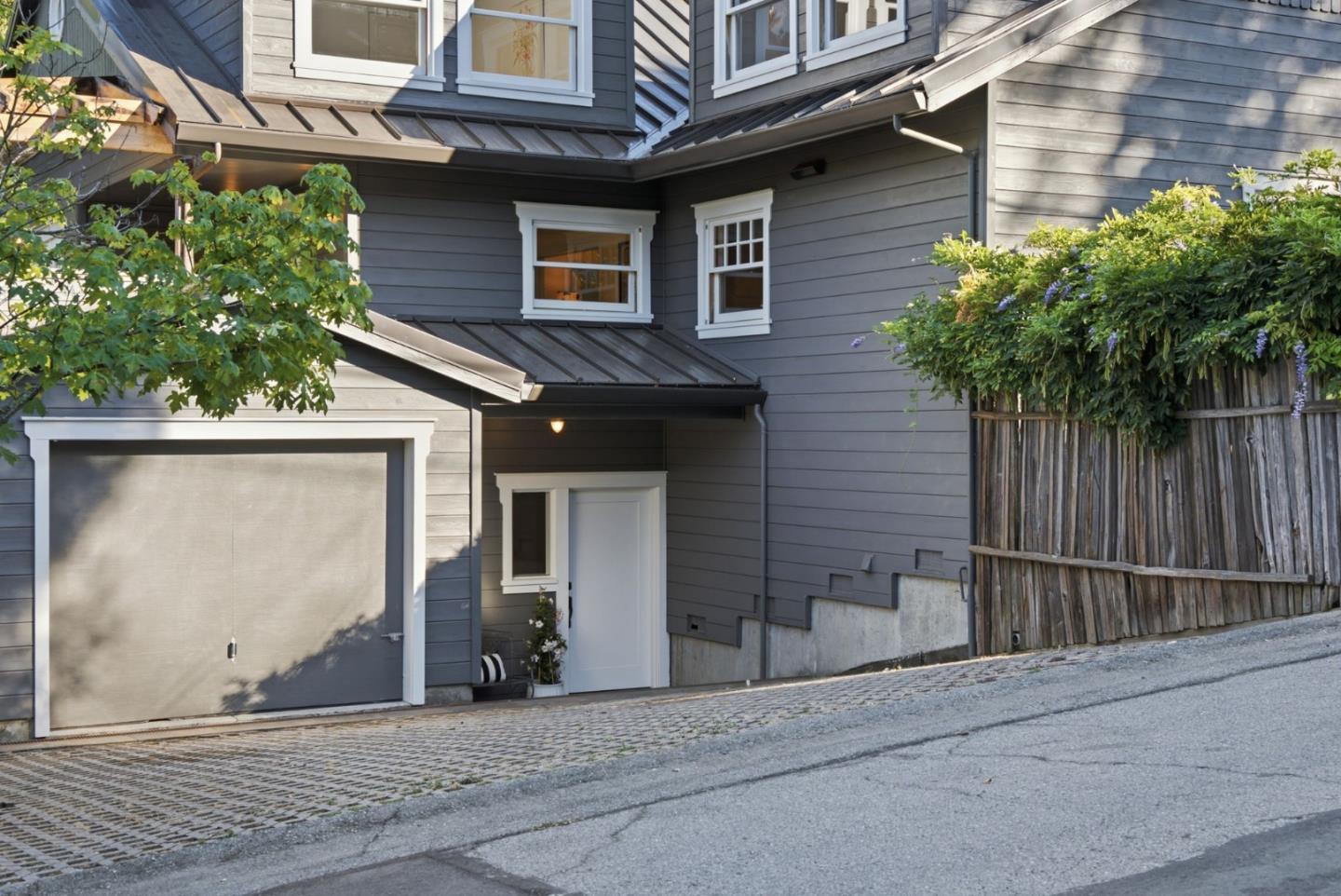
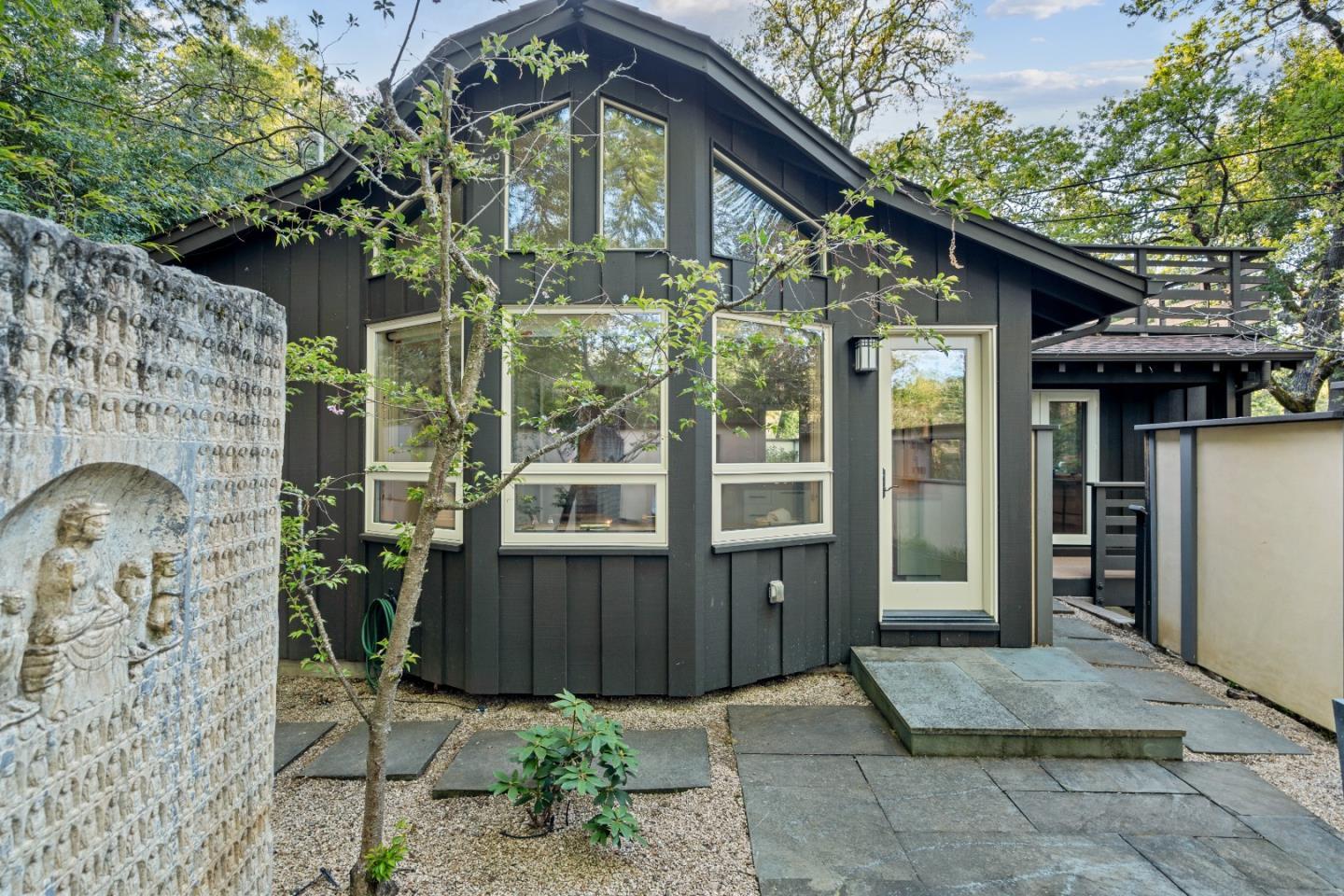
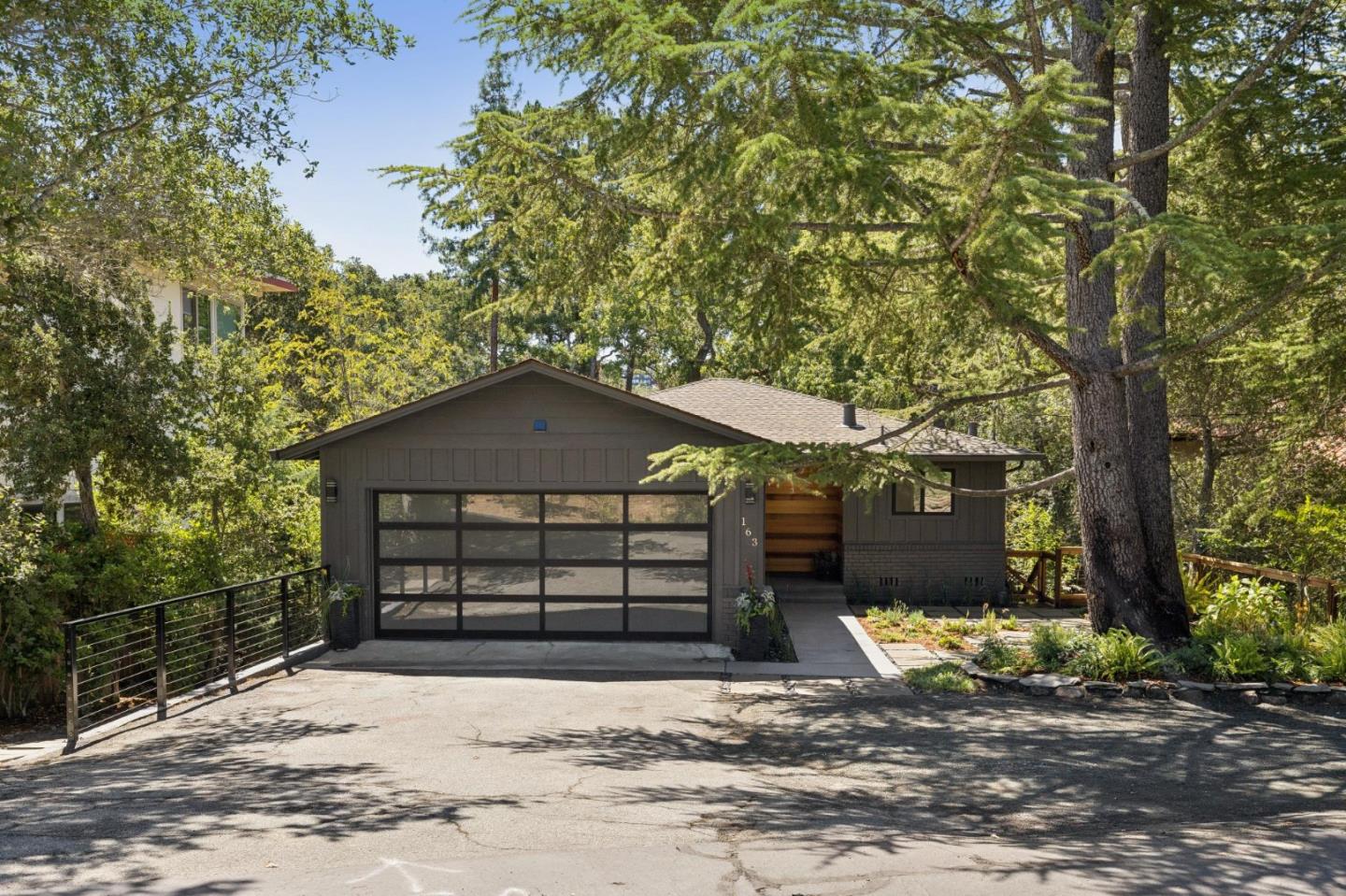
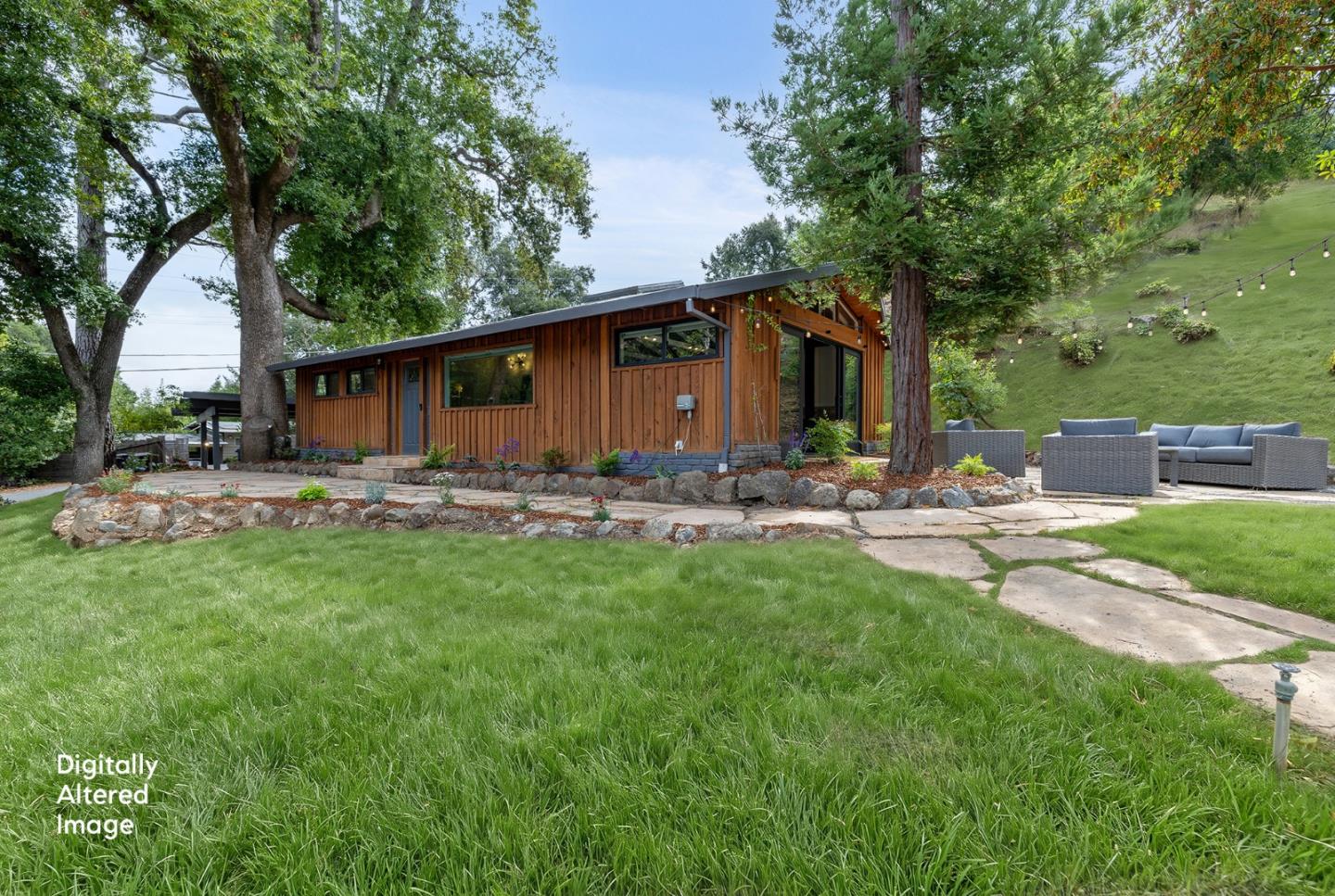
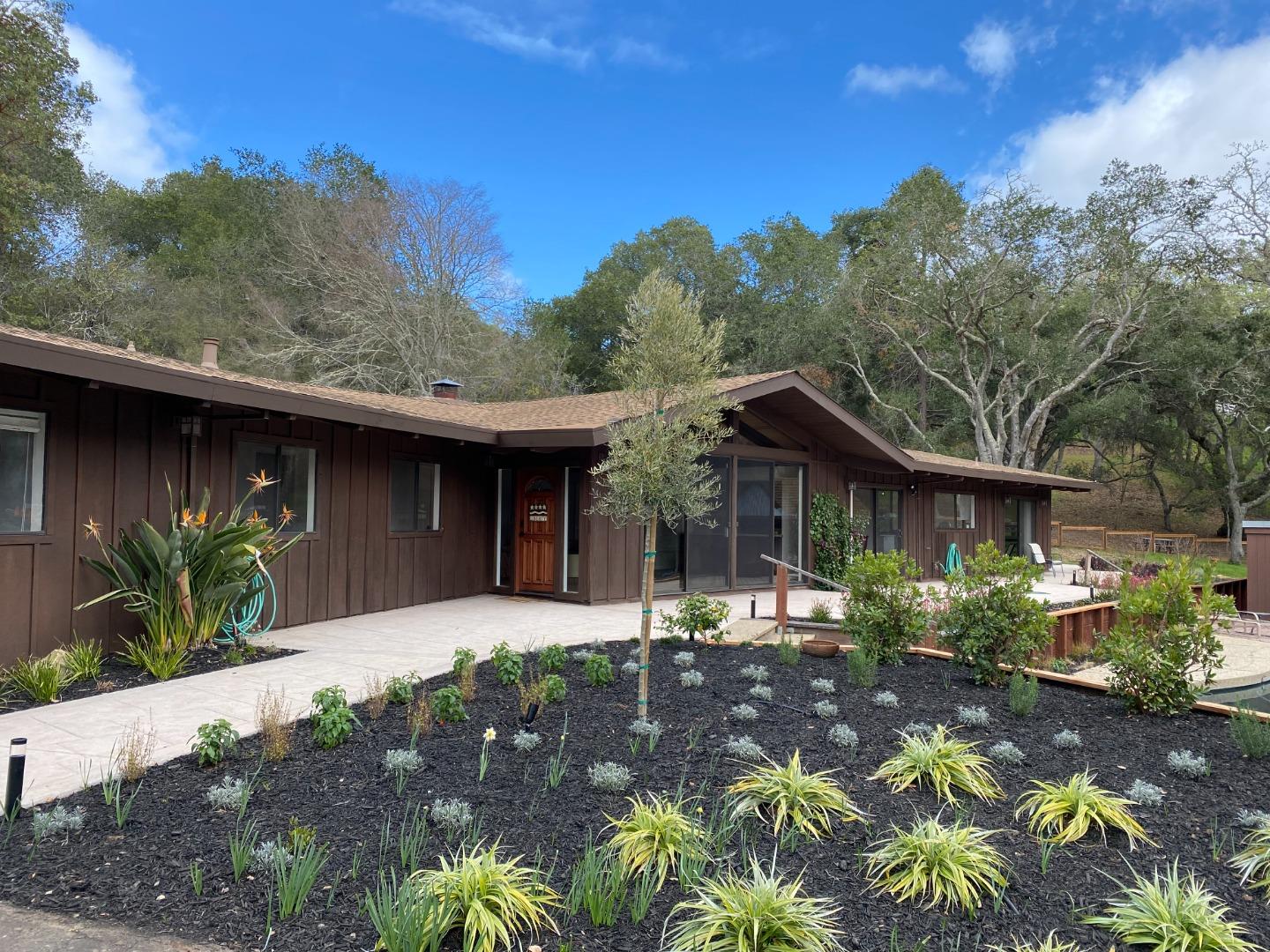
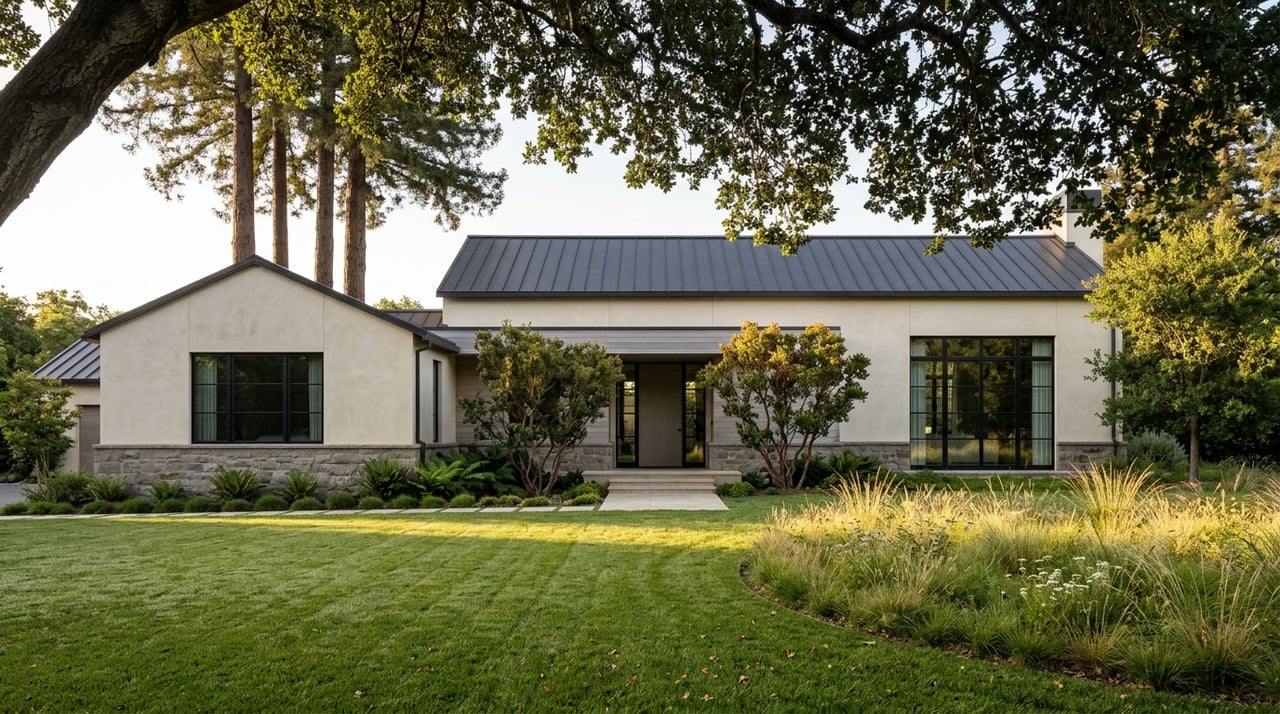
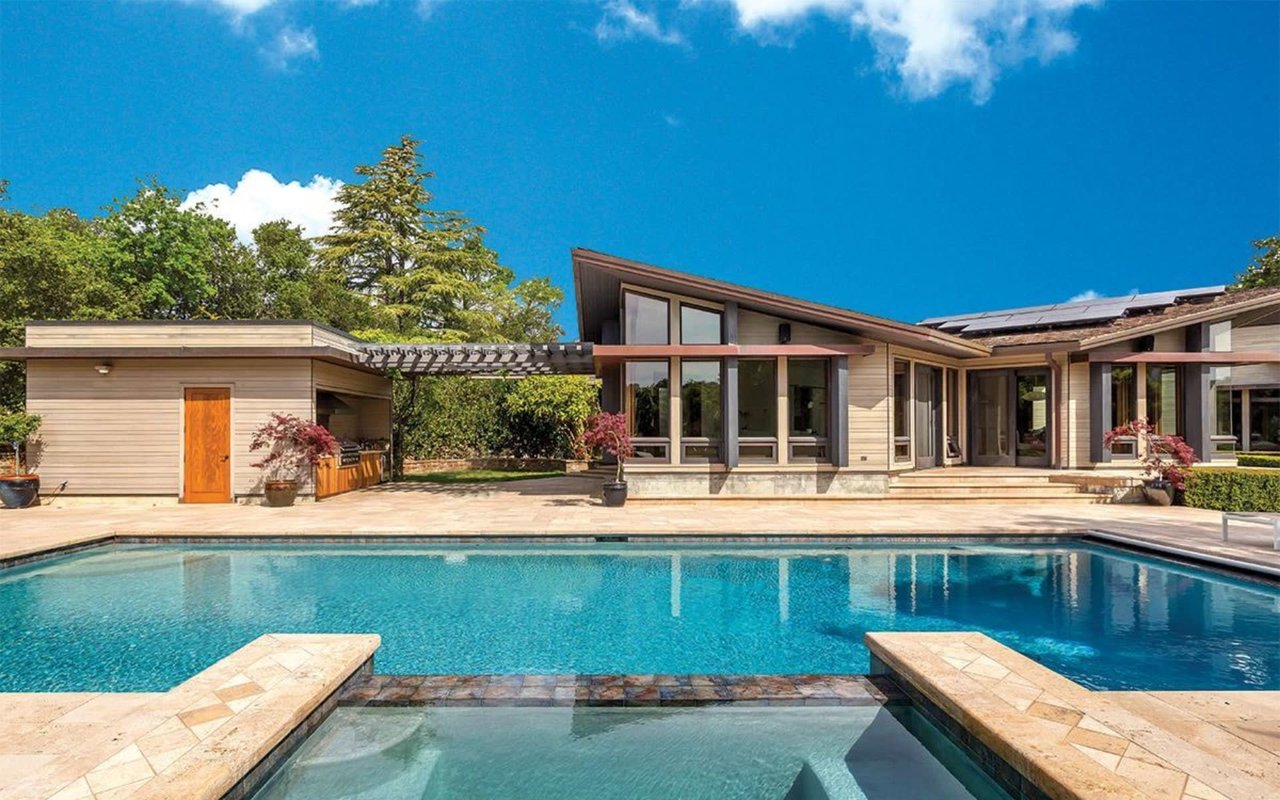
The housing stock consists almost exclusively of single-family residences on large lots, typically ranging from one to five acres or more. Architectural styles vary widely, reflecting decades of custom construction. California ranch homes from the 1950s and 1960s remain common, often updated with modern amenities while retaining their single-level, indoor-outdoor flow.
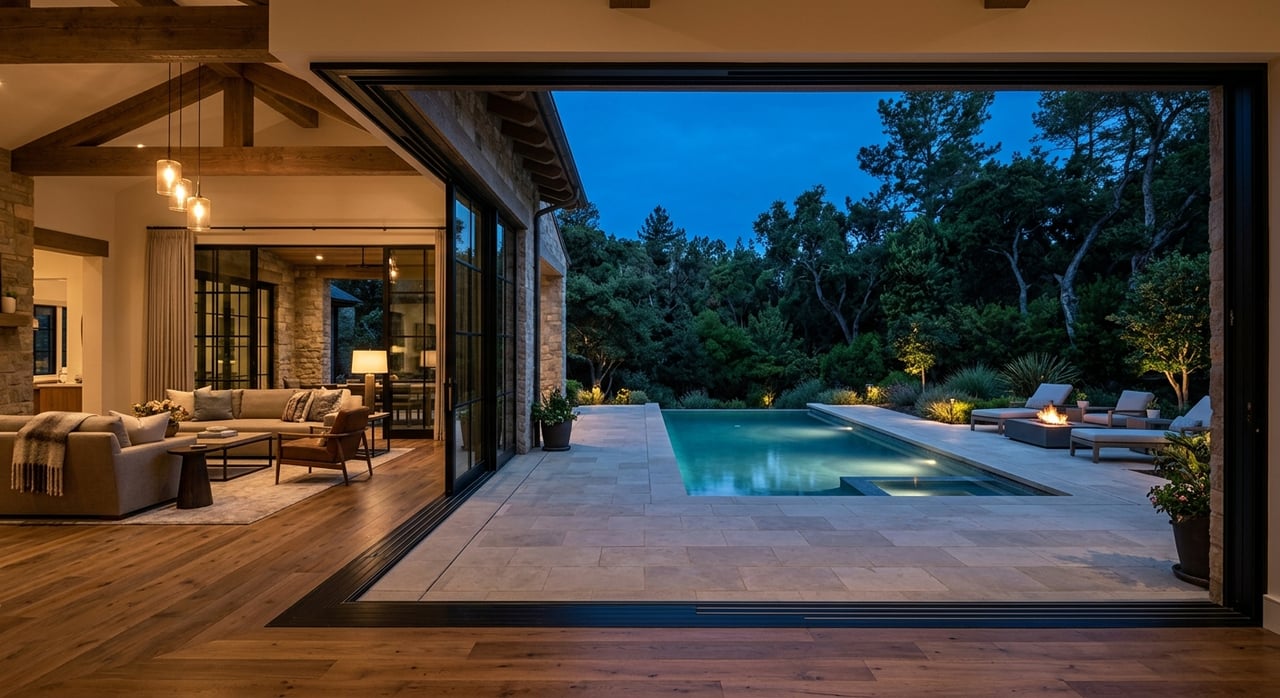
Contemporary designs featuring walls of glass, vaulted ceilings, and sustainable materials have proliferated in recent decades. Craftsman-style estates with refined woodwork and traditional proportions appeal to buyers seeking timeless elegance. Mediterranean and Tuscan villas appear on larger parcels, often incorporating vineyards, courtyards, and resort-style amenities.
Multi-family housing is extremely rare due to zoning restrictions established at incorporation. Portola Valley Ranch offers a planned community format with newer construction and a private community center. Condominiums and apartments are essentially nonexistent within town boundaries; buyers seeking such housing typically look to neighboring Menlo Park or Palo Alto.
Wildfire Risk: 100% of Portola Valley properties carry some wildfire risk. Buyers should budget for defensible space maintenance, fire-resistant landscaping, and potentially elevated insurance premiums. Many insurers have reduced coverage in the area, making California's FAIR Plan a necessary fallback.
Septic Systems: Most properties rely on private septic systems rather than municipal sewer. Inspections and capacity assessments are essential during due diligence, particularly for buyers planning additions or ADU construction.
Well Water: Some properties use private wells. Water quality testing and flow rate verification should be standard contingencies.
HOA Considerations: Neighborhoods like Westridge, Portola Valley Ranch, and Blue Oaks have homeowners associations with varying fees, architectural review requirements, and amenities.
School Boundaries: While most of Portola Valley feeds into the Portola Valley School District, boundary edges should be verified. Some adjacent unincorporated areas may have different assignments.
Geological Hazards: Proximity to the San Andreas Fault and hillside locations require careful review of geological reports. Earthquake insurance is a prudent consideration.
Seasonality: The spring market, particularly March through May, historically generates the strongest buyer activity. Fall offers a secondary window. Holiday periods and deep winter months typically see reduced showings.
Pricing Strategy: Given limited comparable sales, pricing requires deep market knowledge. Overpricing leads to extended days on market and eventual reductions; strategic pricing generates competition and often achieves above-ask results.
Buyer Demographics: Tech executives, venture capitalists, Stanford-affiliated professionals, and relocating families from other high-cost markets comprise the primary buyer pool. Many seek turnkey properties, though some appreciate renovation opportunities.
High-Impact Improvements: Kitchen and primary bath renovations yield strong returns. Outdoor living spaces—pools, outdoor kitchens, fire features—resonate with buyers. ADU additions appeal to multigenerational families. Defensible space and fire-hardening improvements increasingly factor into buyer decisions.
Professional Presentation: At this price point, professional staging, photography, videography, and marketing materials are essential. First impressions matter enormously.
Portola Valley's dining scene is intimate rather than extensive, reflecting the community's residential character. The standout is The Alpine Inn (historically known as Zott's), California's second-oldest continuously operating tavern, established in 1852. This legendary beer garden serves classic American fare and craft beers in a rustic outdoor setting—and notably, the first message on ARPANET, the precursor to the internet, was sent from here in 1969.
Parkside Grille offers refined California cuisine in a redwood-shaded setting, ideal for intimate dinners or special occasions. Roberts Market provides gourmet groceries, artisan sandwiches, and prepared foods that rival fine dining. The Ladera Shopping Center, just north of town, features Bianchini's Market with exceptional produce and a deli, plus additional dining options.
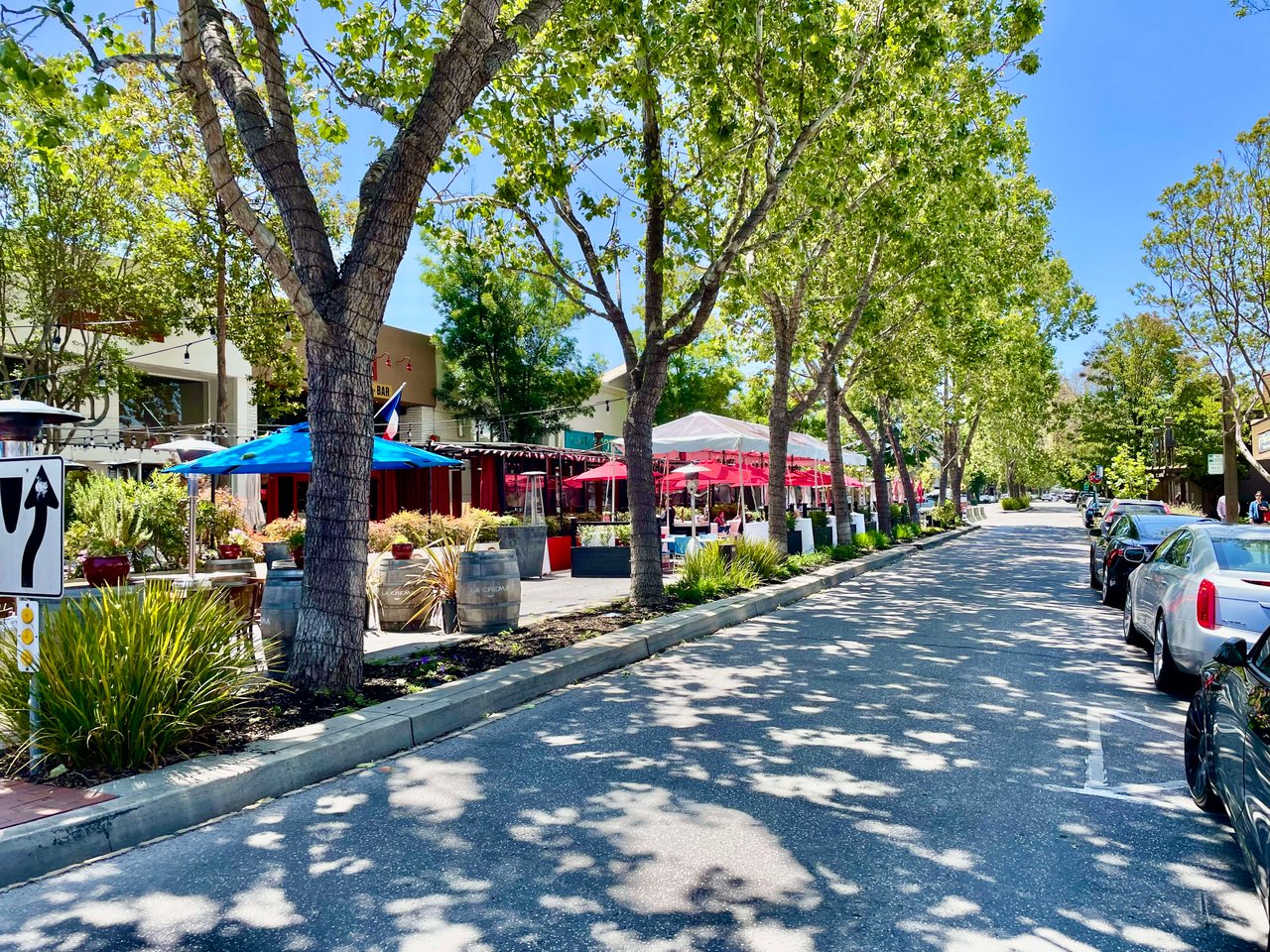
For broader entertainment, residents venture to Palo Alto's University Avenue, Menlo Park's downtown, or Woodside's restaurant row. Alice's Restaurant at the junction of Highways 84 and 35 serves as a beloved gathering spot for cyclists and motorists exploring Skyline Boulevard. Thomas Fogarty Winery, technically in Woodside, offers tastings with stunning vineyard views.
Outdoor recreation defines the Portola Valley lifestyle. Windy Hill Open Space Preserve encompasses 1,335 acres of grasslands, oak woodlands, and fir forests with over 12 miles of trails for hiking, running, mountain biking, and horseback riding. On clear days, the summit offers 360-degree views spanning the San Francisco Bay to the Pacific Ocean.
The town maintains an extensive network of trails connecting neighborhoods to open spaces. Coal Mine Ridge offers scenic loops popular with trail runners. Thornewood Open Space Preserve provides quieter hiking through oak woodlands. Jasper Ridge Biological Preserve, managed by Stanford, offers occasional docent-led tours through protected research lands.
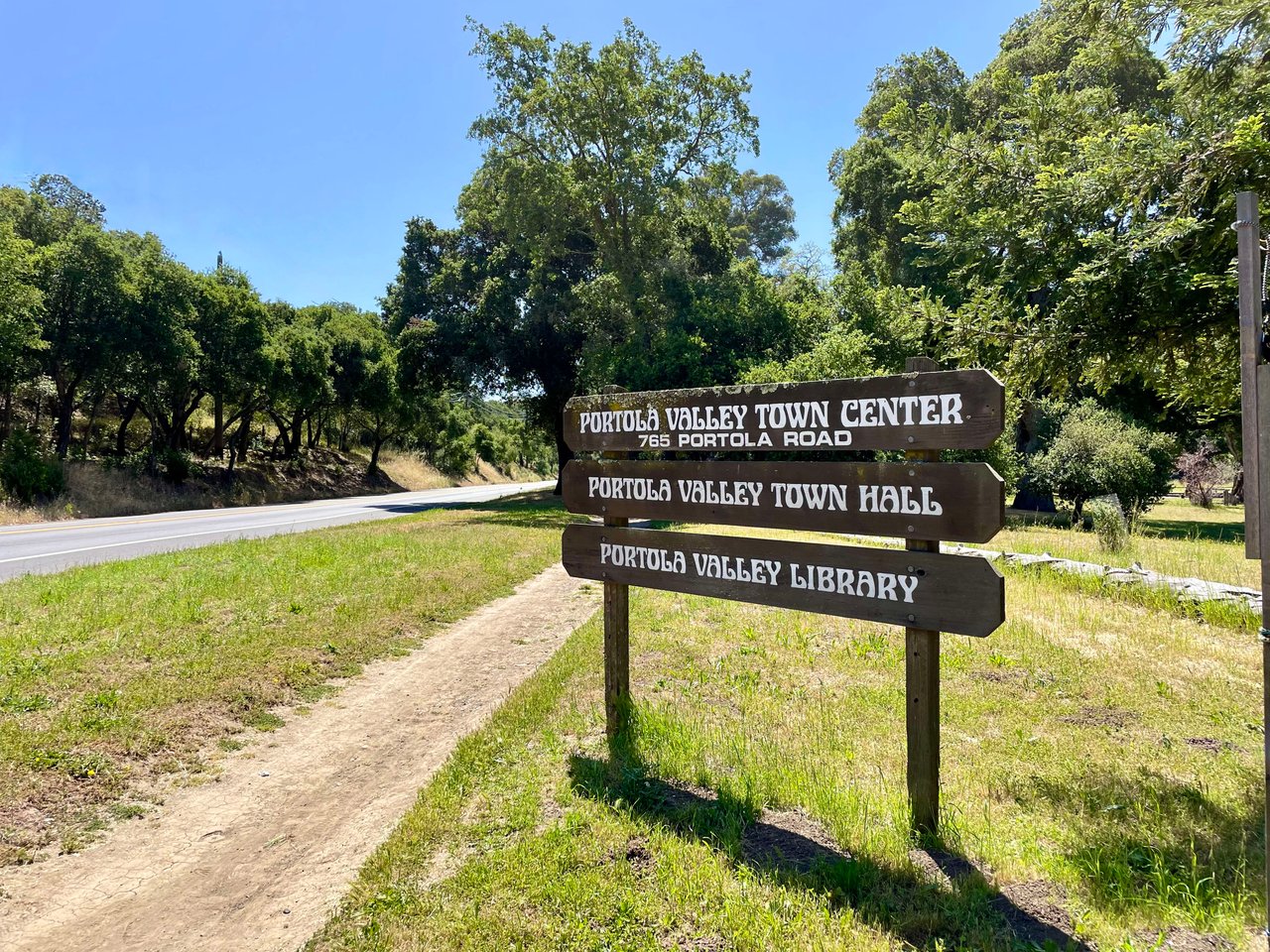
Equestrian culture thrives here, with Spring Down Equestrian Center and numerous private stables serving horse enthusiasts. The Alpine Hills Tennis & Swimming Club provides members with courts, a pool, fitness facilities, and social programming. The Portola Valley Town Center includes playing fields, a playground, picnic areas beneath redwoods, and the community library.
Cycling is particularly popular, with challenging routes along Alpine Road and Skyline Boulevard attracting serious road cyclists. The scenic beauty and varied terrain make virtually any outdoor pursuit accessible.
The Portola Valley School District operates two exceptional public schools consistently ranked among California's finest. Ormondale School serves grades TK/K through 3, while Corte Madera School serves grades 4 through 8. Both schools achieve proficiency rates exceeding 80% in math and reading, placing them in the top 1% statewide. Class sizes are small, parent involvement is exceptional, and the district invests heavily in arts, science, and enrichment programming.
Corte Madera earned National Blue Ribbon School recognition in 2008 and California Distinguished School honors in 2011. The district consistently ranks in the top 25 of approximately 1,900 California school districts.
For high school, most students attend Woodside High School, part of the Sequoia Union High School District. Woodside High offers strong academics, extensive AP coursework, and robust athletics, serving a diverse student body from multiple communities.
Private school options abound. Woodside Priory School, located within Portola Valley, is an independent Benedictine Catholic college-preparatory school serving grades 6-12 with both day and boarding programs. Nearby options include Menlo School and Sacred Heart Schools in Atherton, all highly regarded. Stanford University's proximity enriches the intellectual culture and provides resources for advanced students.
Portola Valley enjoys a strategic location with relatively convenient access to Peninsula employment centers. Interstate 280 lies minutes east, providing a direct route north to San Francisco (approximately 36 miles, 45-55 minutes depending on traffic) and south to San Jose (approximately 23 miles, 25-35 minutes).
Sand Hill Road provides direct access to the venture capital corridor and Stanford University. Major tech campuses in Palo Alto, Menlo Park, and Mountain View are typically 15-25 minutes away. Facebook (Meta) headquarters, Google, and Apple are all within reasonable commuting distance.
Public transit options are limited within Portola Valley itself, though Caltrain stations in Menlo Park and Palo Alto (approximately 10-15 minutes by car) provide commuter rail service throughout the Peninsula. San Francisco International Airport is roughly 24 miles north (30-40 minutes), while San Jose International Airport lies approximately 25 miles south.
Many residents work remotely at least part-time, a trend accelerated by recent years. The area's scenic roads—particularly Alpine Road and Skyline Boulevard—make cycling a viable commute option for those working in nearby communities.
Residents consistently cite the profound sense of living in nature while remaining minutes from world-class technology, culture, and commerce. The ability to hike from one's backyard into thousands of acres of protected open space offers a quality of life unavailable in more developed communities.
The exceptional schools create a family-oriented environment where education is prioritized and supported. The small, engaged community fosters genuine connections; neighbors know each other, volunteer together, and participate actively in town governance.
Privacy is paramount. Large lots, mature landscaping, and setback requirements ensure that homes feel secluded even in a community setting. There's an unpretentious quality despite the affluence—a culture that values land preservation and outdoor pursuits over ostentatious display.
The equestrian culture, cycling community, and access to trail networks create a lifestyle centered on health and outdoor activity. For families, executives, and professionals seeking a retreat from urban intensity without sacrificing access to opportunity, Portola Valley offers an unmatched combination.
Westridge: The northernmost and arguably most prestigious enclave, Westridge requires minimum 2.5-acre lots and features strict architectural guidelines promoting seclusion. Many homes are set back from streets and invisible to passersby. Panoramic Bay views, equestrian facilities, and estate-scale properties characterize this neighborhood.
Blue Oaks: A newer enclave developed over the past two decades, Blue Oaks offers approximately 2-acre lots surrounded by 285 acres of dedicated open space and trails. Custom Craftsman and contemporary estates with premium finishes attract buyers seeking newer construction in a protected setting.
Central Portola Valley: The town's core offers proximity to community amenities, schools, and the Town Center. Properties range from mid-century ranches to substantial custom homes. Golden Oak Drive and Cherokee Way feature particularly desirable addresses.
Portola Valley Ranch: A planned community offering newer construction, cul-de-sac streets, and a private community center. While lots are smaller than Westridge or Blue Oaks, the neighborhood attracts families seeking modern homes with community amenities and views of Windy Hill.
Los Trancos Woods / Vista Verde: Located at the southern edge, these areas offer secluded, wooded settings with easy access to Alpine Road. Properties here often provide exceptional privacy and natural surroundings.
Portola Valley is ideal for buyers who prioritize natural beauty, privacy, and exceptional schools over urban convenience and commercial amenities. The community attracts successful professionals—technology executives, venture capitalists, entrepreneurs, physicians, attorneys, and academics—who have achieved financial success and seek a retreat from the pace of Silicon Valley.
Families with school-age children benefit enormously from the district's exceptional public schools and the safe, nature-rich environment. The community's emphasis on outdoor activity makes it perfect for hiking, cycling, and equestrian enthusiasts.
Empty nesters and retirees find appeal in the tranquility, the engaged community of neighbors, and the ability to age in place on larger properties. Those who work remotely, or whose careers allow flexibility, particularly appreciate the lifestyle balance Portola Valley enables.
This is not the community for those seeking walkable urban amenities, nightlife, or rental properties. It requires commitment—both financial and philosophical—to low-density, conservation-minded living. For those aligned with its values, Portola Valley offers one of the most desirable residential settings in California.
There's plenty to do around Portola Valley, including shopping, dining, nightlife, parks, and more. Data provided by Walk Score and Yelp.
Explore popular things to do in the area, including Dio Deka Catering, Market Monitors, and Ladera Granola.
| Name | Category | Distance | Reviews |
Ratings by
Yelp
|
|---|---|---|---|---|
| Dining | 0.7 miles | 0 reviews | 0/5 stars | |
| Dining | 1.84 miles | 1 review | 5/5 stars | |
| Dining · $$ | 1.87 miles | 1 review | 5/5 stars | |
| Shopping | 2.05 miles | 0 reviews | 0/5 stars | |
| Active | 0.49 miles | 0 reviews | 0/5 stars | |
| Active | 0.52 miles | 0 reviews | 0/5 stars | |
| Active | 0.6 miles | 28 reviews | 4.4/5 stars | |
| Active | 0.69 miles | 0 reviews | 0/5 stars | |
| Active | 0.75 miles | 0 reviews | 0/5 stars | |
| Active | 0.75 miles | 3 reviews | 3.7/5 stars | |
| Active | 0.91 miles | 20 reviews | 4.3/5 stars | |
| Active | 1.44 miles | 9 reviews | 3.6/5 stars | |
| Active | 2.7 miles | 0 reviews | 0/5 stars | |
| Beauty | 1.96 miles | 1 review | 5/5 stars | |
| Beauty | 2 miles | 2 reviews | 5/5 stars | |
|
|
||||
|
|
||||
|
|
||||
|
|
||||
|
|
||||
|
|
Portola Valley has 2,625 households, with an average household size of 2.51. Data provided by the U.S. Census Bureau. Here’s what the people living in Portola Valley do for work — and how long it takes them to get there. Data provided by the U.S. Census Bureau. 6,645 people call Portola Valley home. The population density is 384 and the largest age group is Data provided by the U.S. Census Bureau.
Total Population
Population Density Population Density This is the number of people per square mile in a neighborhood.
Median Age
Men vs Women
Population by Age Group
0-9 Years
10-17 Years
18-24 Years
25-64 Years
65-74 Years
75+ Years
Education Level
Total Households
Average Household Size
Average individual Income
Households with Children
With Children:
Without Children:
Marital Status
Blue vs White Collar Workers
Blue Collar:
White Collar:
Get the latest trends, insights, and lifestyle in Woodside, Portola Valley, Atherton, and Menlo Park.
Scott Dancer | November 5, 2024
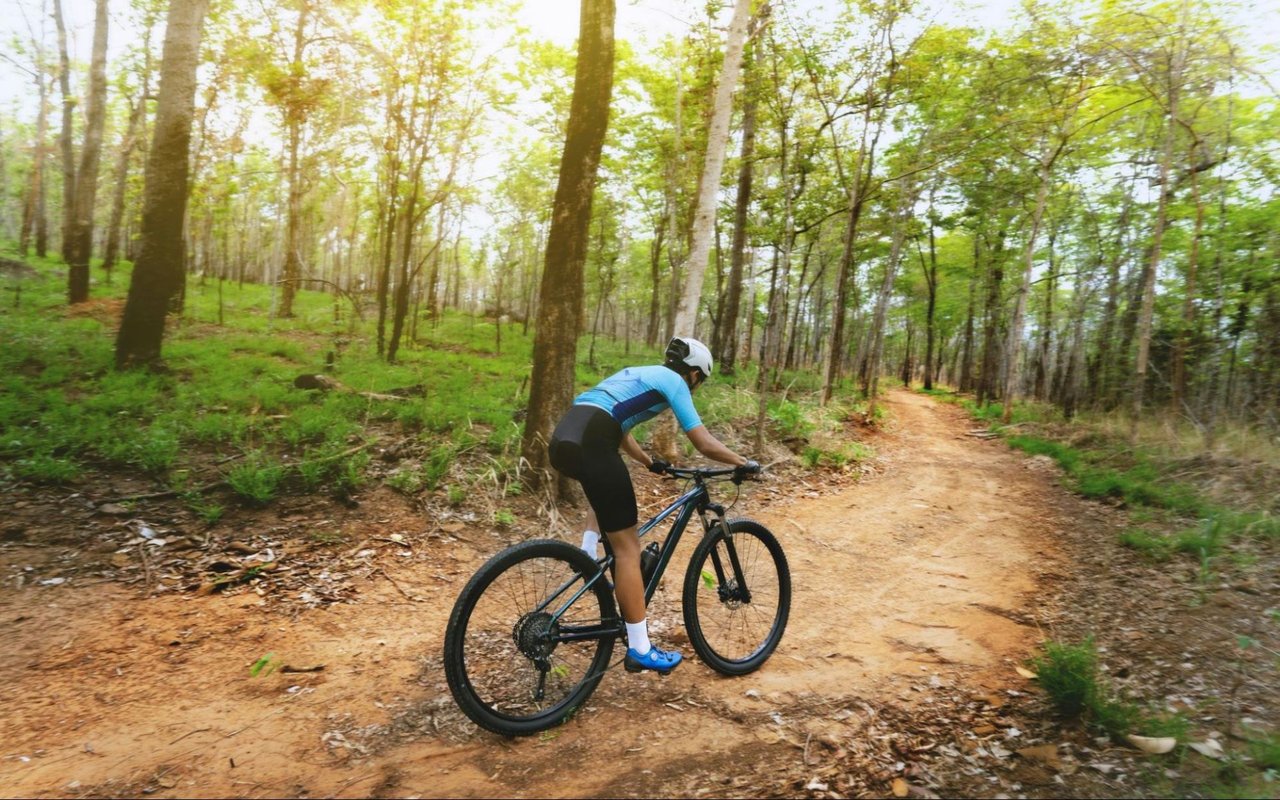
Discover the hidden gems and outdoor adventures waiting for you in Woodside.
August 27, 2026
Scott Dancer | August 24, 2026
The Redwoods, Trails, and Town Character That Show What Makes Woodside So Special.
Scott Dancer | August 24, 2026
A Local Guide to Understanding Your Home's Market Value in Woodside.

Scott Dancer | November 25, 2025
Protect your investment and attract buyers with the right seller-focused warranty coverage.
August 20, 2026
Scott Dancer | August 18, 2026
Let the past inspire your future — discover the historic home meant for you in Woodside.

Scott Dancer | August 18, 2026
Where Local Charm, Boutique Finds, and High-End Retail Meet.

Scott Dancer | August 18, 2026
Craft Beers, Laid-Back Taprooms, and Unique Brews Just Minutes From the Redwoods.
Scott Dancer | March 1, 2024
A Culinary Journey Through Exquisite Dining.
Scott Dancer | December 9, 2025
Understanding the Past That Shapes This Distinct Community.
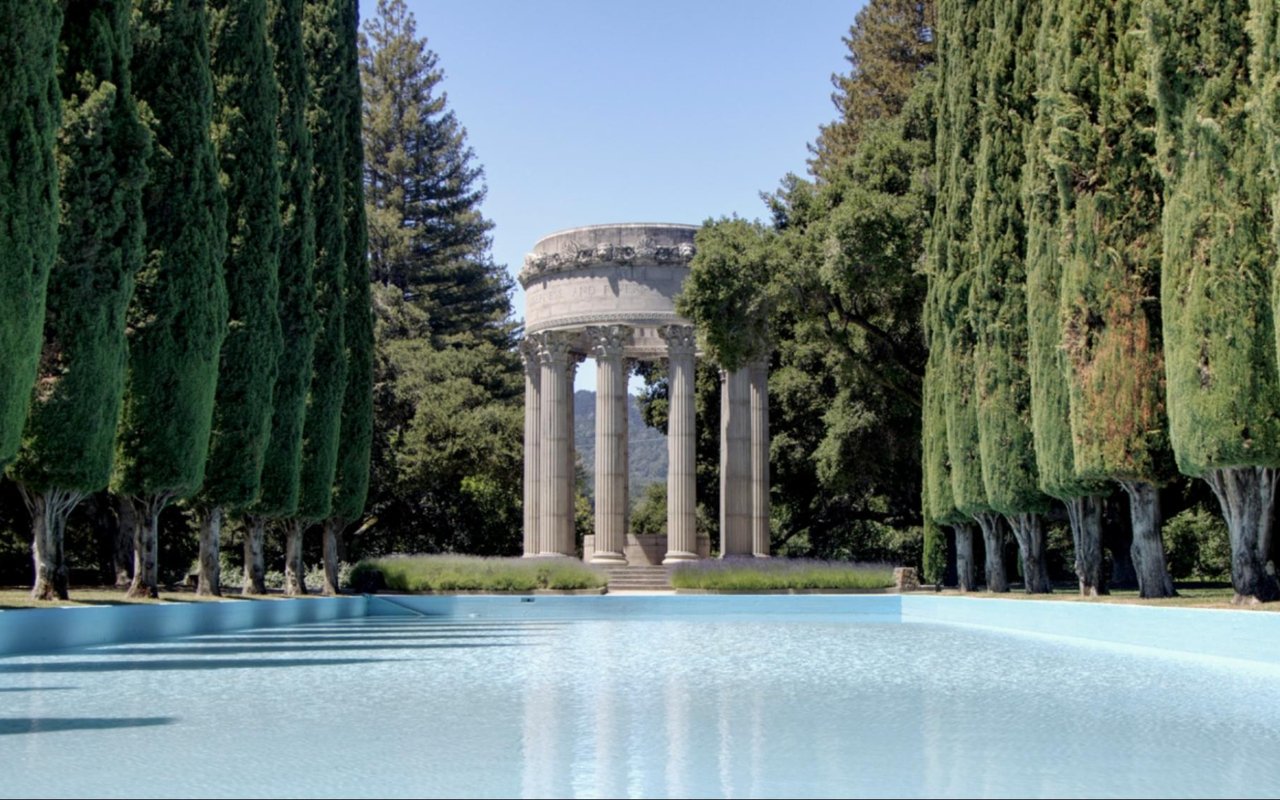
Scott Dancer | January 3, 2025
Exploring Timeless Structures and Hidden Gems in Woodside’s Scenic Setting.
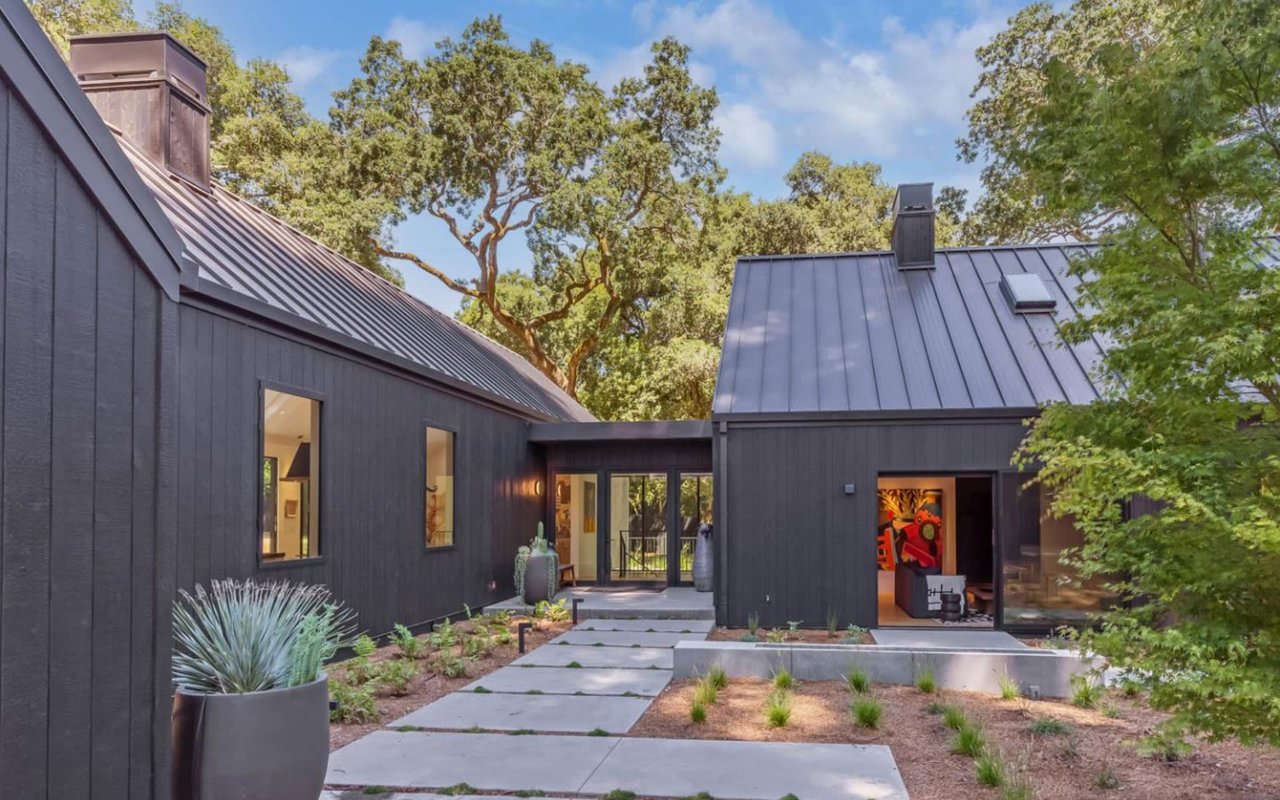
Scott Dancer | October 16, 2023
A fast and profitable sale can hinge on knowing when to put your home on the market.

Scott Dancer | August 4, 2025
Explore the coziest cafes with the best beans near Woodside.
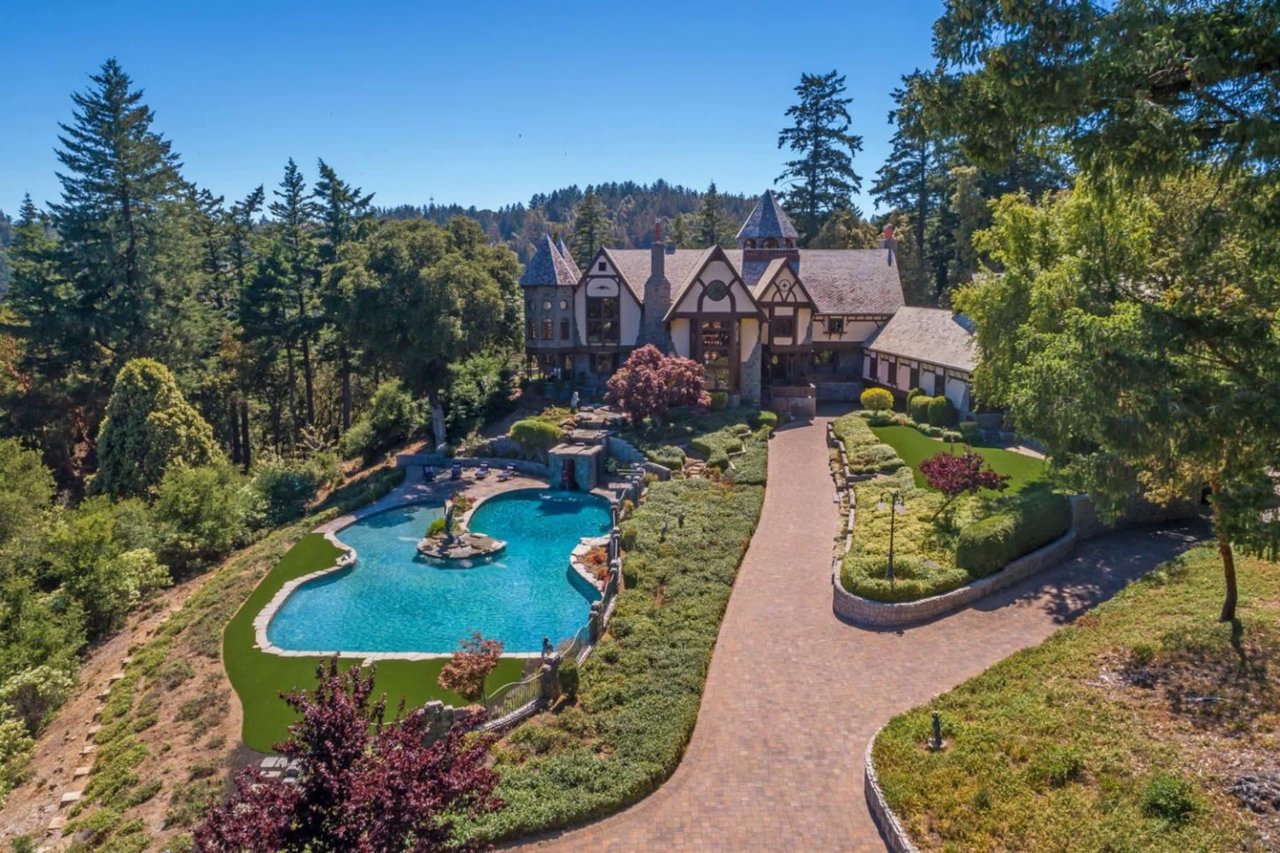
Scott Dancer | September 7, 2022
Live in a prestigious hidden hamlet at Silicon Valley’s doorstep.
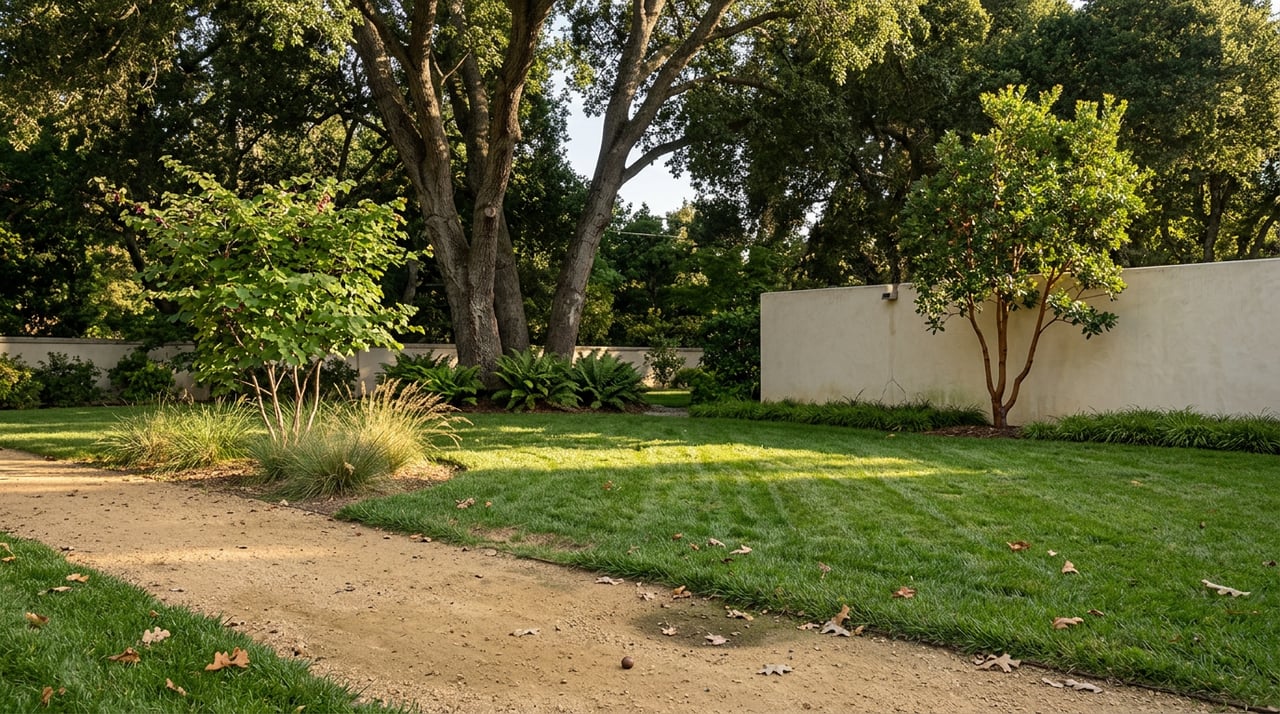
August 13, 2026
August 6, 2026

Scott Dancer | June 9, 2026
Woodside Has Some of the Bay Area’s Most Unique Restaurants.
August 6, 2026

Scott Dancer | July 28, 2026
Matching Types of Financing to Woodside’s Unique Properties.
Scott Dancer | July 28, 2026
Factors Like Timing, Documents, and Leverage Affect Pre-Approval.

Scott Dancer | February 3, 2025
A Serene Retreat in the Heart of Silicon Valley.
July 23, 2026

Scott Dancer | July 14, 2024
Navigating the Choice Between DIY and Professional Contractors in Home Improvement Projects.
July 16, 2026
Scott Dancer | May 30, 2024
Embracing Nature: A Comprehensive Guide to Parks in and Around Woodside, CA.
Scott Dancer | July 9, 2026
Parks in Woodside, CA: Where to Hike, Ride, and Explore.
July 9, 2026

Scott Dancer | July 7, 2026
What Makes a Good Real Estate Agent in Woodside, CA: A Buyer and Seller's Guide.
Scott Dancer | September 9, 2025
A detailed account of property taxes in Woodside.
July 2, 2026
June 25, 2026

Scott Dancer | February 3, 2025
Mastering the Art of Real Estate Negotiations for a Successful Transaction.
June 18, 2026
June 11, 2026
June 4, 2026
May 28, 2026
Scott Dancer | May 26, 2026
How to Choose the Right Moment to List in One of California's Most Selective Markets.
Scott Dancer | May 26, 2026
What Every Buyer Needs to Know Before Entering One of the Peninsula's Most Distinctive Markets.

Scott Dancer | May 26, 2026
What Buyers and Sellers Need to Know Before Choosing Representation in One of California's Most Distinctive Markets.
May 21, 2026
May 14, 2026

Scott Dancer | February 17, 2026
Home Warranty Considerations Every Luxury Buyer and Seller Should Understand.

Scott Dancer | February 17, 2026
A Closer Look at Amenities That Increase Home Value for Luxury Buyers.

Scott Dancer | January 13, 2026
Essential Tips for Maintaining Your House’s Foundation in Woodside, CA.

Scott Dancer | January 13, 2026
Clear Answers to Common Real Estate Questions Buyers and Sellers Ask Most.
Scott Dancer | March 22, 2023
Begin your home search online and then get out and view some wonderful luxury properties to make sure they’re right for you.
Scott Dancer | January 29, 2023
Getting your home showroom-ready is just one way you can streamline the home selling process!
Scott Dancer | December 14, 2022
Will there be a change from this year’s seller’s market?

Scott Dancer | February 7, 2023
Look for these qualities when searching for your real estate agent.
Scott Dancer | September 17, 2022
Follow this guide to eliminate the stress and worry when it comes to selling your gorgeous home.

Scott Dancer | December 9, 2025
What Today’s Buyers Expect and How Sellers in Woodside Can Respond.
Scott Dancer | November 25, 2025
Understanding how seasonal trends affect pricing, demand, and strategy in Woodside, CA.

Scott Dancer | October 28, 2025
Navigating competitive pricing, limited inventory, and zoning complexities in one of California’s most exclusive communities.
Scott Dancer | October 22, 2025
Key considerations for a smooth and successful sale.

Scott Dancer | May 30, 2024
Essential Tips for Successfully Moving with Pets: A Comprehensive Guide for Pet Owners.
Scott Dancer | November 18, 2024
Streamline Your Move With These Simple Steps.
Scott Dancer | February 29, 2024
Elevating Elegance: Exploring the Pinnacle of Luxury Home Design Trends.
Scott Dancer | July 15, 2024
Merging Elegance and Modernity: The Allure of Modern Classic Style in Interior Design.

Scott Dancer | November 5, 2024
Practical tips to help you settle into your new state with ease.

Scott Dancer | September 16, 2025
What buyers need to know before securing their dream home.
Scott Dancer | August 13, 2025
Timing the Market for Maximum Returns.
Scott Dancer | August 13, 2025
Exploring Wellness Opportunities in a Scenic Setting.
Scott Dancer | August 4, 2025
Discover Hidden Gems, Local History & Lifestyle in Bay Area’s Premier Equestrian Town.
Scott Dancer | August 4, 2025
Woodside plays host to a medley of California recreation.
Scott Dancer | August 4, 2025
Discover Scenic, Cultural, and Coastal Escapes Just a Short Drive from Woodside, California.
Scott Dancer | August 4, 2025
Inspired ideas for elevating your Woodside home with style and intention.
Scott Dancer | August 9, 2024
Your path to luxurious living.
Scott Dancer | August 9, 2024
Navigating the high-end real estate market.
Scott Dancer | February 29, 2024
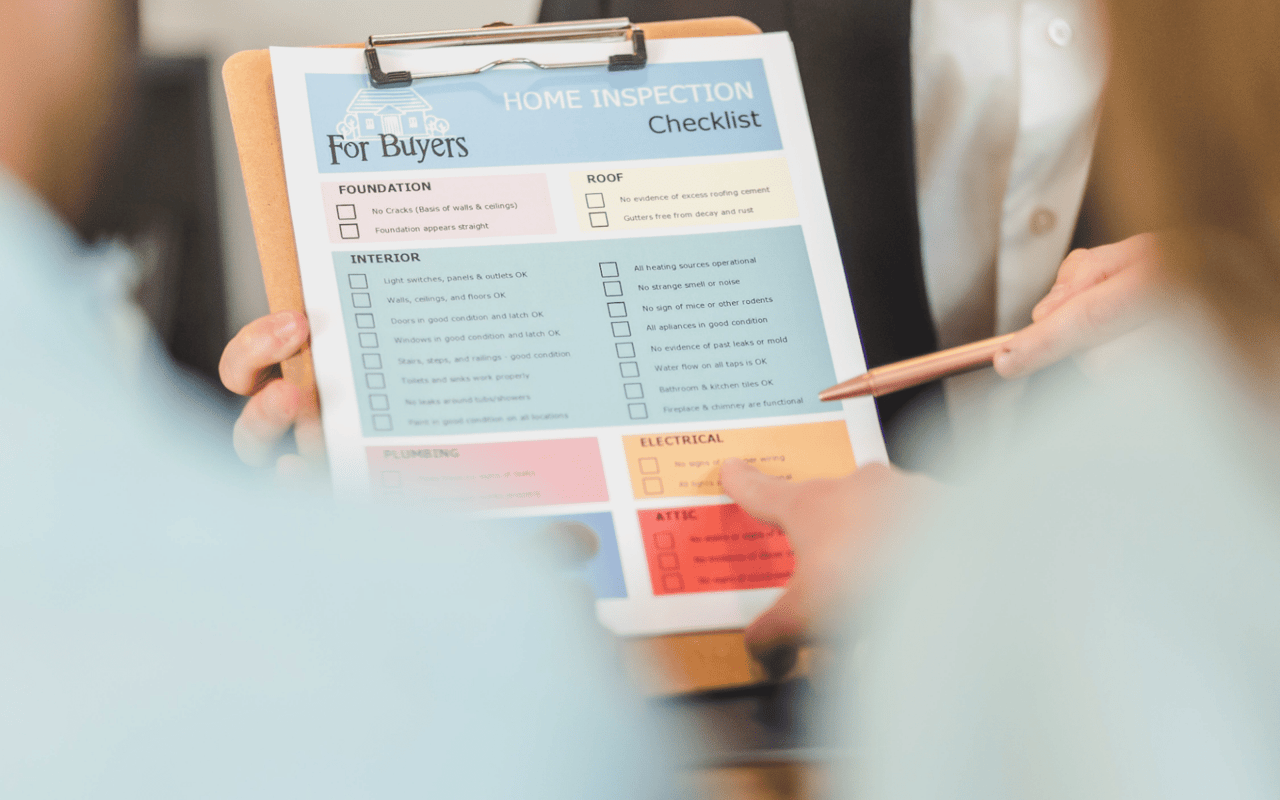
Ensuring a Smooth Sale: The Essential Guide to Home Inspection Before Selling.
Scott Dancer | March 3, 2025
A Guide to Profitable Home Investments in One of California’s Most Prestigious Markets.
Scott Dancer | March 3, 2025
A Comprehensive Plan for a Successful Home Sale in Woodside, CA.

Scott Dancer | February 3, 2025
Maximizing Your Home's Value with a Competitive and Strategic Pricing Approach.
Scott Dancer | January 3, 2025
Where Scenic Beauty Meets World-Class Golfing.

Scott Dancer | August 29, 2024
Transform Your Home with Cutting-Edge Technology.
Scott Dancer | November 5, 2024
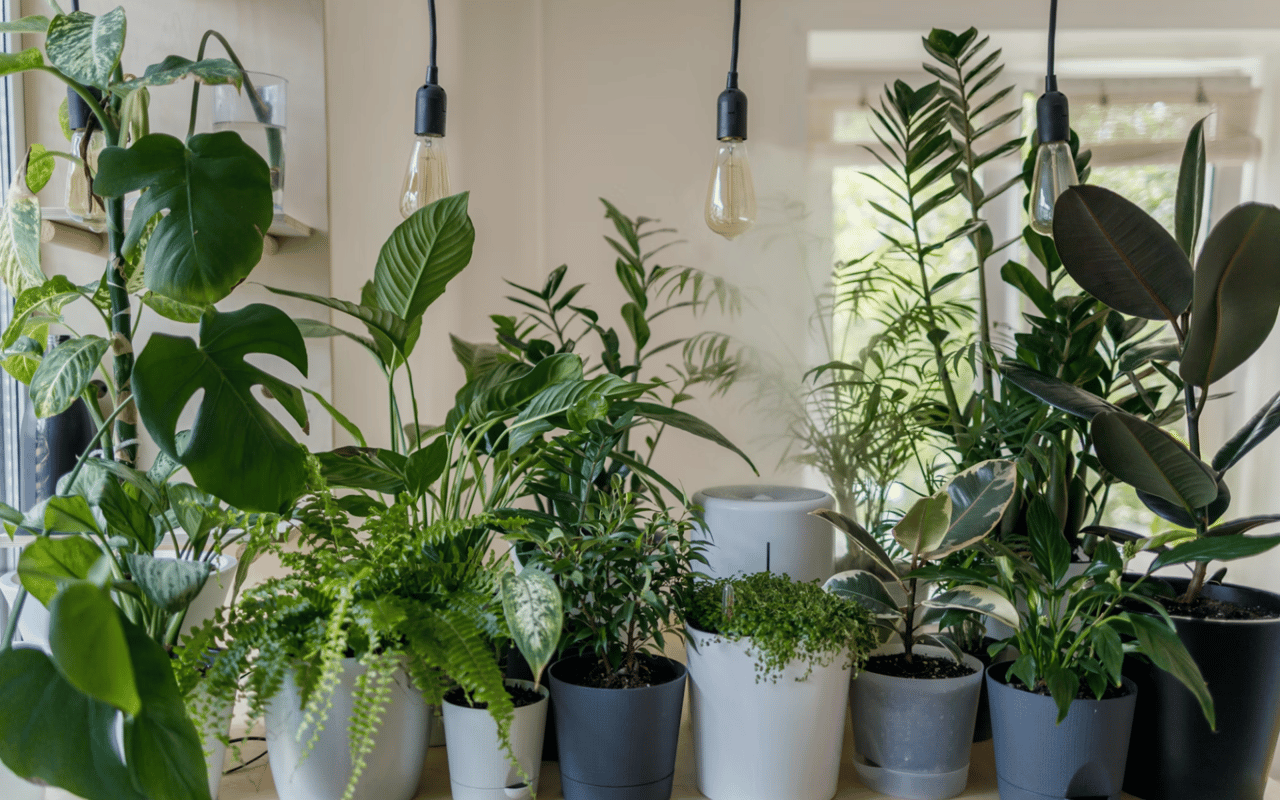
Practical tips for creating a healthier living environment.
Scott Dancer | November 5, 2024
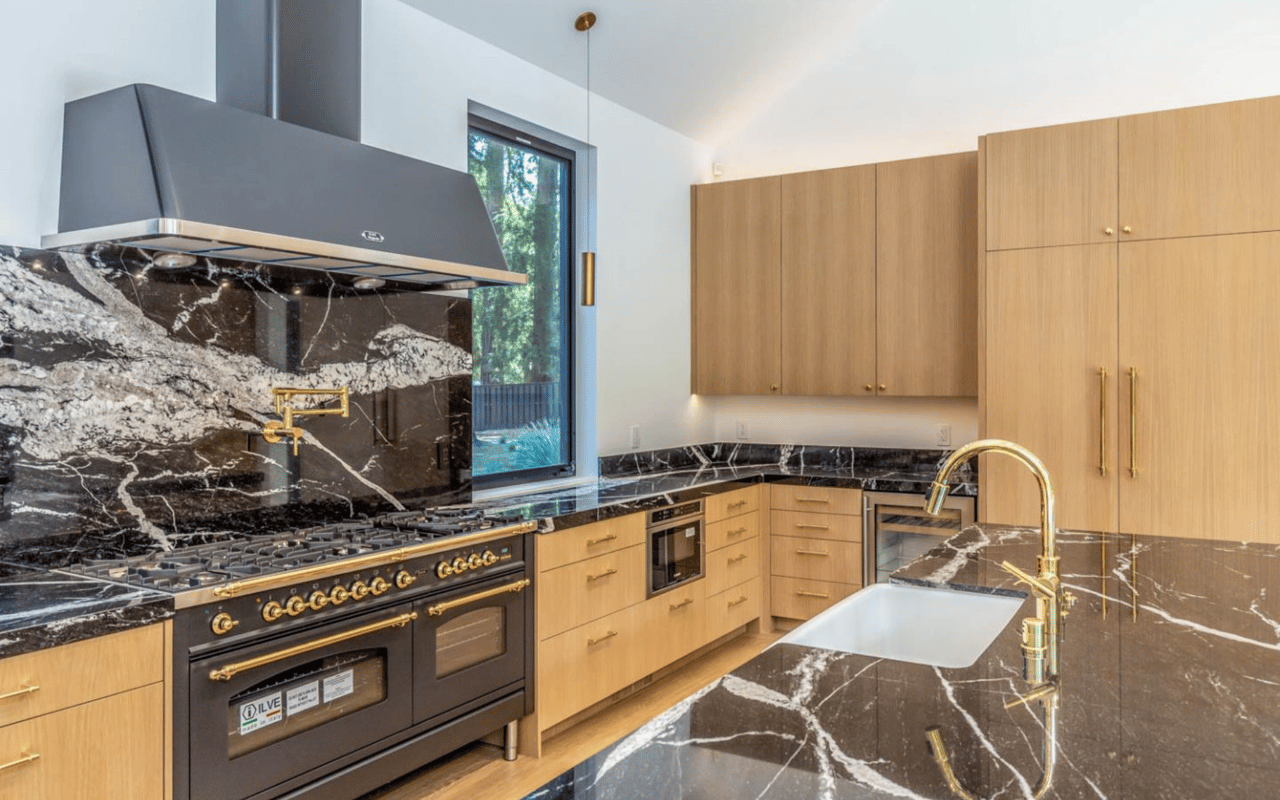
Discover the top home improvements to increase your property’s value.
Scott Dancer | January 3, 2025
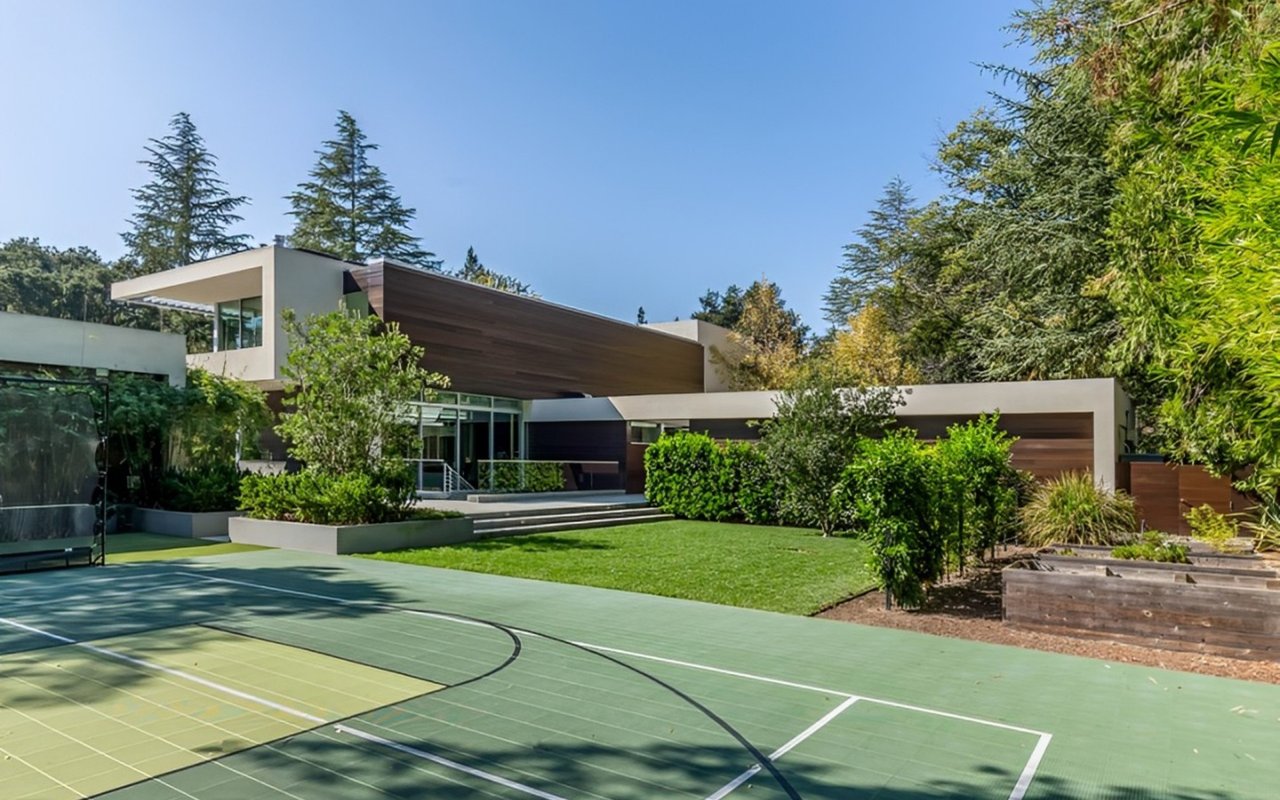
Innovative Styles Shaping Upscale Living in Woodside, CA.

Scott Dancer | November 18, 2024
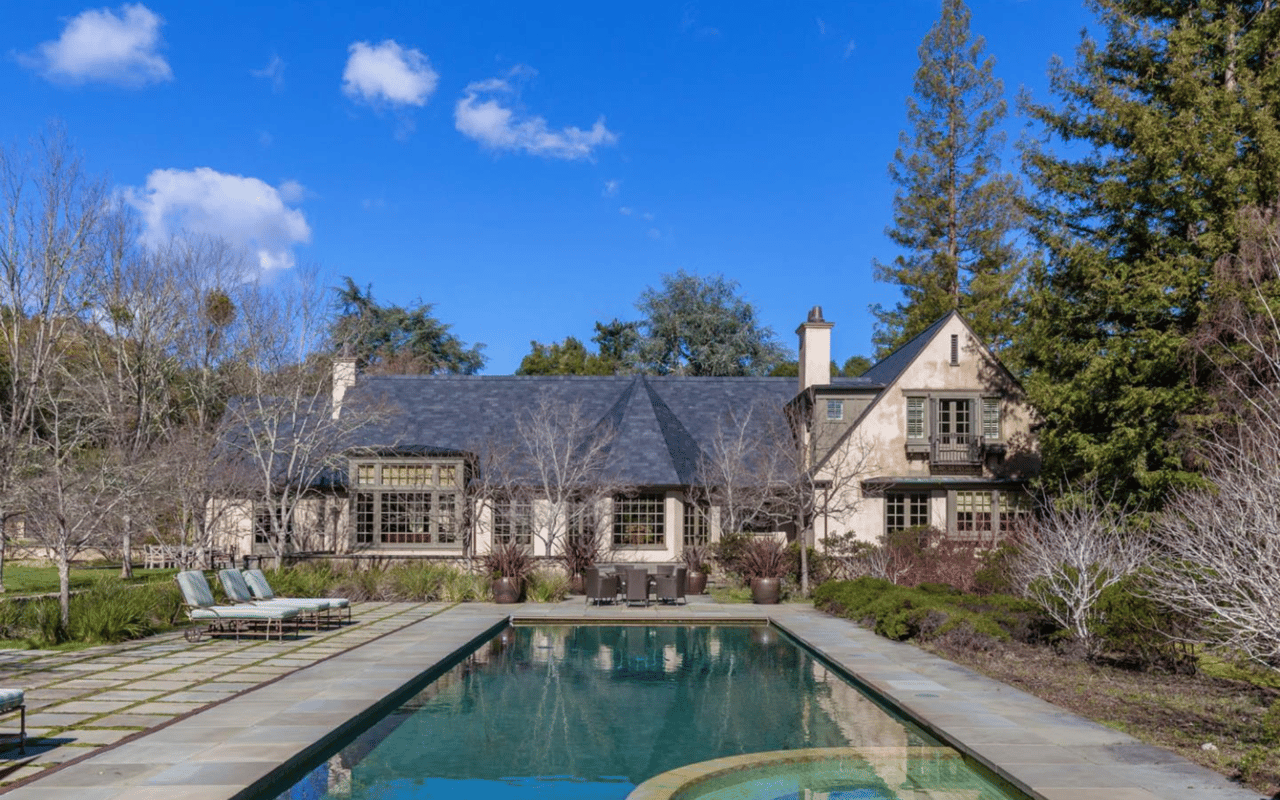
Choose the Perfect Paint Colors to Elevate Every Room in Your Home.
Scott Dancer | August 29, 2024
Discover the Luxurious Lifestyle of This Bay Area Gem.

Scott Dancer | August 29, 2024
Protecting your home and peace of mind.
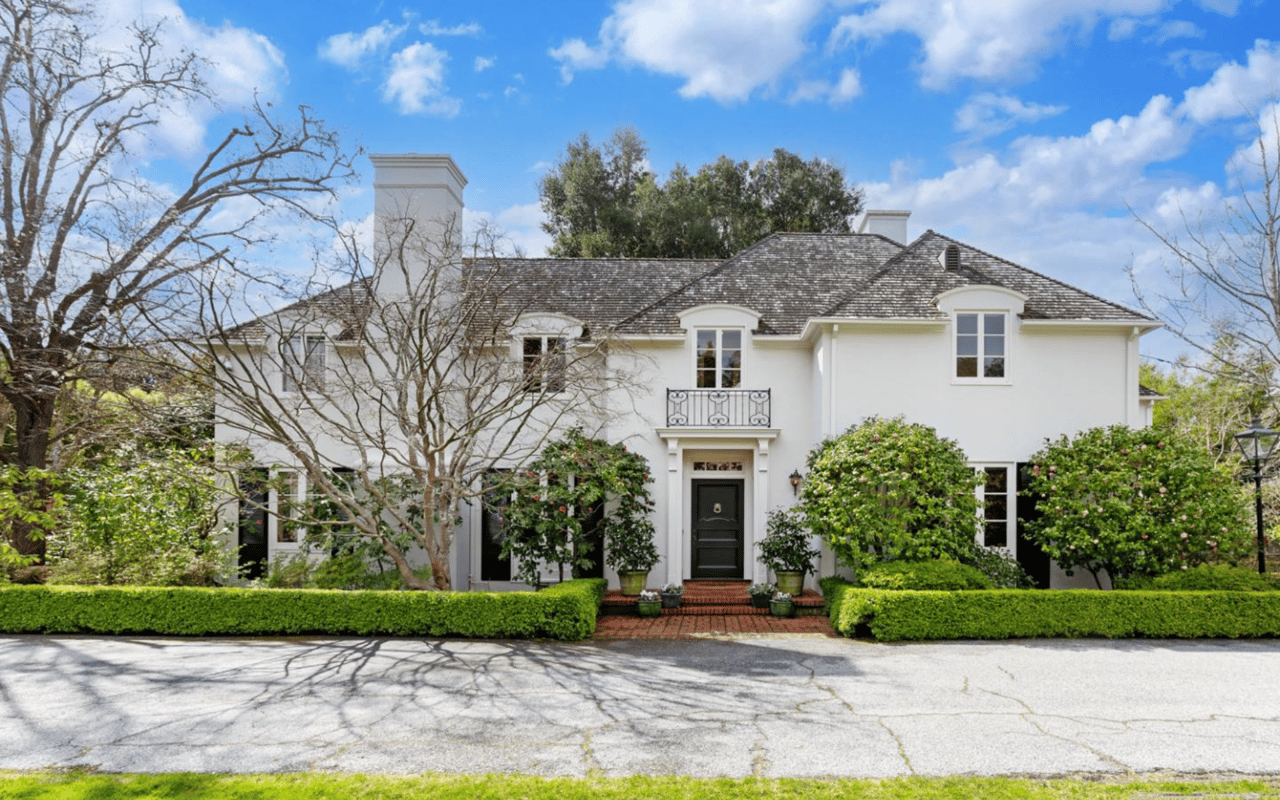
Scott Dancer | August 29, 2024
Exploring the timeless and trendy designs that define luxury living.
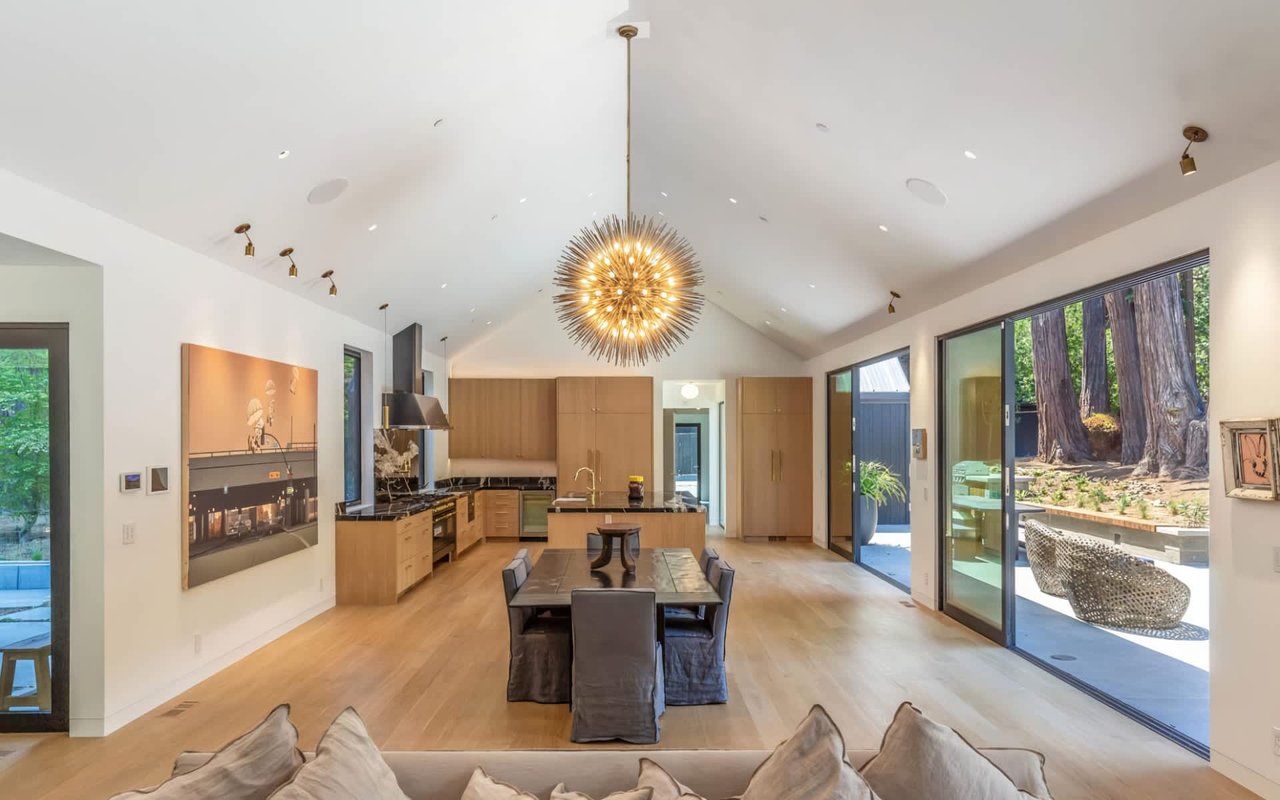
Scott Dancer | July 14, 2024
Exploring Real Estate Opportunities in this Prestigious Enclave.
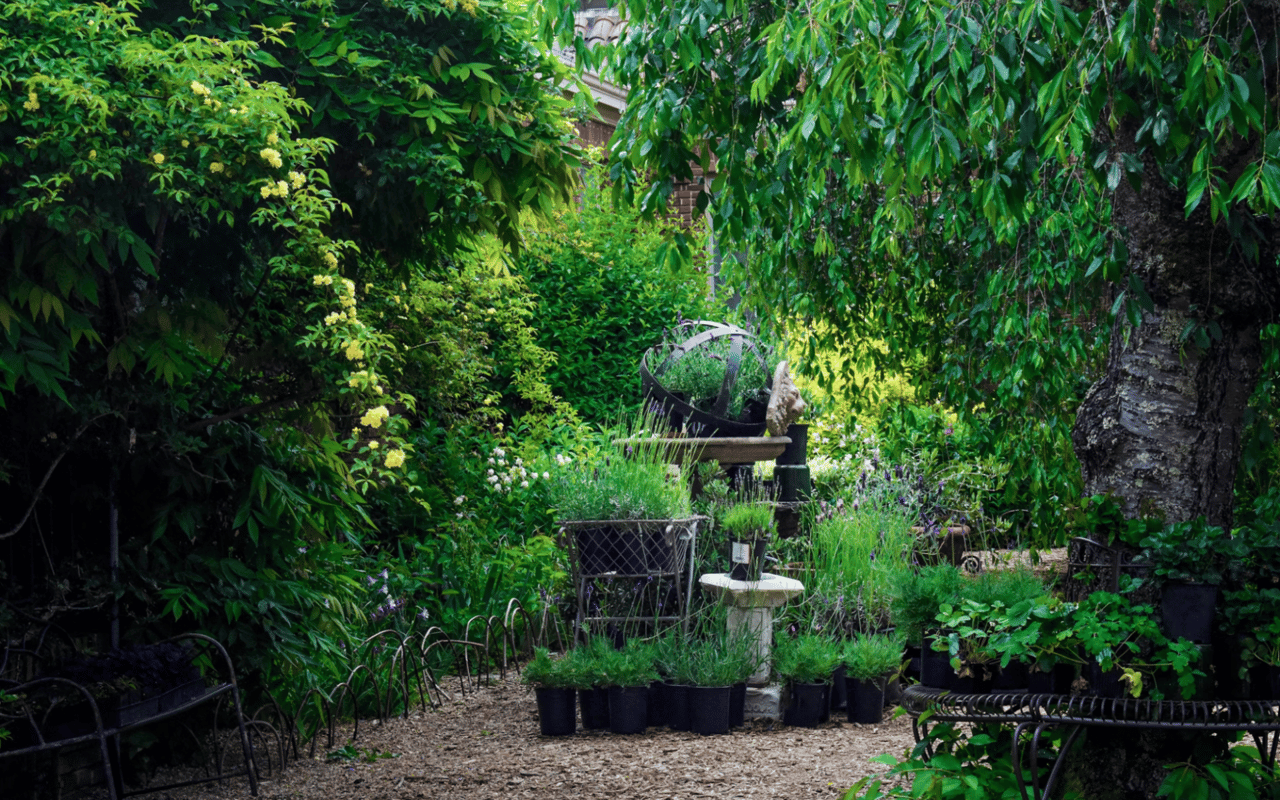
Scott Dancer | May 30, 2024
Discover Woodside: A Guide to Must-Visit Attractions and Natural Wonders.
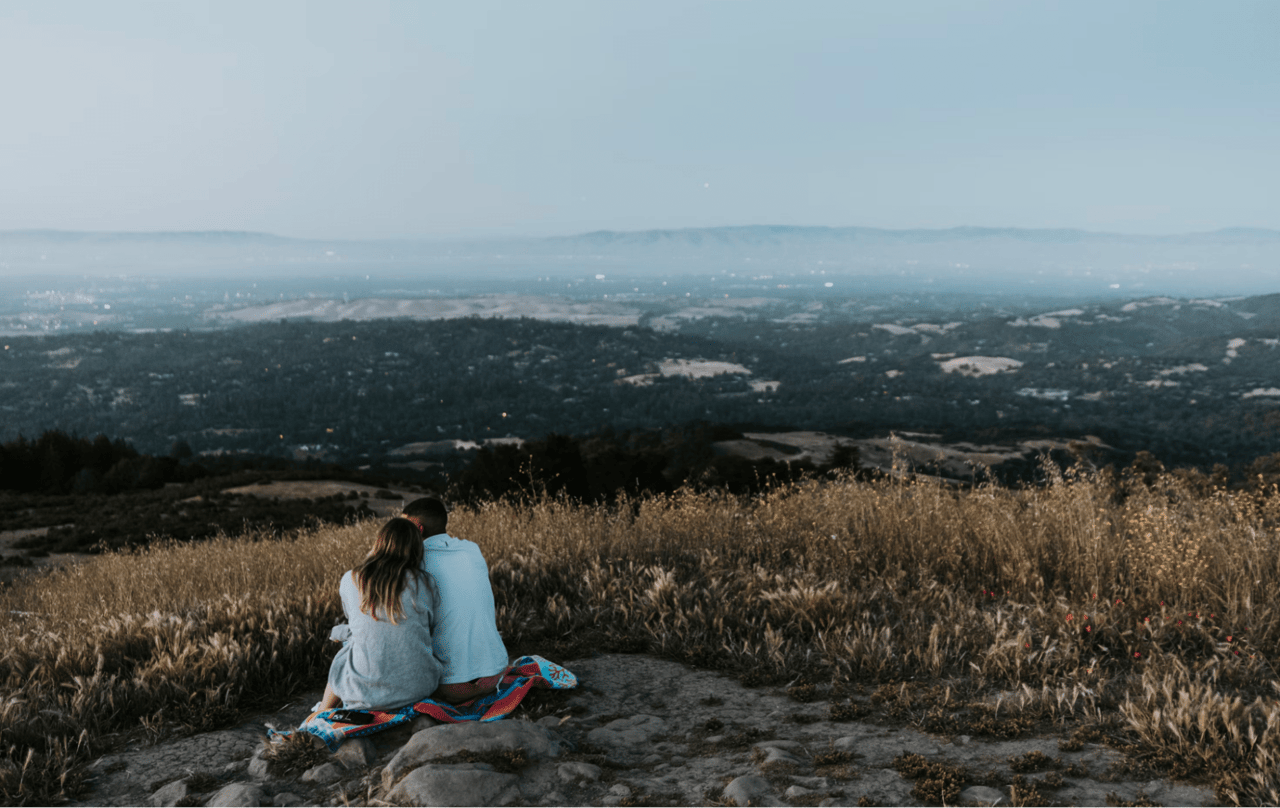
Scott Dancer | March 1, 2024
Discovering the Hidden Gems of Leisure, Adventure, and Nature.
Scott Dancer | July 23, 2023
Ten tips for buying and selling quickly.