Inside Woodside’s Equestrian Lifestyle And Estate Culture
May 14, 2026
May 14, 2026
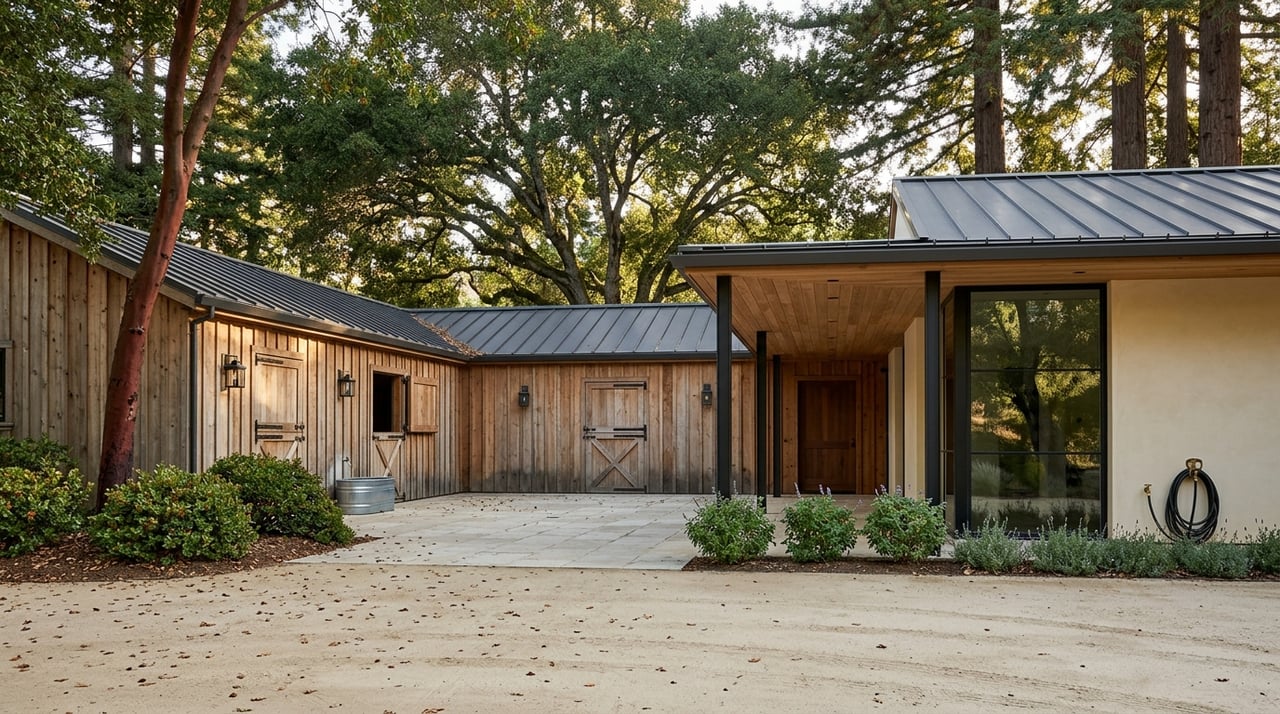
If you are drawn to Woodside, chances are you are not looking for a typical luxury suburb. You are looking for space, privacy, and a setting where land and lifestyle still shape daily life. In Woodside, the equestrian culture and estate character are not just part of the image. They are built into how the town is planned, used, and preserved. Let’s take a closer look.
Woodside’s rural estate identity is grounded in the town’s land-use framework. According to the Town’s General Plan and housing appendix, residential land is limited to single-family use, with no multi-family land use designated. Zoning includes six single-family residential districts with minimum lot sizes ranging from 20,000 square feet to 10 acres.
That range helps explain why Woodside feels so different from more conventional Peninsula communities. The town’s planning documents reflect real constraints such as steep slopes, fire hazard, soil conditions, and sewer limitations, while also reinforcing low-density living. The Architectural & Site Review Board is tasked with protecting the town’s rural character and natural beauty, which supports the lasting estate atmosphere buyers often notice right away.
In Woodside, luxury is often defined less by proximity to retail and more by room to breathe. The Town’s General Plan notes that commercial land is very limited and concentrated in two small centers. That means the broader identity of Woodside is centered on homes, open space, agricultural uses, and low-intensity recreation rather than a busy commercial core.
For you as a buyer or owner, this creates a very specific kind of appeal. Large parcels, natural surroundings, and a quieter rhythm of life are not accidental features. They are part of a long-standing local structure that prioritizes stewardship, privacy, and a connection to the landscape.
In many places, horse property is a niche category. In Woodside, it is part of normal municipal life. The town maintains a Trails Committee dedicated to the public equestrian and pedestrian trail system, and the Livestock & Equine Heritage Committee reviews stable permits, conducts stable inspections, and supports education around equestrian facilities and activities.
The town’s horse guide notes that many residents either keep horses or own property that can be used for horses. It also describes the range of on-site equestrian features you may find, including pastures, paddocks, round pens, arenas, walkers, and corrals. Some owners also use semi-private equestrian facilities with varying membership structures, which adds flexibility for residents who want access to horse amenities without maintaining every feature at home.
If you are considering a horse property in Woodside, it helps to understand the practical side. A Stable Permit is required if a horse is kept on a property for more than 30 consecutive days, and permits are renewed annually. New applications are inspected by the Livestock & Equine Heritage Committee.
The town’s horse guide also points to several common property needs that matter for daily function and safety. These include wide gates and driveways, water access, sprinklers, and other fire-safety measures. In a foothill environment where wildfire planning and evacuation readiness are important, these details are not minor considerations. They are part of responsible property ownership.
One of Woodside’s defining strengths is the way private estate living connects to a larger outdoor network. The public equestrian trail map shows a mix of roadside trails, dedicated off-road trails, and unimproved dedicated trails. The horse guide says this system connects Huddart Park, Wunderlich Park, and Edgewood Park, while also reaching Midpeninsula Regional Open Space District properties, the Bay Area Ridge Trail, and the San Francisco Watershed.
That level of integration is unusual. It means equestrian living in Woodside is not limited to private land behind a gate. Instead, the lifestyle often includes direct or near-direct access to a broader riding environment that extends well beyond any single property.
Woodside’s trail culture also includes an important local nuance. The town’s General Plan report card notes that some permissive trails are located on private property and used by Woodside Trails Club members with owner permission. That arrangement says a great deal about the community.
The trail system is both public-facing and estate-based. It reflects a local culture where landowners, riders, and trail users participate in a shared landscape, while still respecting private ownership and access boundaries.
Several well-known public spaces help define Woodside’s outdoor identity. These destinations support riding, hiking, and time outdoors in ways that complement the private estate environment.
Huddart Park in Woodside offers hiking and riding trails, along with meadows, picnic areas, barbecue pits, and a playground. For residents, it is one of the nearby places that broadens the day-to-day lifestyle beyond the home itself.
Wunderlich Park also offers horseback riding and hiking. The restored historic Folger Stable adds a strong visual connection to the area’s long-standing horse and estate heritage.
Edgewood Park and Natural Preserve has ten miles of trails, with most of them open to equestrian use. For riders, that creates another meaningful option close to town.
Thornewood Preserve, located above Woodside, is a 167-acre preserve that offers easy hikes or horseback rides. It reinforces the idea that access to open land is not a side benefit here. It is part of the setting.
Crystal Springs Regional Trail is planned as a 17.5-mile trail from San Bruno to Woodside, with 15.3 miles already complete. Horseback riding is one of the permitted uses, which adds to the broader regional trail network tied to the Woodside area.
A useful way to understand Woodside is to see its horse culture as an ecosystem. Public trails, private trails with permission, stable permits, inspections, horse-property infrastructure, and wildfire planning all work together. This makes the equestrian lifestyle feel practical and established rather than decorative.
That same point shows up in county park operations as well. San Mateo County’s Volunteer Horse Patrol rides in Huddart, Wunderlich, Edgewood, and other county park lands where horses are allowed. For you, that is another sign that equestrian use is part of the normal fabric of the area.
Woodside’s identity is not only about horses. It is also about heritage, landscape, and a quieter form of luxury that values preservation and setting. One of the clearest examples is Filoli, a 654-acre historic country estate and public cultural center.
Filoli includes a 54,000-plus-square-foot Georgian Revival mansion, 16 acres of formal gardens, a 6.8-acre orchard, and hundreds of acres of natural lands and trail loops. It offers a powerful example of how Woodside blends estate culture, horticulture, and public access. Even if your interest is residential real estate rather than historic estates, Filoli captures something essential about the area’s enduring appeal.
The Woodside Store offers another layer of context. San Mateo County describes it as a restored house museum that preserves the town’s logging-era history. It is a smaller landmark than Filoli, but it contributes to the sense that Woodside has a distinct local story shaped by land and time.
The town’s commercial life remains intentionally modest. The General Plan says commercial activity is concentrated in two small centers, with restaurants, bars, and a market drawing the most activity at weekday middays and on weekends. That limited commercial footprint helps preserve the residential and open-space focus that defines the town.
Woodside’s public identity also includes The Horse Park at Woodside, also known as Guernsey Field, as part of the surrounding landscape referenced in town planning documents. Events such as the town’s Day of the Horse programming introduce residents and visitors to riding and lesson opportunities, equestrian facilities, blacksmithing, roping, and stagecoach rides.
These kinds of events matter because they show how horse culture is shared and visible in Woodside. It is not confined to private barns or hidden estates. It has a civic and cultural presence that helps keep local traditions active.
If you are buying in Woodside, it helps to look beyond square footage and finishes. The more important questions often involve land use, trail access, horse infrastructure, privacy, and how a property fits into the town’s broader rural framework. In a market like this, the value of an estate property is closely tied to setting, function, and the quality of the surrounding environment.
If you are selling, those same factors deserve careful positioning. Buyers at this level are often evaluating not just the home, but the full experience of the property. Acreage, equestrian utility, access to trails and open space, and the way an estate expresses Woodside’s quiet luxury can all shape how a property is understood in the market.
Woodside remains one of the Peninsula’s most distinctive residential settings because its character is protected by policy and reinforced by daily life. For the right buyer, that combination is hard to replicate anywhere else nearby.
If you are thinking about buying or selling in Woodside and want direct guidance shaped by decades of local experience, connect with Scott Dancer.
Primary phone
(650) 888-8199License Number
#00868362Address
2930 Woodside Rd,Scott Dancer specializes in Woodside, Portola Valley, Atherton, and Menlo Park – since 1984. He sold more Woodside/Portola Valley homes than any other agent for the period of 2005 to 2021 and remains the top agent for the luxury segment of the Woodside and Portola Valley markets.
In 2012, his Woodside sale was the record-high value residential sale for the entire United States. From 2012 to 2021, Scott sold more Woodside/Portola Valley homes than any other agent or entire company and sold the highest priced home in both Woodside and Portola Valley in 2017. Scott provides his full attention and personal service to his clients, whether buyers or sellers.
Clients and agents alike get Scott’s personal full attention, not an assistant’s. Scott is a member of the National Association of Realtors, California Association of Realtors, Silicon Valley Association of Realtors, and has been a Woodside residential sales agent since 1984. Scott resides in Woodside with his wife of over 30 years and has two children.
Stay up to date on the latest real estate trends.
September 17, 2026
September 10, 2026
September 7, 2026
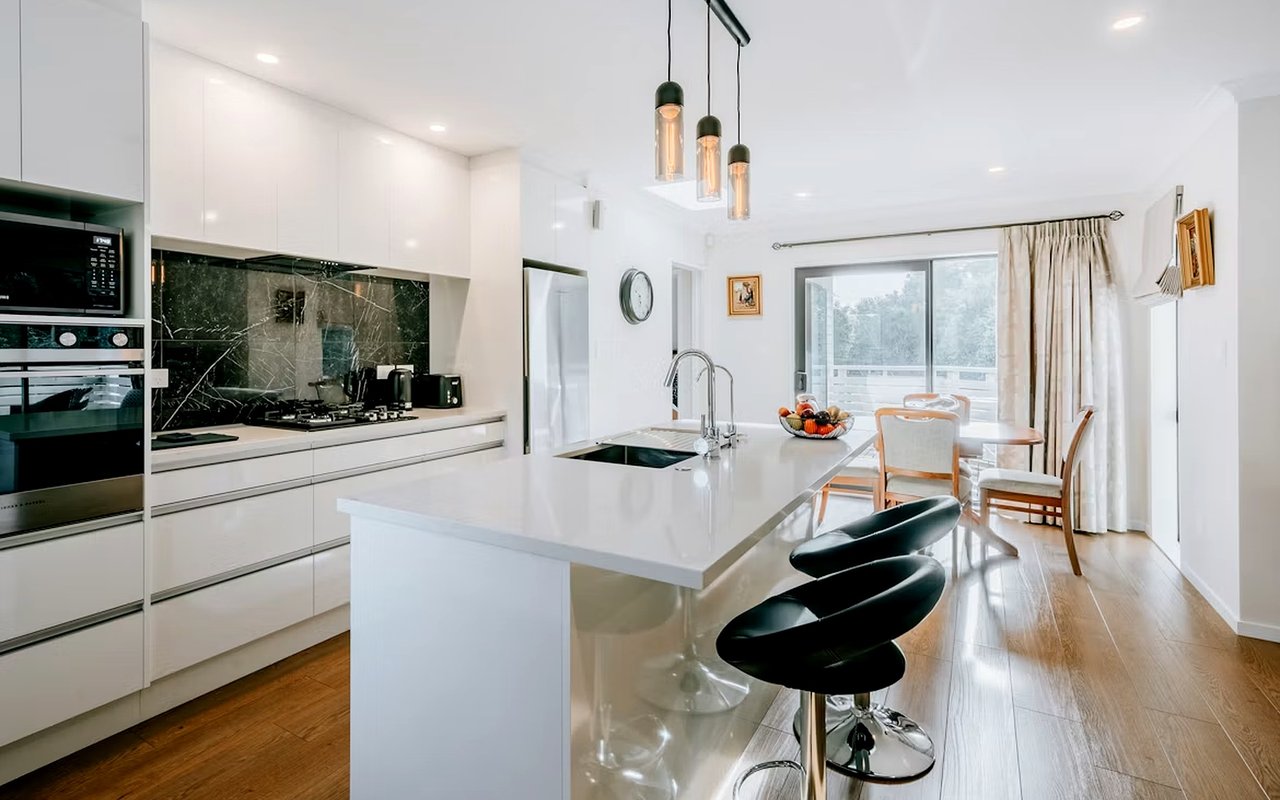
Getting Your Home Pricing Strategy Right From Day One in Woodside.
Scott Dancer | September 7, 2026
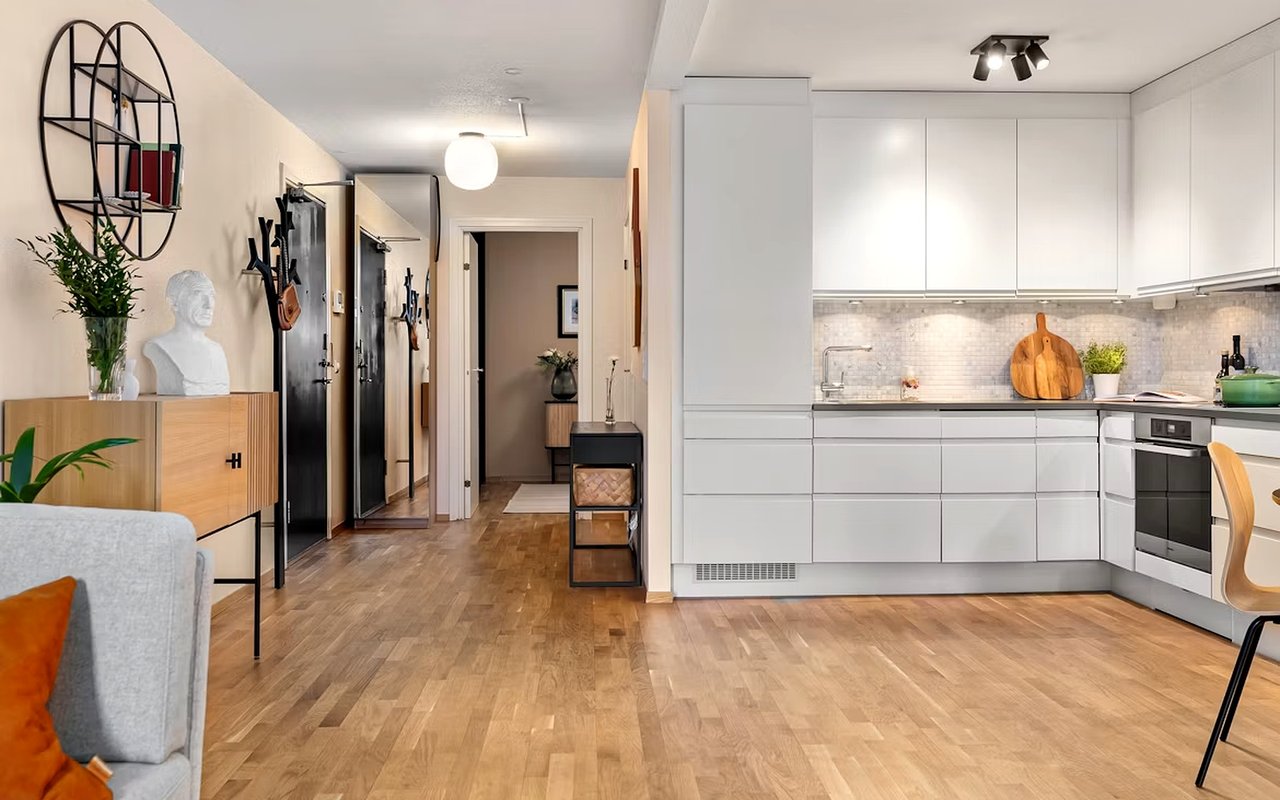
What to Know About a Home Inspection Before Buying in Woodside, California.
Scott Dancer | September 7, 2026
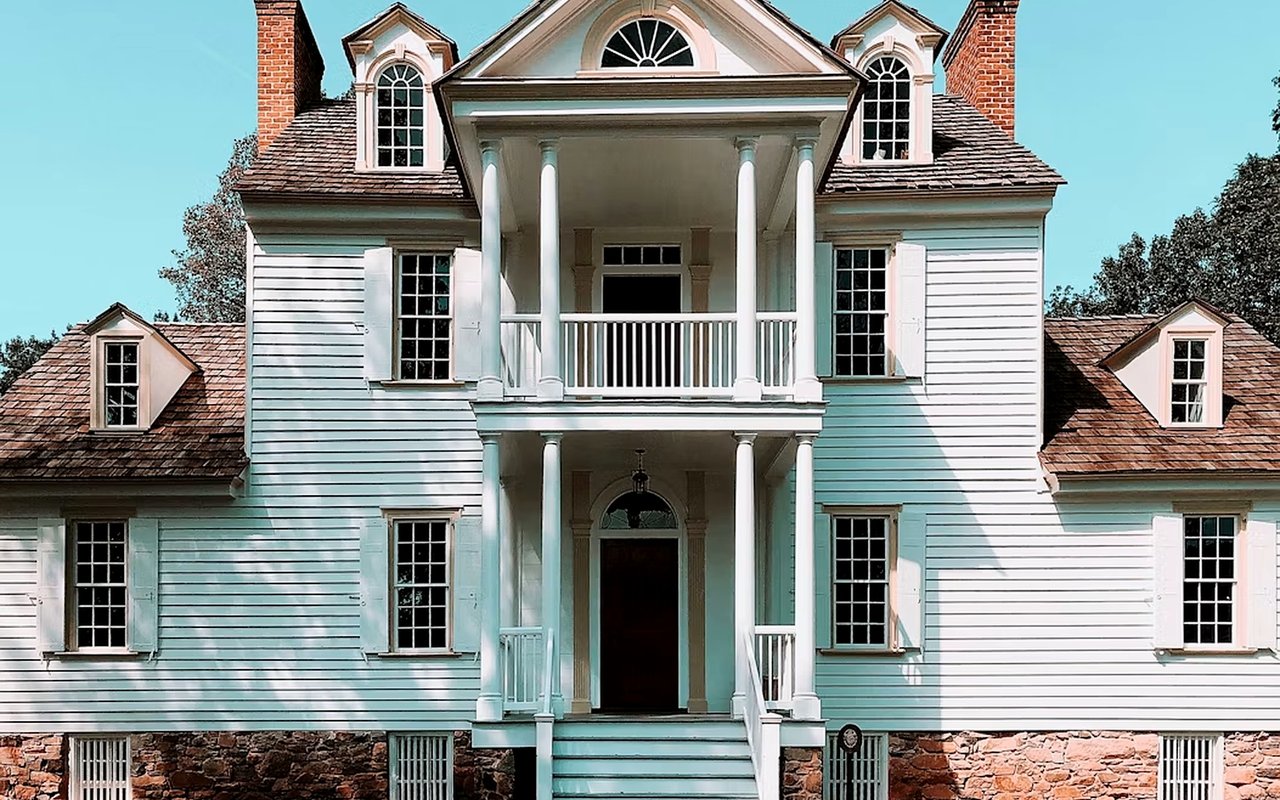
A Guide to the Architectural Styles in Woodside, California.
Scott Dancer | September 7, 2026
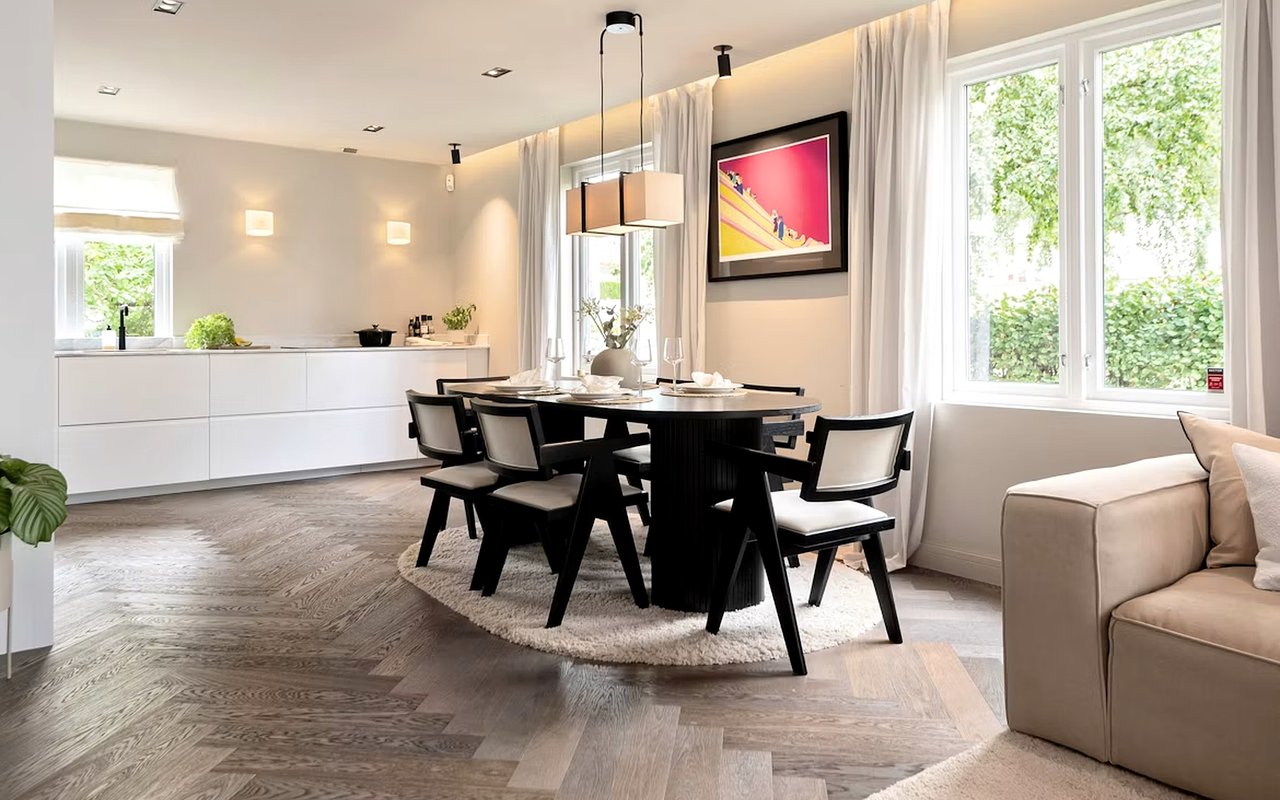
Questions to Ask Before Buying a Home in Woodside, California.
September 3, 2026
August 27, 2026
Scott Dancer | August 24, 2026
The Redwoods, Trails, and Town Character That Show What Makes Woodside So Special.