Trail-Focused Living In Portola Valley’s Hill Country
June 4, 2026
June 4, 2026
If you want a place where a morning walk, a weekend ride, or an evening trail run can feel built into daily life, Portola Valley stands apart. In this town, open space is not an afterthought. It is part of the civic plan, the road network, and the rhythm of how people use the landscape. For buyers and sellers alike, that matters because trail access can shape not just lifestyle, but also how a home is experienced from one street to the next. Let’s dive in.
Portola Valley has made outdoor access a core part of its identity. The Town says it has nearly the same number of miles of trails as roads, and its trail guidance points to more than 36 miles of unpaved trails and paved paths. Since incorporation in 1964, residents and supporters have also helped preserve about 1,900 acres of open space within town boundaries.
That commitment shows up in planning as well as scenery. The General Plan includes optional Trails and Paths and Scenic Roads and Highways elements alongside required land use, transportation, open space, and conservation components. In practical terms, this means the town has long treated trails, views, and open land as part of everyday community structure rather than separate recreational amenities.
For you as a buyer, that can mean easier access to walking, riding, and biking without leaving town. For you as a seller, it helps explain why proximity to open space often feels so central to a property's appeal in Portola Valley.
Trail-focused living here is not limited to one type of resident or one kind of outing. The Town describes Portola Valley as filled with trails and open spaces for hikers, bikers, and equestrians. That broad mix gives the community a distinct outdoor culture that feels active but still low-key.
You also see that identity in the way former and current open spaces have been preserved and adapted over time. The Town highlights places such as Windy Hill, Spring Down, Herb Dengler, Shady Trail, Coal Mine Ridge, Blue Oaks Trails, and Frog Pond as part of its open-space history. Portola Valley Ranch is also cited as a model, with 347 acres of integrated open space.
The result is a town where outdoor access is woven into residential life. In some areas, you are close to trailheads and preserve entrances. In others, you are connected by paved paths, scenic road corridors, or routes that support walking and biking as part of a normal day.
Windy Hill Preserve is one of the best-known outdoor assets tied to Portola Valley living. It spans 1,414 acres and includes a 7.2-mile loop through Spring Ridge, Lost Trail, and Hamm’s Gulch. Along the way, you move through oak woodlands, chaparral, and grassy meadows, with summit views of both the Bay and the Pacific.
From a real estate perspective, Windy Hill helps explain why certain Portola Valley locations feel especially connected to the outdoors. The lower parking area is on Portola Road, with overflow available at Town Center. Midpen also notes that the lower lot fills quickly, which is a useful reminder that access and parking conditions can vary depending on exactly where you live and when you go.
Russian Ridge Preserve brings a different kind of trail access into the picture. This preserve spans 3,137 acres and is accessed from Skyline Boulevard and Alpine Road. Its trail system links Borel Hill, the Bay Area Ridge Trail, and Alpine Pond.
For homes closer to Alpine Road and Skyline, this ridge-top access can be part of the lifestyle draw. Midpen also notes that Russian Ridge is one of the Bay Area’s best places to see raptors, adding another layer to the experience of being near this landscape.
Spring Down Open Space is smaller, but it says a great deal about Portola Valley’s values. This 6-acre parcel on Portola Road was once a horse facility and equestrian center. The Town restored it as a low-impact open space with a one-third-mile loop trail around a pond, meadow, and riparian setting.
What makes Spring Down notable is how clearly it reflects the town’s nature-forward approach. It shows that even modest open-space parcels can carry meaning in daily life, especially when they sit close to established residential areas and connect to a broader trail culture.
In Portola Valley, outdoor access is not just about preserves and weekend outings. The Town’s trail page links to a Safe Routes to School map that creates a car-free connection between PV schools, Town Center, and Ford Field. That is an important detail if you are looking for a location where walking and biking can be part of normal routines.
Cycling also has real infrastructure behind it. The county-maintained Alpine Trail becomes the Dwight F. Crowder Memorial Bicycle Path when it enters Portola Valley and runs along Alpine Road to Portola Road. That gives cyclists a defined paved connector through town rather than a collection of isolated segments.
The Town has also built policy support around bicycling and pedestrian use. Its Bicycle, Pedestrian & Traffic Safety Committee exists to support safe and enjoyable bicycling as both transportation and recreation. The Town’s Alpine Road shoulder-widening project was also designed to improve conditions for bicyclists and pedestrians.
Portola Valley’s equestrian culture is not just historical context. It remains active in how trails are used today. Windy Hill includes designated equestrian trails and equestrian trailer parking at the Spring Down Equestrian Center driveway.
The Town’s trail etiquette guidance reinforces that horses remain an integral part of trail use. Equestrians are permitted on all trails except Toyon Trail on Coal Mine Ridge, and trail users are asked to yield to equestrians. The Town also announced on January 26, 2026, that the Larry Lane Trail complex was open for equestrian use.
For buyers considering estate properties, land, or homes with a more rural edge, that matters. It speaks to the continued relevance of horse-oriented living and to the broader character of a town that still supports multiple outdoor lifestyles side by side.
One reason Portola Valley’s trail network works well is that expectations are clearly defined. The Town says pedestrians are welcome on all trails and paths. Cyclists are permitted on paved paths and certain unpaved trails near schools, but bicycles are not allowed on wilderness trails.
Speed guidance is also clear. Bicycles are limited to 15 miles per hour and 5 miles per hour when passing. These rules may sound simple, but they help preserve the calm, shared-use quality that many people value when they think about daily life here.
At the regional level, Midpen says visitors will find nearly 250 miles of trails, with 16 preserves open to mountain biking and 21 open to horseback riding. It also highlights long-distance riding opportunities along the Bay Area Ridge Trail, which connects adjacent preserves and public lands.
Not every Portola Valley address connects to trails in the same way. Based on official trailhead and parking locations, homes near Portola Road and Town Center are likely to have the most immediate access to lower Windy Hill and Spring Down. Homes closer to Alpine Road and Skyline are generally closer to ridge-top access such as Russian Ridge and upper Windy Hill.
This kind of micro-location sensitivity is consistent with the Town’s planning framework. The General Plan names sub-area plans for the Alpine Scenic Corridor, Town Center Area, and Portola Road Corridor. In a market like Portola Valley, those distinctions can matter because the lifestyle feel can change noticeably from one pocket to another.
If you are buying, it helps to think beyond the town name and focus on how you want to use the area day to day. If you are selling, it is worth understanding exactly how your property relates to trailheads, open space, paved paths, and scenic roads, since those details can help shape the right positioning.
If trail access is a priority, it is smart to evaluate the details early. A home may look close to open space on a map, but the real experience depends on the specific trail entry point, route type, and daily practicality of getting there. In Portola Valley, those nuances are often where value becomes more personal and more meaningful.
As you compare homes, consider:
This is especially important in a town where open space is part of identity, not just backdrop. The right fit often comes down to matching your routine with the right micro-location.
For sellers, trail adjacency and open-space context can be meaningful property attributes in Portola Valley. They help tell the story of how a home lives, not just what it contains. In a lifestyle-driven market, that distinction can matter.
At the same time, trail access should be presented with precision. Popular trailheads can bring parking demand, and some trails may be affected by wet-weather or seasonal closures. That is why exact location matters block by block, and why thoughtful positioning tends to outperform broad generalizations.
For estate-caliber homes in particular, buyers often respond to the full setting. That includes privacy, land, scenic character, and the way a property connects to the wider Portola Valley landscape. When that story is handled well, the outdoor context becomes part of the home’s value narrative.
If you are considering a purchase or preparing to sell in Portola Valley, a highly local read on trails, access patterns, and micro-location can make a meaningful difference. For discreet guidance shaped by decades of experience in this market, connect with Scott Dancer.

Primary phone
(650) 888-8199License Number
#00868362Address
2930 Woodside RdScott Dancer specializes in Woodside, Portola Valley, Atherton, and Menlo Park – since 1984. He sold more Woodside/Portola Valley homes than any other agent for the period of 2005 to 2021 and remains the top agent for the luxury segment of the Woodside and Portola Valley markets.
In 2012, his Woodside sale was the record-high value residential sale for the entire United States. From 2012 to 2021, Scott sold more Woodside/Portola Valley homes than any other agent or entire company and sold the highest priced home in both Woodside and Portola Valley in 2017. Scott provides his full attention and personal service to his clients, whether buyers or sellers.
Clients and agents alike get Scott’s personal full attention, not an assistant’s. Scott is a member of the National Association of Realtors, California Association of Realtors, Silicon Valley Association of Realtors, and has been a Woodside residential sales agent since 1984. Scott resides in Woodside with his wife of over 30 years and has two children.
Stay up to date on the latest real estate trends.
October 8, 2026
October 1, 2026
September 24, 2026
September 17, 2026
September 10, 2026
September 7, 2026
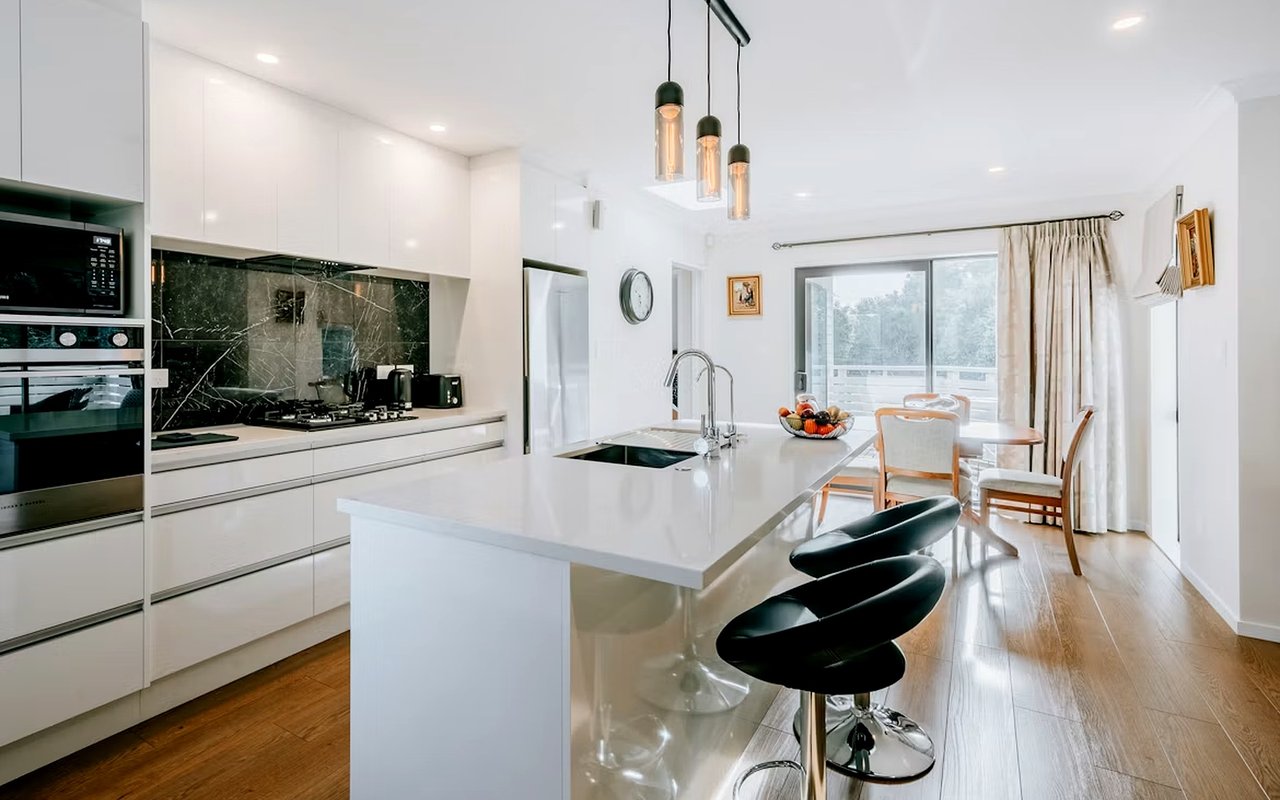
Getting Your Home Pricing Strategy Right From Day One in Woodside.
Scott Dancer | September 7, 2026
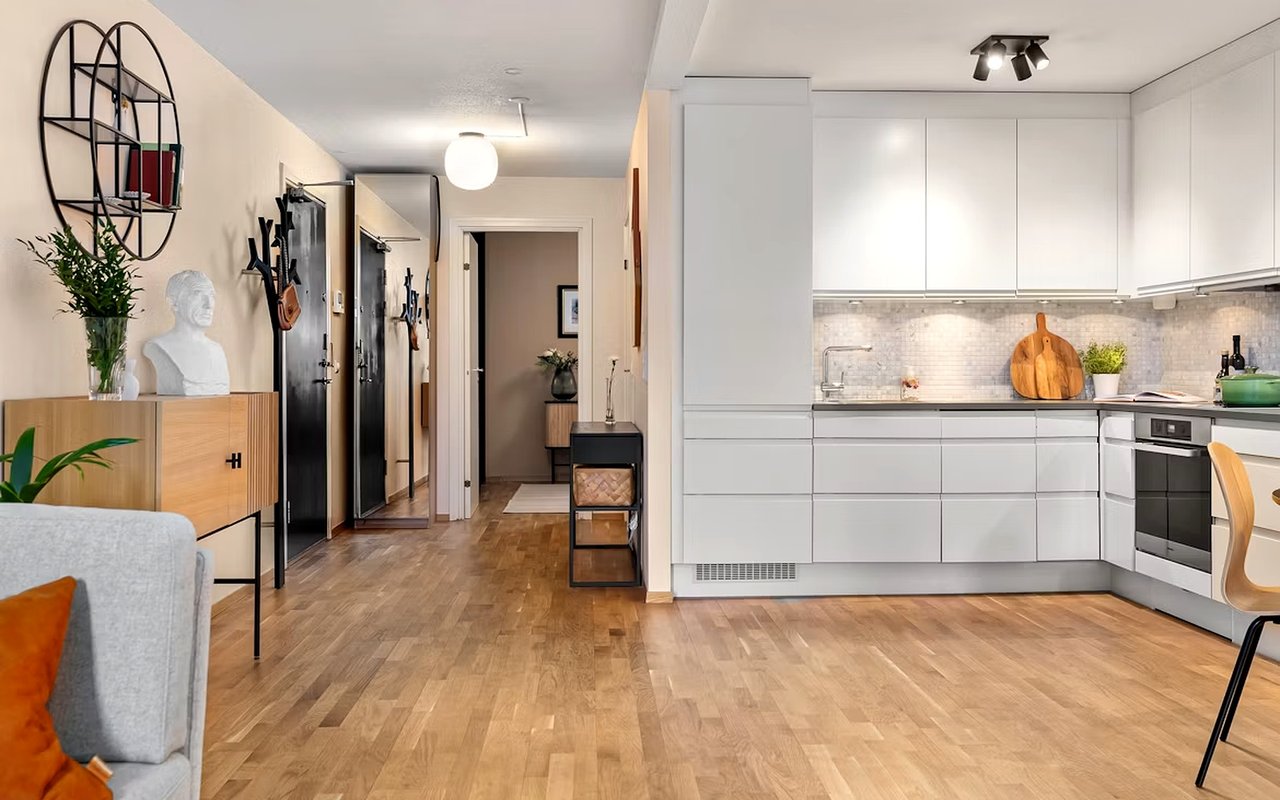
What to Know About a Home Inspection Before Buying in Woodside, California.
Scott Dancer | September 7, 2026
A Guide to the Architectural Styles in Woodside, California.
Scott Dancer | September 7, 2026
Questions to Ask Before Buying a Home in Woodside, California.