An Executive’s Guide To Living Well In Menlo Park
June 25, 2026
June 25, 2026
If you want a home base that supports a demanding schedule without giving up ease, charm, or polish, Menlo Park deserves a serious look. For many executives, the challenge is not just finding a beautiful home. It is finding a place where your commute, daily routine, and downtime all work together. In Menlo Park, you can enjoy a walkable downtown, distinct residential pockets, strong transit options, and a surprisingly complete lifestyle in one compact Peninsula setting. Let’s dive in.
Menlo Park sits between San Francisco and San Jose, with access from Highway 101 and the Dumbarton Bridge. The city describes itself as a compact Peninsula community of about 32,000 residents across 19 square miles, with around 265 sunny days each year. That combination helps explain why it works so well for people whose work and personal lives span multiple parts of the Bay Area.
There is also a certain level of intentionality here that stands out. Menlo Park is not simply convenient. It feels actively maintained and thoughtfully shaped, from its pedestrian-oriented downtown to its ongoing focus on public space and parking management. For an executive household, that can make everyday life feel smoother and more predictable.
One of Menlo Park’s biggest lifestyle advantages is its downtown. The city describes it as walkable, quaint, and tree-lined, with shops, eateries, outdoor dining through the Streetary program, and a public plaza planned for the 600 block of Santa Cruz Avenue. Rather than feeling oversized or hectic, the district stays scaled for daily use.
That matters if you want more than a nice place to visit on weekends. Downtown Menlo Park is set up to function as an everyday hub where you can grab coffee, meet for lunch, run errands, and go out in the evening without turning everything into a drive. The Caltrain station is one block away, which adds another level of convenience to the daily rhythm.
The dining mix also supports a polished routine. Downtown options include Left Bank, Bistro Vida, Clark’s Oyster Bar, Mademoiselle Colette, Philz Coffee, and Yeobo Darling, along with other cafés, breakfast spots, and bars. In practical terms, that gives you a strong range for casual meetings, quiet mornings, and easy dinners close to home.
Menlo Park is best understood as a collection of smaller residential pockets, not a one-note market. City materials reference areas such as West Menlo, Sharon Heights, South of Seminary-Vintage Oaks, and Belle Haven. Each contributes to the city’s overall appeal in a different way.
West Menlo and South of Seminary-Vintage Oaks are described largely as detached single-family residential areas. Sharon Heights is also primarily single-family, with some medium-density apartments and limited neighborhood commercial uses. For buyers who value a quieter setting, these areas help show how Menlo Park can feel calm and residential even while remaining close to downtown activity.
Belle Haven reflects a different pattern and adds an important civic dimension. In 2024, the city completed the Belle Haven Community Campus, a 37,000-square-foot multi-service facility that now includes the library, pool, youth center, senior center, and community center in one place. That kind of investment speaks to the city’s broader commitment to resident life.
For many executives, location only works if transportation works. Menlo Park is served by Caltrain, SamTrans, Dumbarton Express, and free city shuttles, according to the city’s transportation pages. That gives you multiple ways to move between home, nearby office areas, and the broader Peninsula.
Menlo Park station is in Caltrain Zone 3, and the line connects the city to San Francisco, the Peninsula, San Jose, and Gilroy. With electrified service and simplified patterns now in place on the corridor, rail is a realistic option for many households, not just an occasional backup plan. If you want the ability to leave the car behind for part of the week, this matters.
The local shuttle network adds another layer of usefulness. The free M1 Crosstown Shuttle runs between Belle Haven, downtown Menlo Park, Sharon Heights, and downtown Palo Alto. The M3 Marsh Road and M4 Willow Road shuttles connect Menlo Park Caltrain to the Marsh Road and Willow Road business parks during commute hours, which can make hybrid workdays easier to manage.
Some communities are strong on location but light on day-to-day quality of life. Menlo Park is more rounded than that. The city library system offers books, computers, high-speed internet, study space, early literacy programming, and cultural and educational events through both Menlo Park Library and Belle Haven Library.
The civic center adds to that convenience. The city describes it as a short walk from downtown and the Caltrain stop, with the main library, Burgess Park, and the Arrillaga Family Gym and pool clustered together. That setup gives residents practical amenities in a very accessible part of town.
If your schedule is full, proximity matters. Being able to fit a workout, library visit, or park stop into a normal weekday can change how livable a place feels over time. Menlo Park’s compact layout helps support that kind of routine.
Menlo Park also benefits from a few local institutions that give it more texture than its size might suggest. Kepler’s is known as an iconic independent bookstore and a nonprofit arts organization that hosts literary events. The Guild Theatre is a live music and event venue on El Camino Real, while Allied Arts Guild offers artist studios, shops, Café Wisteria, and event space in a historic garden setting.
These are not just occasional attractions. They help give Menlo Park a cultivated, local feel that goes beyond pure convenience. If you want a city that feels established and layered rather than purely functional, this part of the lifestyle story matters.
Executive life often works best when outdoor time is easy, not aspirational. Menlo Park offers that balance well. Bedwell Bayfront Park spans 160 acres and supports hiking, running, bicycling, bird watching, and dog walking, with a 2.3-mile perimeter trail that is part of the Bay Trail.
The city also highlights neighborhood parks such as Nealon, Sharon, Sharon Hills, Burgess Skate, Stanford Hills, and Tinker. Together, these spaces provide a mix of scenic and practical recreation options. Whether you want a longer weekend walk or a quick outdoor break close to home, there are multiple ways to build that into your week.
For many buyers, education access is part of the long-term decision, even if it is not the only factor. The city profile notes the presence of public and private schools and close proximity to Stanford University and Menlo College. That adds another layer of convenience and connection for households that value access to academic and cultural resources.
It also broadens Menlo Park’s appeal beyond a simple commuter narrative. The city can support professional goals while still offering a strong residential environment with civic, cultural, and educational anchors.
The best way to understand Menlo Park is as a place where the pieces fit together. You have a true walkable downtown, residential areas with distinct character, flexible commute options, and enough culture and outdoor access to make the city feel complete. For executives and founders, that balance can be hard to find.
Menlo Park does not need to be flashy to be compelling. Its appeal is more refined than that. It offers a polished, practical Peninsula lifestyle that supports both ambition and ease, which is exactly what many high-performing households are looking for.
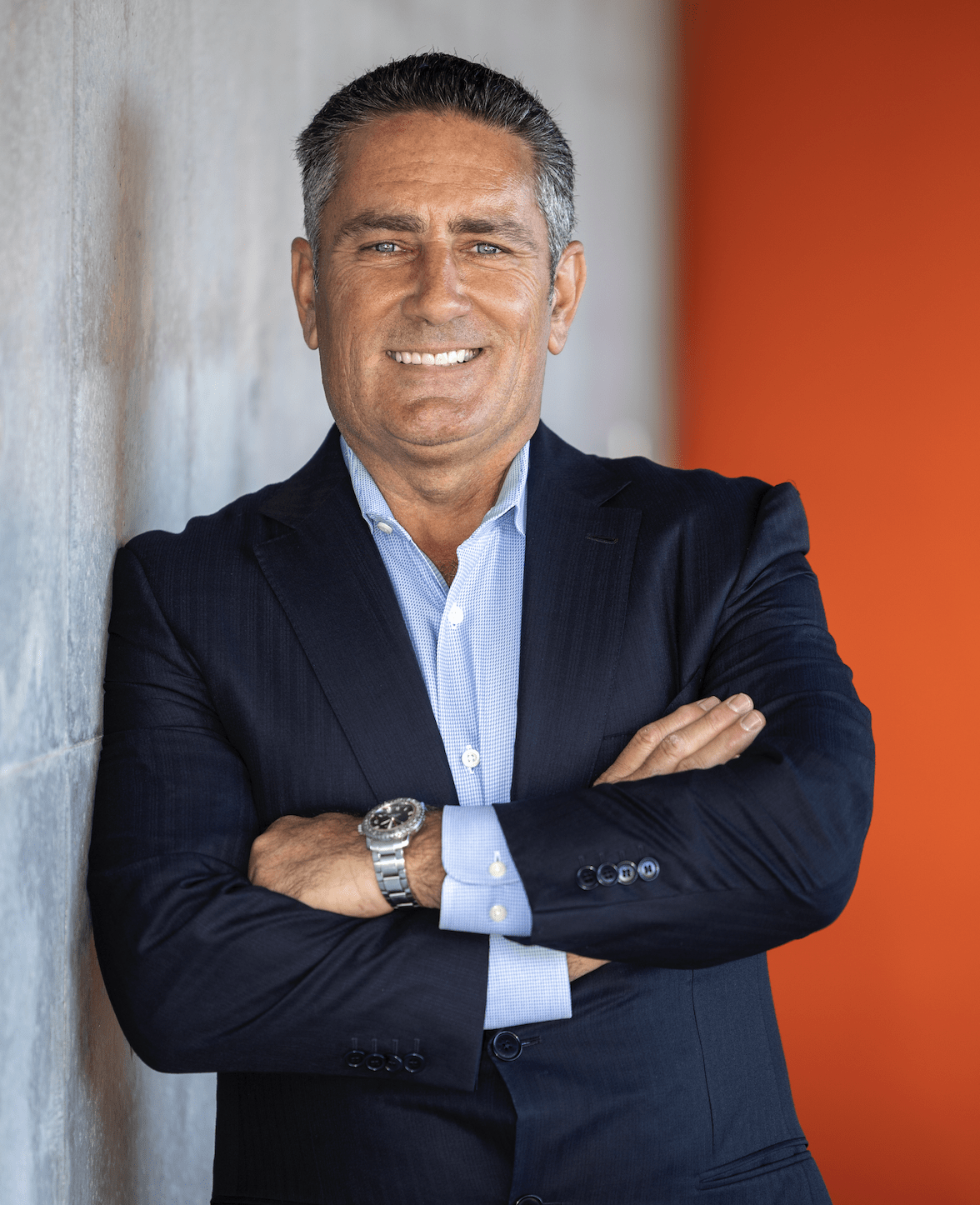
If you are considering a move to Menlo Park, working with an advisor who understands the city’s micro-markets, lifestyle tradeoffs, and luxury inventory can make the process far more efficient. For discreet guidance tailored to your goals, connect with Scott Dancer.
Primary phone
(650) 888-8199License Number
#00868362Address
2930 Woodside RdScott Dancer specializes in Woodside, Portola Valley, Atherton, and Menlo Park – since 1984. He sold more Woodside/Portola Valley homes than any other agent for the period of 2005 to 2021 and remains the top agent for the luxury segment of the Woodside and Portola Valley markets.
In 2012, his Woodside sale was the record-high value residential sale for the entire United States. From 2012 to 2021, Scott sold more Woodside/Portola Valley homes than any other agent or entire company and sold the highest priced home in both Woodside and Portola Valley in 2017. Scott provides his full attention and personal service to his clients, whether buyers or sellers.
Clients and agents alike get Scott’s personal full attention, not an assistant’s. Scott is a member of the National Association of Realtors, California Association of Realtors, Silicon Valley Association of Realtors, and has been a Woodside residential sales agent since 1984. Scott resides in Woodside with his wife of over 30 years and has two children.
Stay up to date on the latest real estate trends.
October 8, 2026
October 1, 2026
September 24, 2026
September 17, 2026
September 10, 2026
September 7, 2026
Getting Your Home Pricing Strategy Right From Day One in Woodside.
Scott Dancer | September 7, 2026
What to Know About a Home Inspection Before Buying in Woodside, California.
Scott Dancer | September 7, 2026
A Guide to the Architectural Styles in Woodside, California.
Scott Dancer | September 7, 2026
Questions to Ask Before Buying a Home in Woodside, California.