Selling An Atherton Estate: The Pre-Listing Frictions Portals Never Show
August 6, 2026
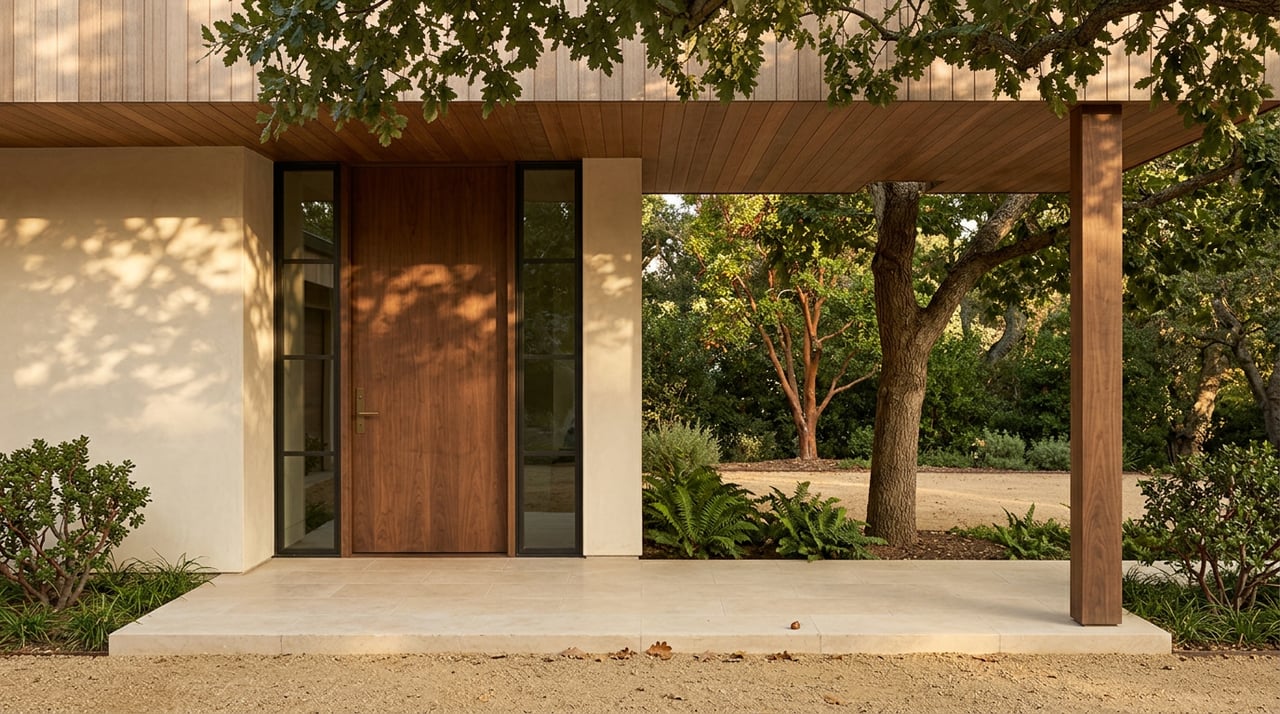
August 6, 2026
The price you list at is not what decides whether an Atherton estate closes cleanly. In a town where a significant share of buyers write cash and offers routinely land above $20 million, the final print is almost always shaped by three quiet compliance layers that surface after contract, not before.
Sellers who prepare those layers in advance keep pricing leverage through inspection. Sellers who do not tend to lose it at the same table where they hoped to defend it.
Once a buyer's team is on-site with an arborist, a permit-history pull, and an insurance broker on standby, the transaction stops being about the house on the tour and starts being about the paper trail behind it. On any Atherton property of scale, three specific frictions do most of the work:
Each has moved meaningfully in 2026. Each is now something a seller can lose money on for reasons that have nothing to do with the home itself.
Atherton's Heritage Tree Ordinance is not a soft preservation policy. It is one of the most concretely enforced tree codes in the Bay Area, and its scope is broader than most owners realize. Chapter 8.10 protects all native oaks regardless of location or size, heritage trees in setback areas exceeding 48 inches in circumference, and any tree individually designated by the Town; non-oak trees within your main buildable area can generally be removed without a permit, but native oaks require a permit even in the buildable area.
For sellers, the exposure sits in two places. First, prior work. Grading, trenching, irrigation changes, or "cleanup" pruning that happened years ago inside a Tree Protection Zone can still be flagged. Irreparable damage under the ordinance includes cutting, topping, girdling, poisoning, trenching or excavating within the TPZ, altering the grade, paving in excess of fifty percent of the dripline, excessive watering of oak trees, and excessive pruning. Second, the financial mechanics of a violation. Non-oaks ≥48 inch circumference in setbacks trigger a Planning Commission hearing, a $750 fee, and a 50 percent appraised-value penalty on a 6 to 10 week timeline.
A buyer's arborist will pull the Town Arborist's records as part of due diligence. On estate-scale parcels, the appraised value of a mature coast live oak can run well into six figures, so a "small" enforcement item during escrow can eclipse a routine inspection credit by an order of magnitude. The town arborist does not consult on private property, per the Town of Atherton, so pre-listing an ISA-certified private arborist walk is the only way to see the report your buyer will see.
Atherton publishes permit records through a public portal. Anyone with a browser, including the buyer's attorney, can look up your address on eTRAKiT and compare permitted work against what the tour actually shows.
Estate homes in Atherton have often been improved over decades. Guest houses converted from cabanas, kitchens reconfigured during a caretaker era, wine rooms carved out below grade, tennis courts resurfaced with drainage changes. Any of these that lacks a matching permit becomes a negotiation instrument the moment it is discovered. Buyers do not typically demand strict permitting for every square inch, but they do use the gap between the eTRAKiT record and the as-built to shift risk and price. On a $15 million to $30 million transaction, a discovered unpermitted addition is rarely settled for the actual cost of retroactive permitting. It is settled for whatever the buyer's counsel argues the risk is worth.
The seller move is to run the permit history before the listing photos are taken, reconcile it against the current floor plan, and decide, deliberately, which items to legalize, which to disclose in narrative form, and which to price into the ask. That decision is a very different conversation with a buyer than the same one held during a 17-day inspection window.
The single biggest change to Atherton closings in the last twelve months has nothing to do with tech valuations. It has to do with insurance.
The California Department of Insurance approved a 29.1 percent average rate increase for the FAIR Plan statewide, effective October 15, 2026. That is a statewide average, and Atherton is not evenly exposed. Atherton is designated a High fire risk zone by CAL FIRE, with San Mateo County fire maps confirming elevated exposure driven by heritage oaks and redwood fuel loads and dry-season wind patterns. Properties on the town's western edge, closer to the Woodside foothills, carry the heaviest exposure.
The lender-side mechanics matter to sellers because they now determine whether escrow can close at all. A FAIR Plan policy alone usually will not satisfy your lender; because it is fire-only, most lenders require a DIC wrap to cover liability, water, theft, and loss of use, and without coverage at closing or renewal the lender can force-place a policy that is costlier and protects only the lender. The wrap is not a rounding error. A DIC wrap typically adds 25 to 60 percent on top of the FAIR Plan premium.
The state has given sellers two levers worth pulling before a listing goes live:
Practically, this means asking your broker for a bindable indication before listing. If the property cannot be insured cleanly by an admitted carrier, the seller either fixes that in advance through hardening work coordinated with the Menlo Park Fire Protection District or prices the friction into the deal. Discovering it during the buyer's loan contingency is the expensive version.
Sellers who still time an Atherton listing to the traditional spring market are optimizing for the wrong signal. The town's buyer base moves on liquidity, not landscaping. When major Peninsula employers hit large vesting events or an IPO clears, the ultra-prime tier of the market absorbs inventory quickly. In slower liquidity windows, the same home sits.
The depth of the top of the market has genuinely changed. MLS analysis of the top 25 single-family sales in Atherton each year shows that in 2016 most closings sat between $10 million and $20 million with only one crossing $30 million; by 2025 eleven of the top 25 sold between $20 million and $30 million and five crossed $30 million; and through the first half of 2026 four homes had already sold above $30 million. That is not a price story. It is a depth-of-pool story, and it argues for listing when that pool is liquid, not when the wisteria blooms.
For an estate seller working three to six months out from a target list date, the compliance layers respond well to sequencing:
None of this shows up in a portal snapshot. All of it shows up at the closing table.
Do I need to disclose past tree work that was done without a permit? California disclosure law requires known material facts affecting value to be disclosed. Prior work inside a TPZ that could be construed as damaging a heritage tree is a material fact in Atherton. The prudent posture is to inventory it, get an arborist's current condition report, and disclose in writing rather than let a buyer's arborist surface it during contingencies.
Is the FAIR Plan a viable long-term solution if my property cannot get admitted coverage? It is a bridge, not a destination. The FAIR Plan was built as a last resort, not a long-term insurance market, providing basic fire coverage to homeowners who cannot find policies through private carriers. Documented Safer from Wildfires mitigation is the mechanism that moves a property back toward admitted coverage.
How much does the Architectural Review Board actually slow a pre-listing improvement? For work that touches the exterior envelope or footprint, plan on the ARB in addition to plan check. Most Atherton ADUs see one to three rounds of ARB review, adding 3 to 9 months from initial submission to approval. That timeline determines whether an improvement pencils out before listing or is better left to the buyer.
If you are planning a sale in Atherton, Woodside, Portola Valley, or Menlo Park, the compliance layers above are the work that quietly protects your number. Scott Dancer has represented estate-scale Peninsula properties since 1984 and would welcome a private conversation about how to prepare yours. Let's Connect.

Primary phone
(650) 888-8199License Number
#00868362Address
2930 Woodside Rd,Scott Dancer specializes in Woodside, Portola Valley, Atherton, and Menlo Park – since 1984. He sold more Woodside/Portola Valley homes than any other agent for the period of 2005 to 2021 and remains the top agent for the luxury segment of the Woodside and Portola Valley markets.
In 2012, his Woodside sale was the record-high value residential sale for the entire United States. From 2012 to 2021, Scott sold more Woodside/Portola Valley homes than any other agent or entire company and sold the highest priced home in both Woodside and Portola Valley in 2017. Scott provides his full attention and personal service to his clients, whether buyers or sellers.
Clients and agents alike get Scott’s personal full attention, not an assistant’s. Scott is a member of the National Association of Realtors, California Association of Realtors, Silicon Valley Association of Realtors, and has been a Woodside residential sales agent since 1984. Scott resides in Woodside with his wife of over 30 years and has two children.
Stay up to date on the latest real estate trends.
September 17, 2026
September 10, 2026
September 7, 2026
Getting Your Home Pricing Strategy Right From Day One in Woodside.
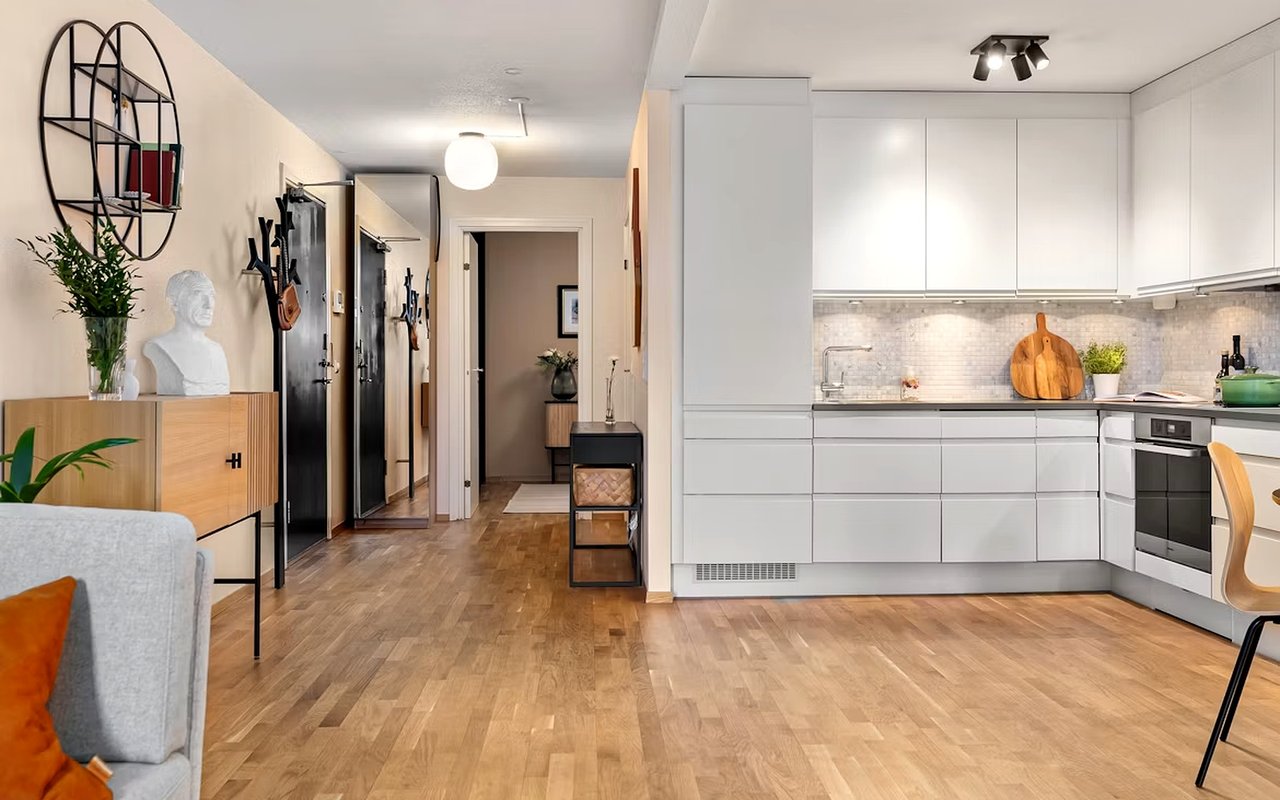
Scott Dancer | September 7, 2026
What to Know About a Home Inspection Before Buying in Woodside, California.
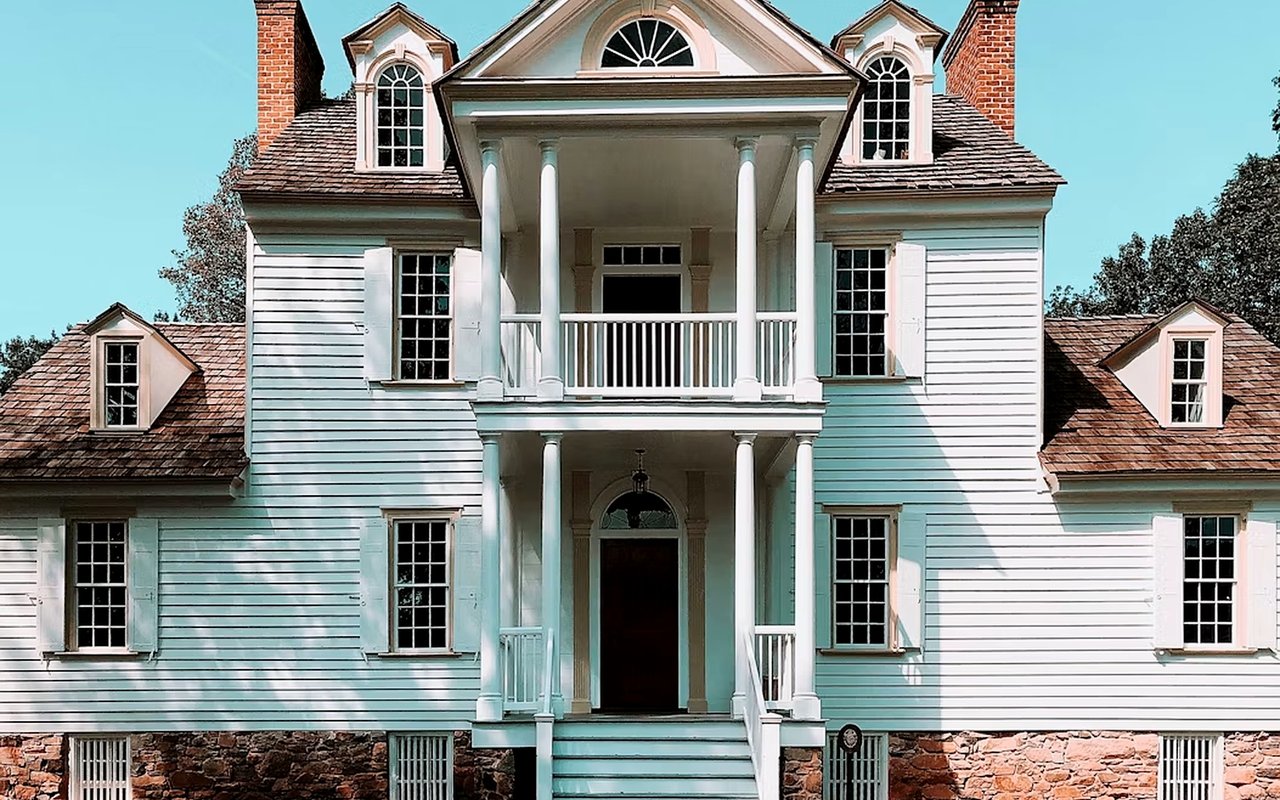
Scott Dancer | September 7, 2026
A Guide to the Architectural Styles in Woodside, California.
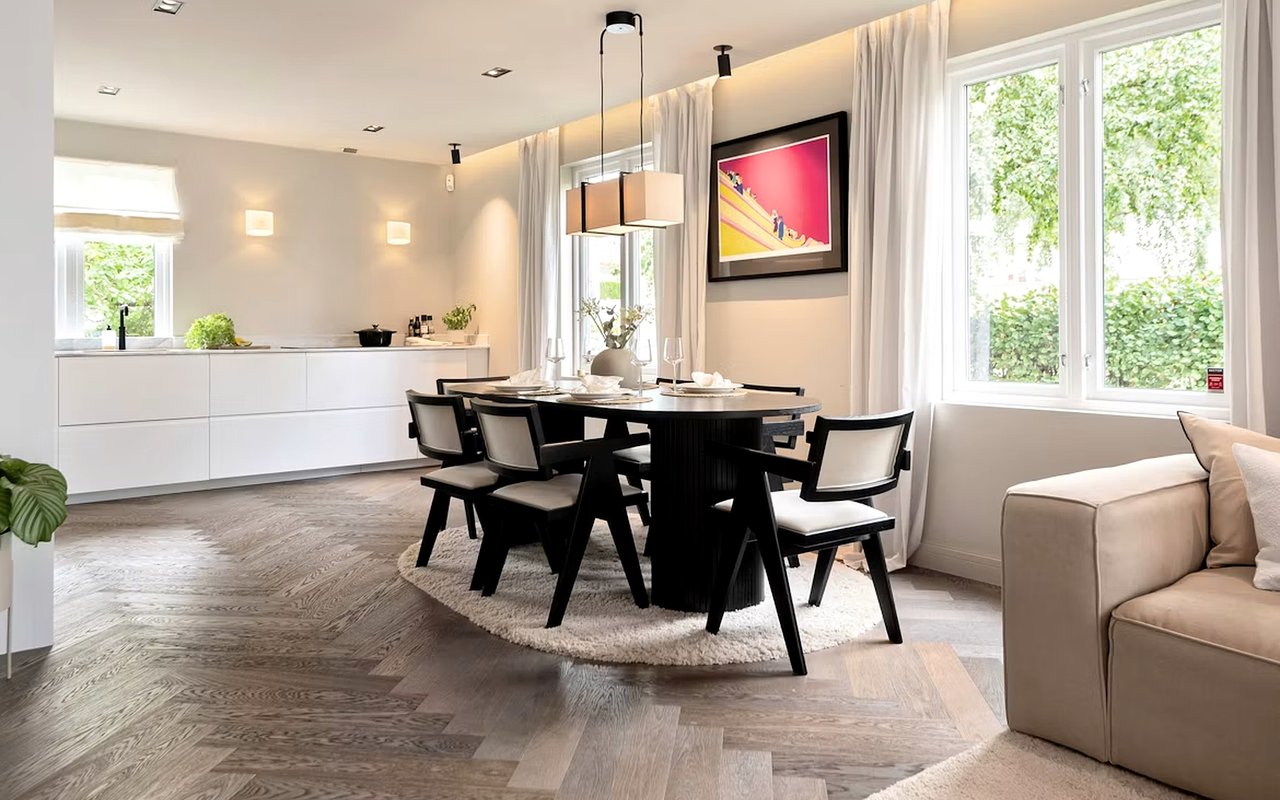
Scott Dancer | September 7, 2026
Questions to Ask Before Buying a Home in Woodside, California.
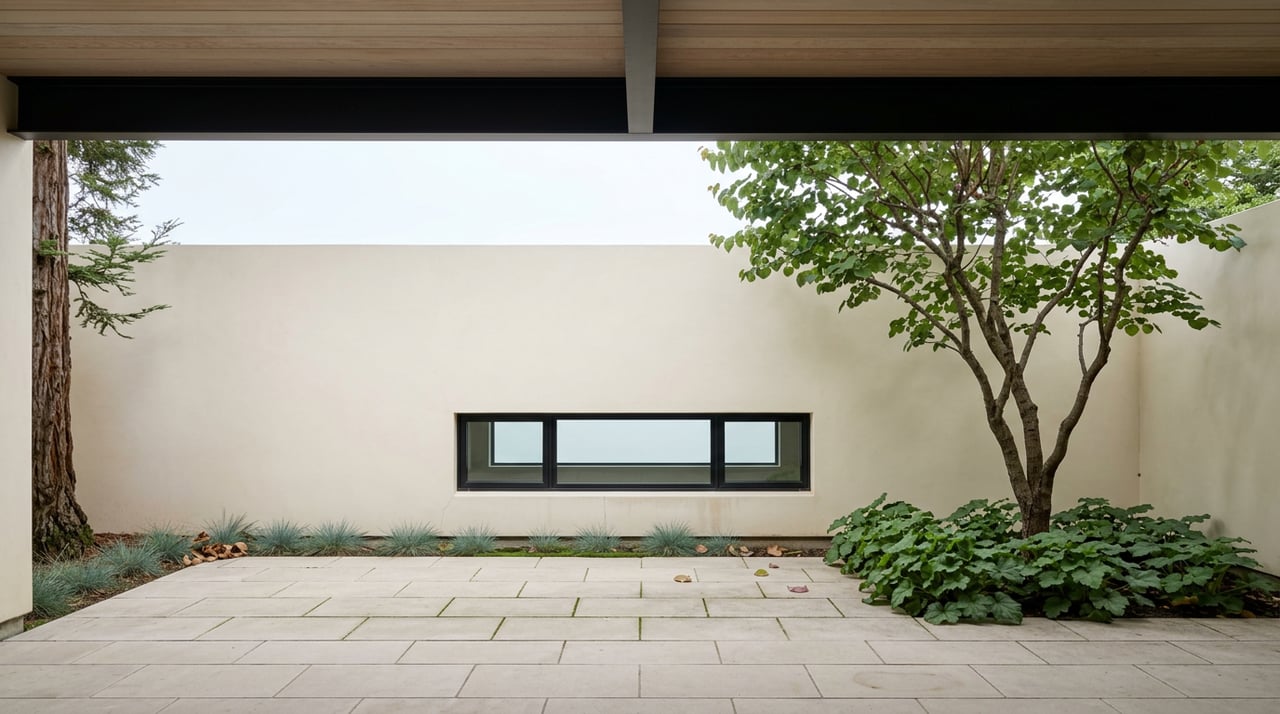
September 3, 2026
August 27, 2026

Scott Dancer | August 24, 2026
The Redwoods, Trails, and Town Character That Show What Makes Woodside So Special.