Woodside, California, is known today for its large properties, strong equestrian presence, and distinctive local character. While many associate the area with its current residential landscape, the history of Woodside, CA, is long and layered, shaped by early settlement, agricultural development, and a steady commitment to preserving open land. This background continues to influence Woodside, CA, real estate and the lifestyle the town offers. Understanding how the community evolved provides helpful context for anyone interested in living in or learning more about the region.
Early Roots of the Woodside Area
Before European settlement, the region that is now Woodside was home to Indigenous communities who lived throughout the San Francisco Peninsula. The land supported hunting, gathering, and seasonal movement across the area’s valleys and foothills. Although the written record from this period is limited, archaeological findings confirm the long-standing human presence in the region.
During the Spanish and Mexican periods, large land grants shaped development across the Peninsula. Much of what would later become Woodside was part of Rancho Cañada de Raymundo, a grant established in the mid-1800s. The landscape, with its mix of grassland and forest, supported ranching and early agriculture. These land-use patterns set the foundation for the rural environment that Woodside values to this day.
The Growth of Logging and Early Industry
One of the most significant chapters in the history of Woodside, CA, began with the rise of the logging industry. In the 19th century, stands of redwoods in the surrounding hills became a central source of timber for the growing city of San Francisco. Sawmills were built throughout the region, supplying lumber for homes, businesses, and infrastructure.
Logging activity brought workers, roads, and early settlements to the area. While much of the old-growth forest was eventually depleted, the industry played a major role in bringing new residents and economic activity. By the late 1800s, roads through the foothills—some of which form today’s routes—were used to transport lumber and goods to nearby towns.
After the decline of large-scale logging, the land began transitioning once again. Ranching, small farms, and orchards grew in prominence. These activities introduced a broader set of landowners and created the foundation for future residential development.
Woodside’s Development as a Residential Community
By the early 20th century, Woodside began shifting from an agricultural area to a residential community. The region attracted residents who sought large parcels of land, quiet surroundings, and proximity to the Peninsula’s growing urban centers. The terrain, climate, and open space made the area appealing for estates, country homes, and equestrian properties.
The town continued to grow through the mid-20th century as transportation improved. The construction and expansion of major roadways—such as Interstate 280—made Woodside more accessible while still preserving its rural atmosphere. Residents valued this balance: close enough to employment centers, yet distinctly separate in character.
When the town was formally incorporated in 1956, local leaders emphasized preserving the community’s open land, natural terrain, and equestrian traditions. Zoning rules were designed to maintain low-density development and support long-term planning principles that protected the area’s unique identity.
Equestrian Culture and Its Lasting Influence
Equestrian activity is deeply embedded in Woodside’s history. Early ranchers and farmers relied on horses for transportation and work. Over time, this practical use evolved into a major part of community identity.
The development of riding trails, barns, and equestrian amenities became part of both public planning and private property design. Today, the trail system is extensive, connecting neighborhoods and offering riders access to parks and open spaces. The town’s equestrian culture also shaped local events, community groups, and long-term planning priorities.
This tradition continues to draw homebuyers who value a lifestyle centered around horses and open land. Many properties in Woodside are designed specifically to support equestrian use, contributing to the distinct character of the local real estate market.
Preservation Efforts and Open-Space Commitment
A key theme in the history of Woodside, CA, is the community’s dedication to preserving open space. As the region surrounding Woodside developed rapidly during the late 20th and early 21st centuries, residents placed high importance on protecting natural areas, trails, and scenic views.
Organizations and local government initiatives have worked to maintain large areas of land as public preserves or private conservation parcels. These efforts help ensure that the community retains its rural qualities even as the broader Peninsula continues to grow.
This long-standing commitment to preservation has played a major role in shaping the feel of Woodside today. Large properties, quiet roads, and access to nature are all direct results of decades of planning focused on thoughtful, balanced land use. These characteristics continue to define Woodside, CA, real estate and draw interest from those seeking long-term residential stability.
Woodside Today: A Community Shaped by Its Past
Modern Woodside is a reflection of its layered history. The town maintains a rural identity with a strong focus on open land and natural surroundings. At the same time, it offers convenient access to Silicon Valley, major roadways, and nearby Peninsula communities.
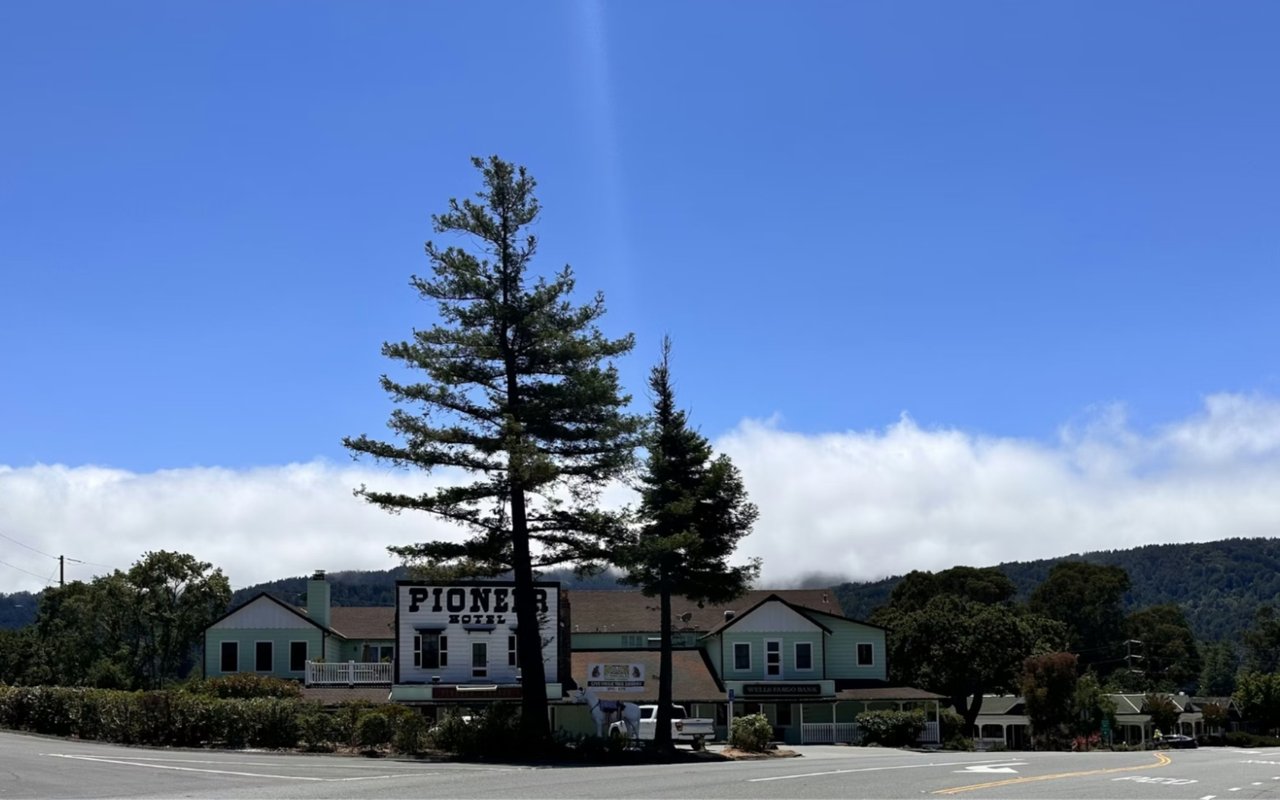
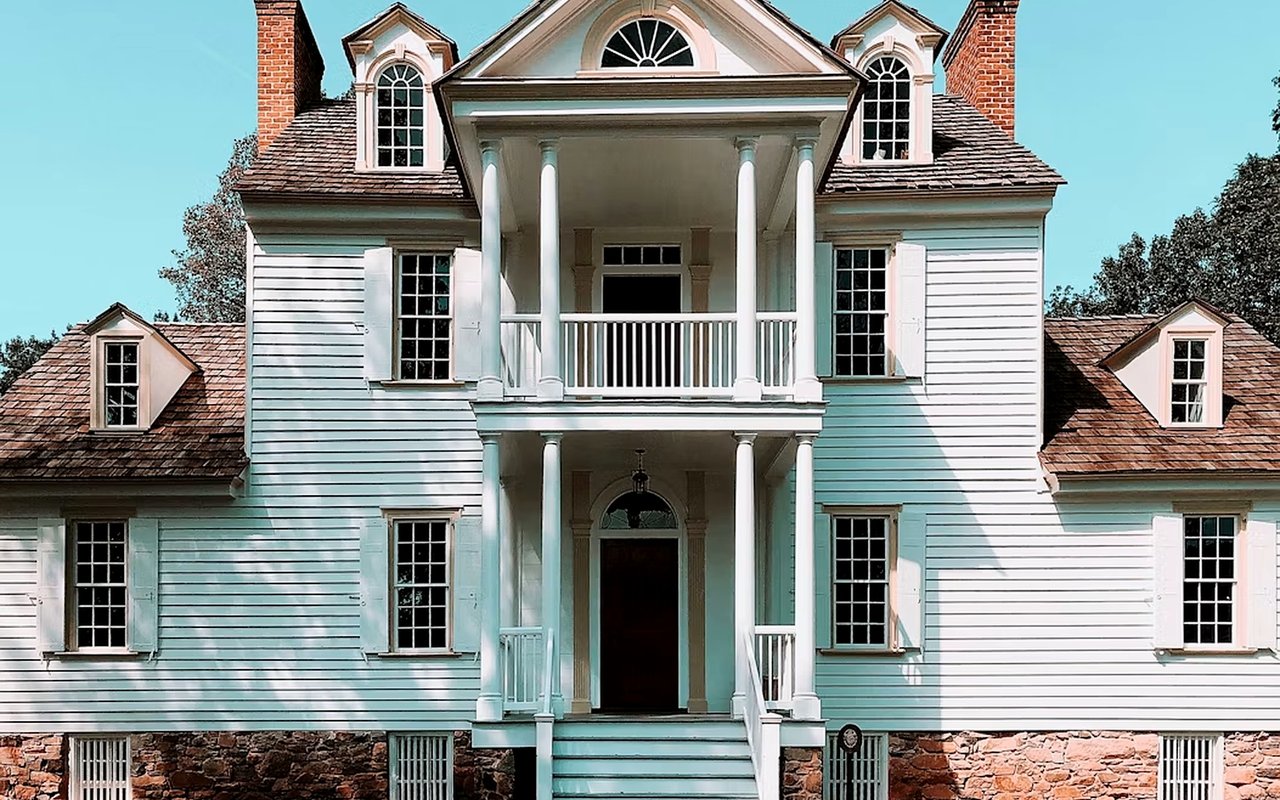
Remnants of the past remain visible throughout the town. Historic buildings, long-established trails, and preserved open spaces illustrate the town’s progression from early settlement to a modern residential community. This mix of heritage and present-day amenities has created a distinctive local character.
For those exploring Woodside, CA real estate, understanding this historical background provides insight into why the community feels the way it does. The emphasis on land preservation, equestrian activity, and low-density development did not occur by chance; these choices were made over many decades by residents committed to maintaining Woodside’s identity.
About Scott Dancer
For decades, Scott Dancer has focused his work on residential markets in Woodside, Portola Valley, Atherton, and Menlo Park. His experience dates back to 1984, giving him deep familiarity with the area’s long-term development and market changes. Between 2005 and 2021, he closed more transactions in Woodside and Portola Valley than any other agent and continues to lead the region’s high-end segment.
Clients who work with Scott receive his direct involvement throughout the process. He manages each relationship personally, offering focused guidance to both buyers and sellers without delegating communication to support staff. His long-standing memberships in the National Association of Realtors, California Association of Realtors, and Silicon Valley Association of Realtors reflect his ongoing commitment to professional standards.
Ready to explore
real estate in Woodside, CA? Contact
Scott Dancer today to begin the search for your dream home.